Volgograd
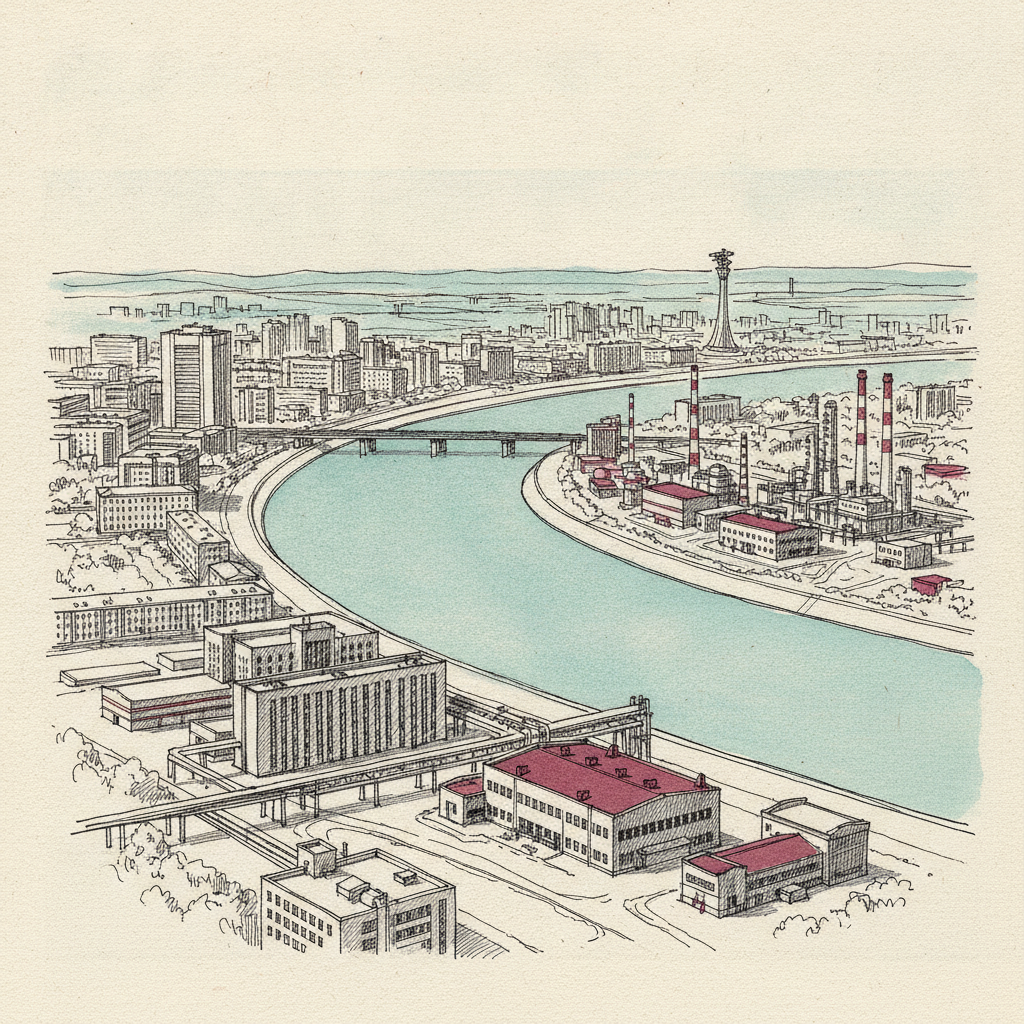
Volga city in southern Russia, formerly Stalingrad, home to Lukoil's Volgograd refinery.
Ukraine's General Staff said its drones hit Lukoil's Volgograd refinery overnight on 1-2 October 2026, days before Kyiv claimed its strikes had disabled 51% of Russian oil refining capacity.
Last refreshed: 12 October 2026 · Appears in 1 active topic
Why does Ukraine keep targeting Lukoil's Volgograd refinery?
Timeline for Volgograd
Hosted the struck Lukoil refinery
Russia-Ukraine War 2026: Ukraine strikes Yandex AI data centresBackground
Volgograd is a city on the Volga in southern Russia and home to Lukoil's Volgograd refinery, one of the country's largest. Ukraine's General Staff said its drones hit the refinery overnight on 1-2 October 2026, alongside an oil-pumping complex in Samara region.
The city was known as Stalingrad until 1961, and the battle fought there in 1942-43 remains central to Russian memory of The Second World War. It is the capital of Volgograd Oblast.
Its refinery makes Volgograd a target in Ukraine's campaign against Russian fuel production. Kyiv claims that campaign has disabled about half of Russia's refining capacity, which the Associated Press could not verify.
Drones struck Volgograd's refinery
Volgograd's refinery was hit at the start of Ukraine's October strike run. The Ukrainian General Staff said its drones struck the Lukoil plant overnight on 1-2 October 2026, alongside an oil-pumping complex in Samara region.
Two days after the Volgograd strike, Kyiv put the campaign's toll at 51% of Russian oil refining; the Associated Press could not check it. Within days drones also reached refineries at Omsk and Ukhta. Vladimir Putin had told the Valdai Discussion Club on 1 October that the refinery campaign had partially damaged Russia's economy, so the Volgograd strike hit a plant inside a campaign the Kremlin admits is costing it.
Was the Volgograd refinery hit in October 2026?
Who owns the Volgograd refinery?
How much Russian refining has Ukraine disabled?





