Unusual Machines
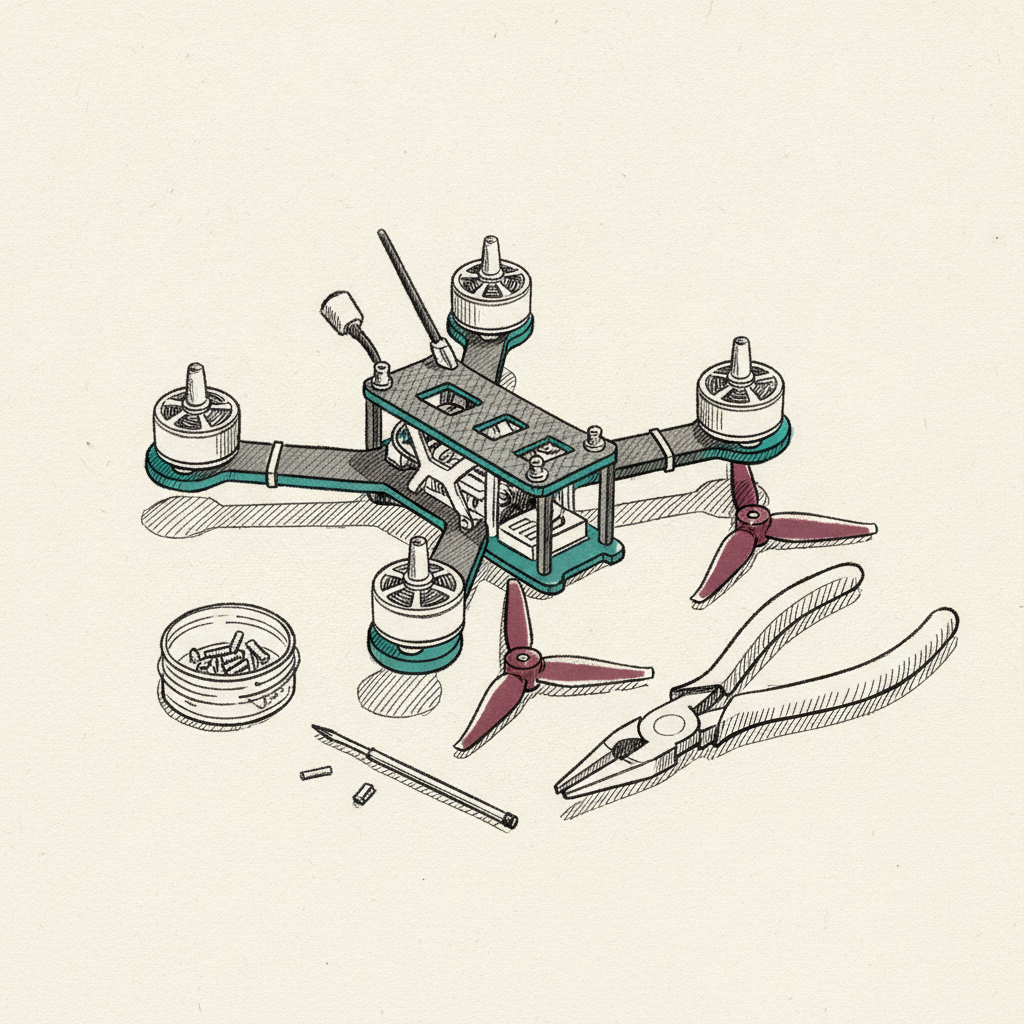
Orlando maker of drone motors and components, listed on the NYSE as UMAC.
Unusual Machines reported $16.7m of second-quarter revenue on 6 August, up 687 per cent on a year earlier, then replaced its regional auditor with Ernst & Young on 12 August.
Last refreshed: 1 October 2026 · Appears in 1 active topic
Timeline for Unusual Machines
Mentioned in: Hegseth plans a four-star drone command
Drones: Industry & DefenceMentioned in: Ondas buys Cyberhawk for $118.2m cash
Drones: Industry & DefenceReported 687% revenue growth and switched to Ernst & Young
Drones: Industry & Defence: Unusual Machines revenue up 687%, auditor sackedBackground
Unusual Machines, based in Orlando, Florida, makes drone motors, headsets, cameras and other components, and trades on the New York Stock Exchange as UMAC. It sells through its Fat Shark, Rotor Riot and Rotor Lab businesses, and to defence customers that need parts certified under the National Defense Authorization Act or cleared for the Pentagon's Blue UAS list.
Teal Drones, a subsidiary of Red Cat Holdings, buys motor components from Unusual Machines under a related-party arrangement, because Red Cat's chief executive sits on the Unusual Machines board. The two companies share a supply relationship but not an owner, according to the Unusual Machines quarterly filing of 6 August 2026.
Certification under the National Defense Authorization Act carries the commercial case. Defence buyers can only use parts that clear those US rules, and the company's switch to Ernst & Young in August 2026 gave its accounts the audit standard those buyers look for.
Second-quarter sales rose 687 per cent
On 6 August Unusual Machines reported second-quarter revenue of $16.7m, up 687 per cent on a year earlier and 106 per cent on the previous quarter. Gross margin recovered to 34.7 per cent, and headcount climbed from 81 at the end of 2025 to 141 in the first quarter and 240 by the close of the second.
Six days later the Orlando company dismissed its small regional auditor and engaged Ernst & Young, with no disagreements recorded. Federal contracting officers and institutional investors look for an audit of that standing before they place large orders. Chief executive Allan Evans has called the third quarter a deliberate pause to build capacity, so the second-quarter growth rate is not a trend line.
How much revenue did Unusual Machines report in Q2 2026?
Why did Unusual Machines switch to Ernst & Young?
Does Unusual Machines own Teal Drones?
What does Unusual Machines make?
Why did Unusual Machines shares rise in late September 2026?






