Tarif CD
Hydro-Québec's proposed electricity tariff for data centres of 5 MW or more.
Tarif CD would make Quebec data centres pay for grid capacity they reserve but do not use. Quebec's energy regulator heard it from 1 to 9 October 2026 and sits again in December.
Last refreshed: 18 October 2026 · Appears in 1 active topic
Should data centres pay for grid capacity they reserve but never use?
Timeline for Tarif CD
Set the rates and under-use premium under review
Data Centres: Boom and Backlash: Quebec data centres face under-use feeBackground
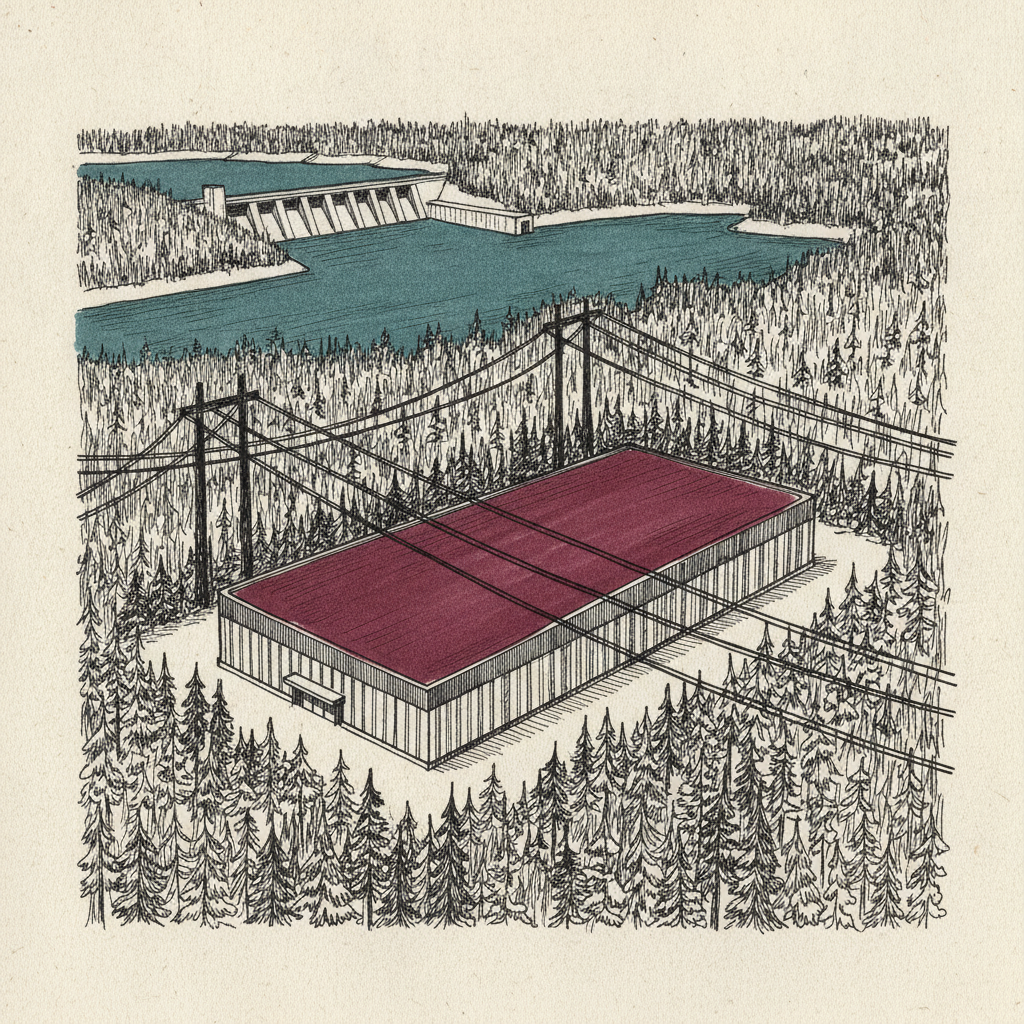
Tarif CD is the electricity rate Hydro-Québec has proposed for data centres that commit to at least 5 MW. Hydro-Québec Distribution filed it with the Régie de l'énergie on 19 February 2026, in docket R-4333-2026, alongside an adjustment to its rate for Cryptocurrency mining. The regulator held hearings from 1 to 9 October 2026 and has set further sessions for 7 to 11 and 15 to 18 December. No decision on the merits had been published by mid-October.
The draft has four charges. Demand costs C$32.70 a kilowatt each month, and energy costs 8.71 cents a kilowatt-hour. Power drawn above 110% of the agreed ramp-up carries a 17.42-cent surcharge. A site whose peak demand stays below 60% of its contracted forecast for 12 months owes a premium of C$92.28 a kilowatt on the gap.
That under-use premium is the new idea: it bills a data centre for capacity it holds back from other customers. On 7 October a joint intervener for large industrial consumers filed its own wording for one article of the tariff. Ontario is taking a related line, proposing that data centres above 1 MW pay the full cost of their electricity with no cash incentives.
Reference
What is Hydro-Québec's Tarif CD?
When will the Régie de l'énergie decide on Hydro-Québec's data-centre tariff?
Why would Quebec data centres pay a fee for unused power?
How much would data centres pay under Hydro-Québec's proposed rate?




Written with AI from Lowdown's published reporting. Not individually reviewed by an editor. Updated 18 October 2026. Editorial standards.