Tahoma 31
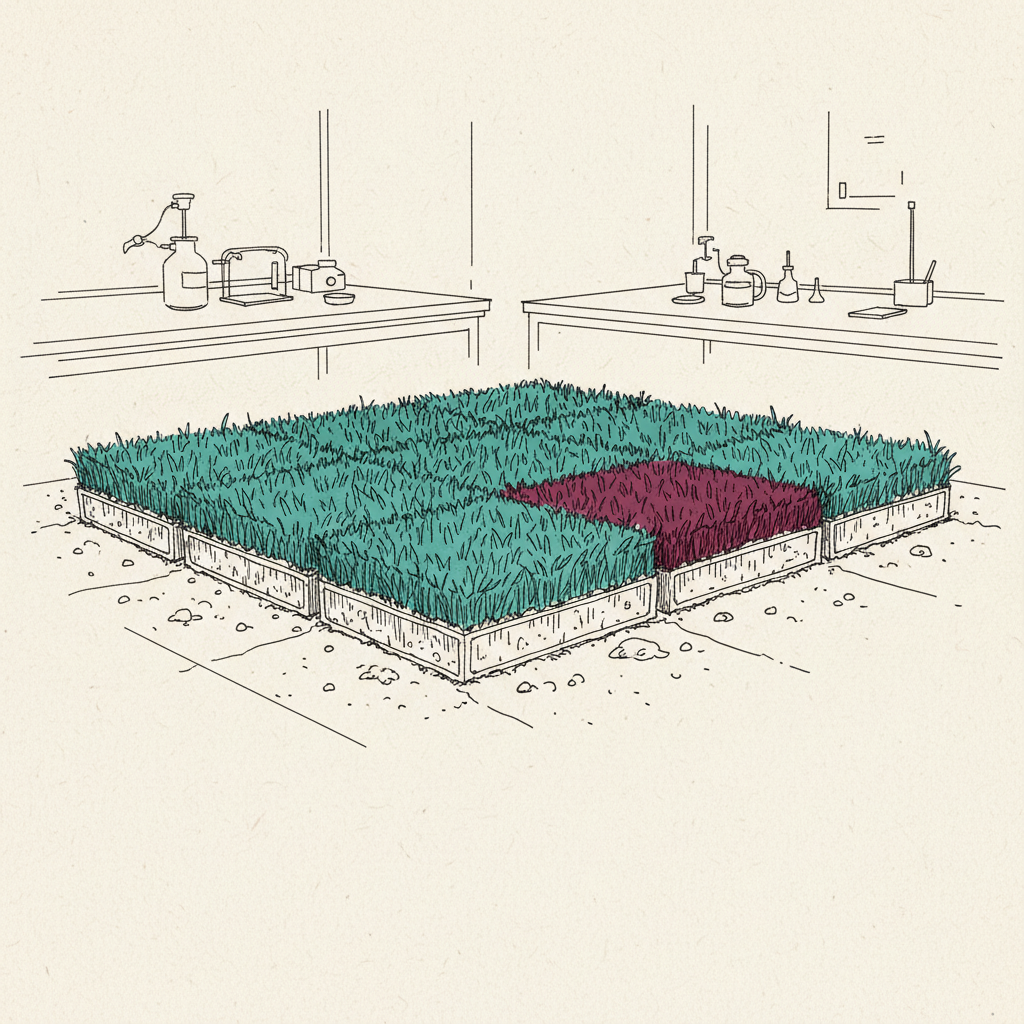
Tahoma 31 is a proprietary bermudagrass cultivar bred for wear tolerance and cold hardiness, selected for the 2026 World Cup final pitch at MetLife Stadium.
Last refreshed: 11 May 2026 · Appears in 1 active topic
Why did FIFA choose an Oklahoma State grass cultivar for the World Cup final pitch?
Timeline for Tahoma 31
Mentioned in: Banorte still has no FIFA clearance yet
2026 FIFA World CupMentioned in: MetLife lays its pitch eight days out
2026 FIFA World CupSourced from Carolina and laid at MetLife from 6 May to replace the failed NJ supply
2026 FIFA World Cup: MetLife races a clock on borrowed turfDelivered to MetLife from North Carolina after New Jersey supplier lost to winter conditions
2026 FIFA World Cup: MetLife stitching machine arrives; Tahoma 31 ships from CarolinaMetLife Stadium lays 600 rolls of bermudagrass
2026 FIFA World CupBackground
Tahoma 31 is a proprietary bermudagrass cultivar bred at Oklahoma State University and licensed commercially, selected as the turf for MetLife Stadium's 2026 World Cup playing surface including the final. Its key attributes are exceptional wear tolerance and cold hardiness compared to standard bermudagrass varieties, making it unusually suitable for a stadium that hosts November NFL games in New Jersey. 600 rolls were grown over ten months at Carolina Green Turf Farm outside Charlotte and installed at MetLife from 6 May 2026 in 20 truckloads.
Bermudagrass cultivars have become the standard for high-specification sports venues because of their dense, low-growing habit and rapid recovery from wear. Tahoma 31 was first released in 2018 and quickly gained adoption at elite venues. Its cold hardiness extends the viable playing season in climates like the US north-east, though it still requires management in marginal temperatures.
What is Tahoma 31 grass and why was it chosen for the World Cup?
What grass is being used for the 2026 World Cup final at MetLife?
Why was Tahoma 31 chosen for the World Cup?
When was Tahoma 31 grass developed?


