Key Question
Why does Rajai Shahr Prison remain the reference point for Iran's wartime political detention in 2026?
Timeline for Rajai
#99 15 May
Mentioned in: Reza Soleimani executed at Qom Central
Iran Conflict 2026#82 27 Apr
Mentioned in: Yazd execution; three Ali Fahim defendants in solitary
Iran Conflict 2026Background
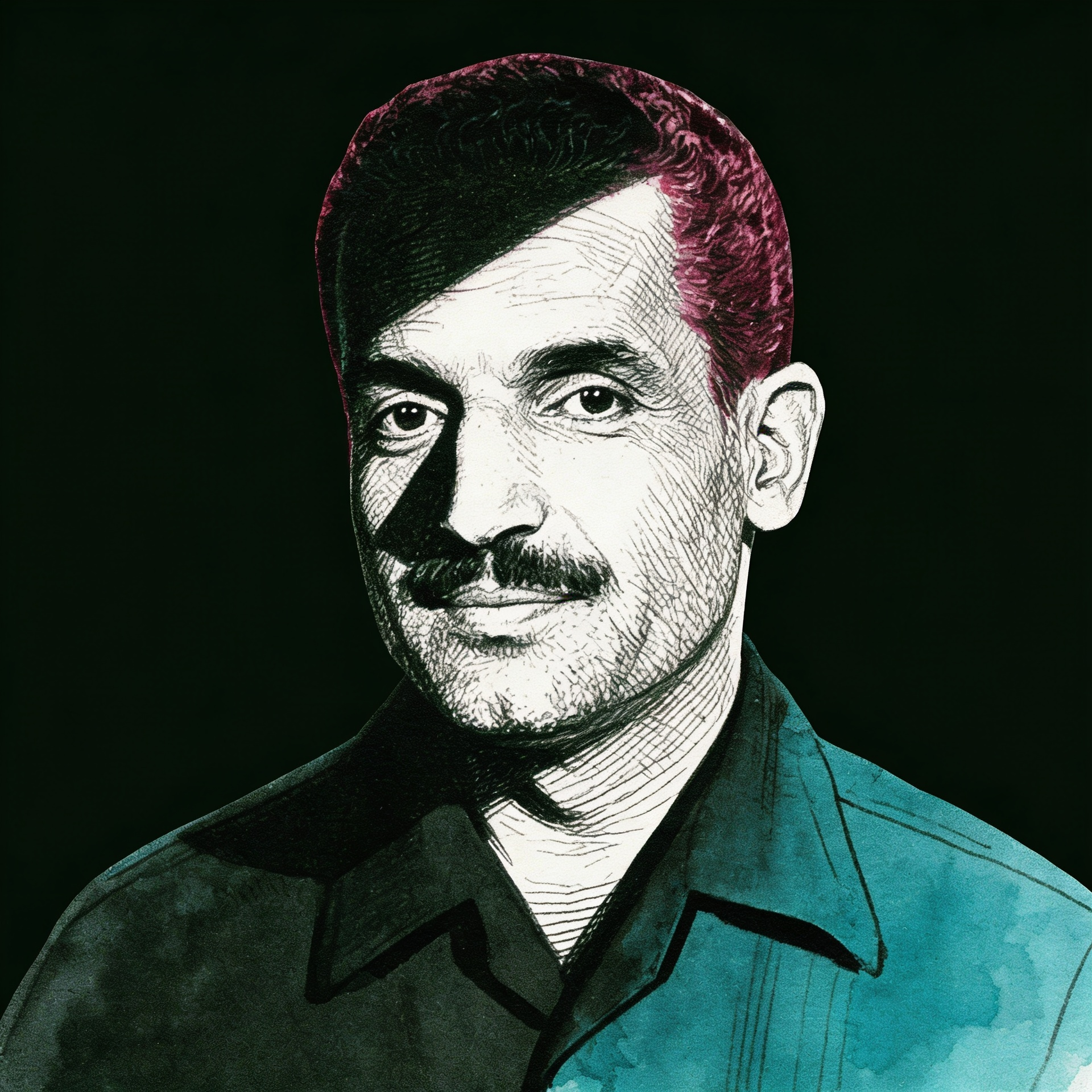
Mohammad Ali Rajai was the second President of the Islamic Republic of Iran, assassinated on 30 August 1981 — forty days into his term — in a bombing attributed to the MEK. Rajai Shahr Prison in Karaj is named after him.
Rajai Shahr Prison is a recurring reference in the wartime political execution context: detainees from the 2019 protests, including Mohammad Rajabi and Saeed Tamjidi (executed December 2020 – January 2021 after over a year held there), are cited as historical parallels for the current wartime cadence at Ghezel Hesar and Yazd.
Common Questions
Who was Mohammad Ali Rajai and how was he killed?
What is Rajai Shahr Prison and why is it significant?
Rajai Shahr Prison (now Karaj Central Prison) in Karaj was a major detention facility for political prisoners during the 1980s and the 2019–2026 protest cycles. Human rights monitors cite it as one of the facilities where detainees from the protest movement were held before execution, in a pattern analogous to the 1988 mass killings.Source: Amnesty International
How the World Sees Them
MEK/opposition
The MEK claimed responsibility for the 1981 assassination. Iranian opposition groups view Rajai's presidency as part of the revolutionary consolidation period rather than a reform era.
Iran (Islamic Republic)
Rajai is commemorated as a revolutionary martyr. Government Week in Iran is marked annually on 30 August in his memory. Rajai Shahr Prison bears his name.
Human rights organisations
Rajai Shahr Prison (the name) is a recurring reference in reports on political executions from the protest waves of 2019–2026. Amnesty International has documented its use for detainees from both periods.