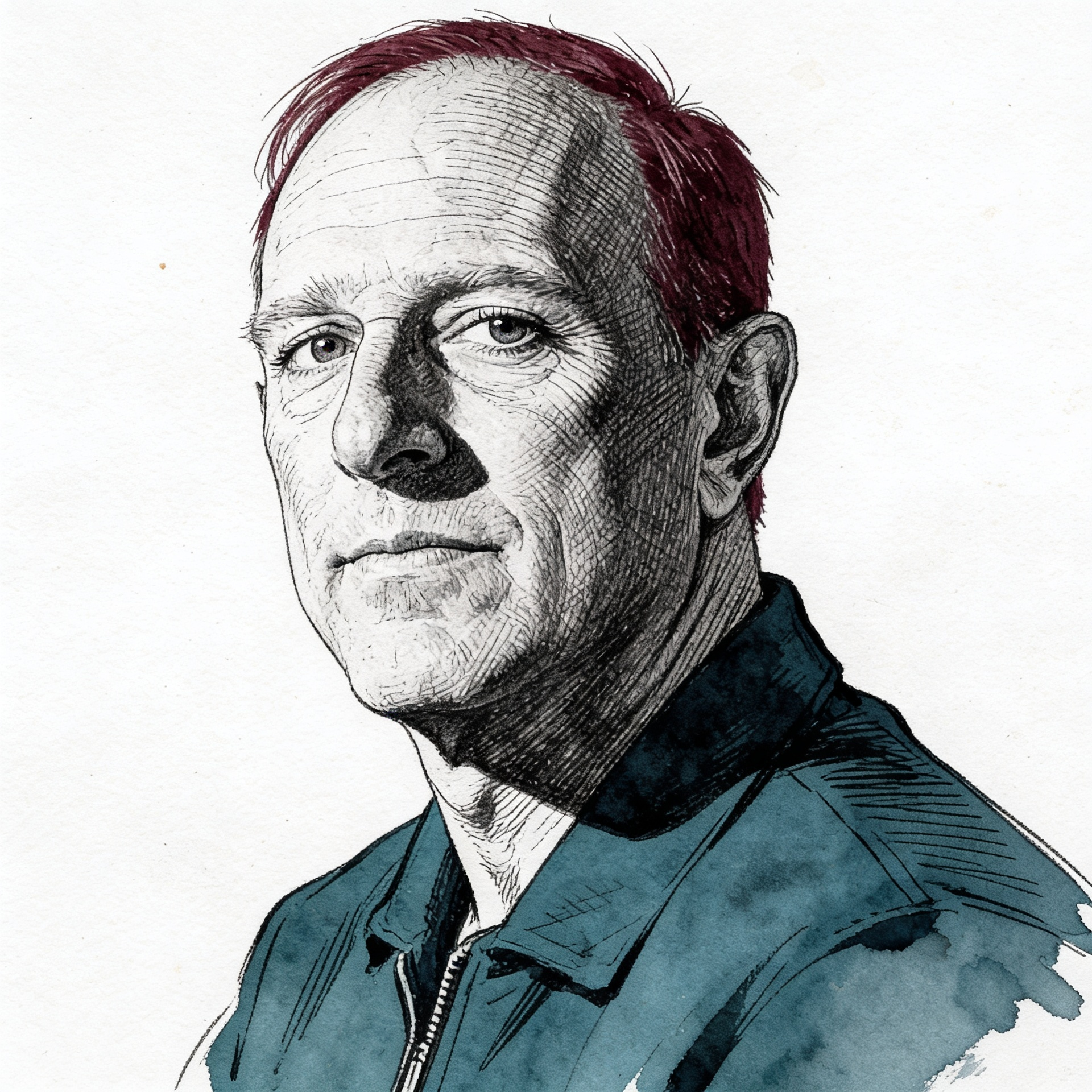
Paul Osterman
Professor at MIT Sloan School of Management and expert on Labour economics and workforce policy; argued that AI attribution in layoff announcements continues a decades-long pattern of technology as a cover for planned restructuring.
MIT economist Paul Osterman told Fortune on 31 May that AI attribution in corporate layoffs is largely a cover story, citing Harvard Business Review research finding only 2% of layoffs at AI-citing firms followed an actual AI deployment.
Last refreshed: 27 July 2026 · Appears in 1 active topic
Is AI really causing mass layoffs, or is it the cover story for cuts firms already planned?
Timeline for Paul Osterman
Mentioned in: Monday.com denies AI drove 630 job cuts
AI: Jobs, Power & MoneyMentioned in: Cook's July text drops the bond spreads
AI: Jobs, Power & MoneyMentioned in: Ford and IBM start undoing AI cuts
AI: Jobs, Power & MoneyMentioned in: AI cuts hit record 38,579 in May
AI: Jobs, Power & MoneyTold Fortune that AI attribution is largely a cover story for planned layoffs, citing a 20-year pattern
AI: Jobs, Power & Money: MIT economist: AI layoffs are a cover storyBackground
Paul Osterman is a professor at the MIT Sloan School of Management and one of the United States' leading Labour economists, with a career spanning more than four decades studying internal Labour markets, job quality and workforce policy.
He is the author of Securing Prosperity and Good Jobs America, has served on National Academy of Sciences committees examining the future of work, and has advised the US Department of Labor and congressional committees on workforce policy.
That grounding gives his scepticism about AI-attributed layoffs its weight: rather than a one-off comment, it extends a career-long argument that employers reach for whichever technological narrative is most convenient when explaining decisions made for other reasons.
He argues AI is a layoffs alibi
On 31 May, Paul Osterman told Fortune that AI attribution in layoff announcements is largely a cover story, arguing firms have used successive waves of technology as an excuse for planned restructuring for at least two decades. He pointed to Harvard Business Review research finding that only 2% of layoffs at AI-citing companies followed a demonstrable AI deployment, a figure now used as a benchmark for scepticism about employer claims.
Subsequent events have tended to support rather than contradict his thesis: by 1 July, Ford and IBM were both reversing AI-driven cuts after automation underdelivered, the exact pattern of overreach Osterman had named seven weeks earlier.
Who is Paul Osterman and what does he say about AI layoffs?
What is AI-washing in employment and how does it affect workers?
What percentage of AI-attributed layoffs actually follow an AI deployment?
What has Paul Osterman written about internal labour markets?



Written with AI from Lowdown's published reporting. Not individually reviewed by an editor. Updated 27 July 2026. Editorial standards.