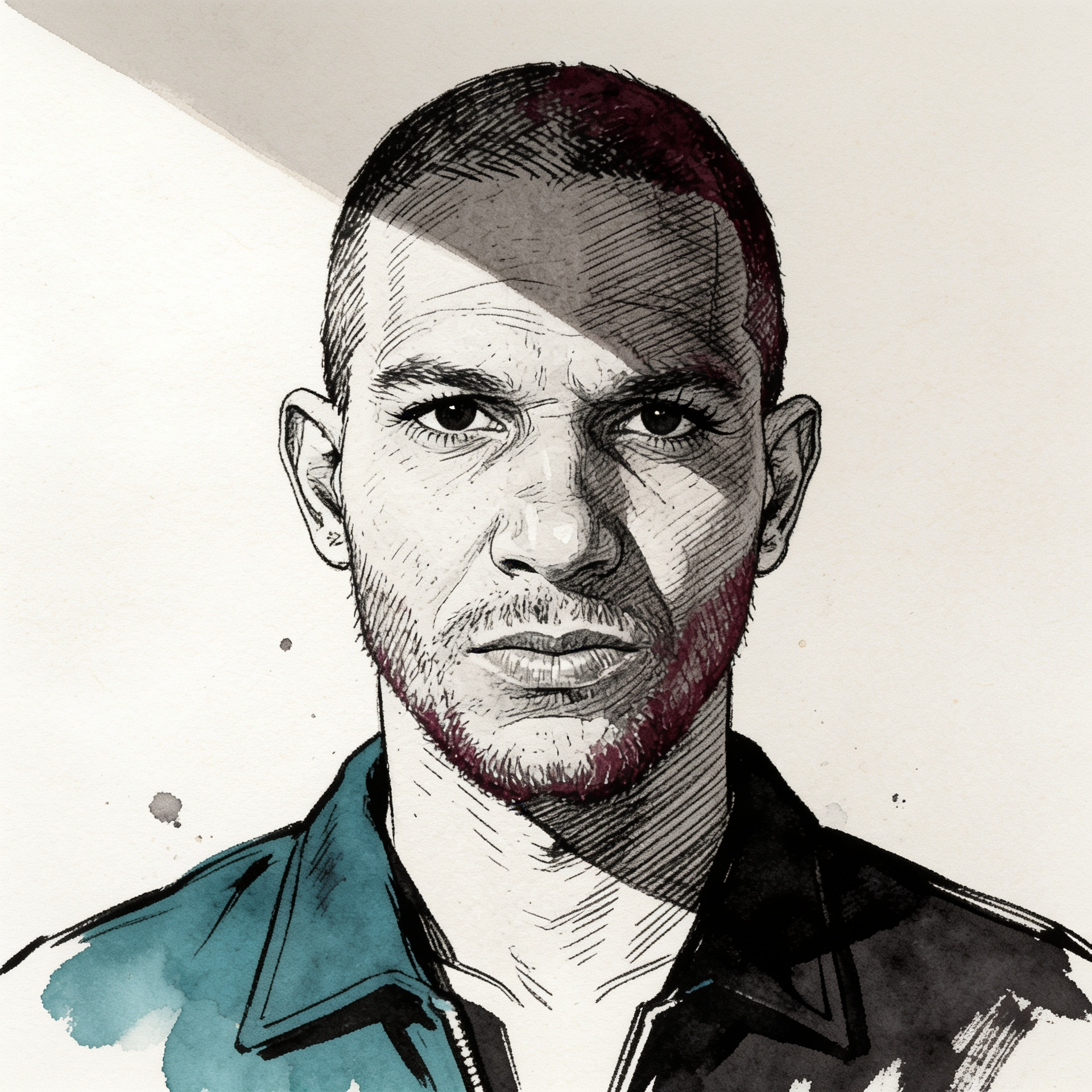
Maykel Osorbo
Imprisoned Cuban dissident rapper; co-author of Patria y Vida; refused State Security's 2026 exile ultimatum
Maykel Osorbo, the imprisoned co-author of 'Patria y Vida', rejected a State Security ultimatum on 14 May 2026 offering exile or a cell until 2030, choosing to stay in prison rather than leave Cuba.
Last refreshed: 17 July 2026 · Appears in 1 active topic
Why did Maykel Osorbo reject Cuba's offer to free him through exile?
Timeline for Maykel Osorbo
Mentioned in: State Security rang about his US visa
Cuba DispatchRefused State Security ultimatum offering exile or imprisonment until 2030
Cuba Dispatch: Osorbo rejects exile or jail to 2030Remained imprisoned alongside Otero through the appeal
Cuba Dispatch: Court denies Otero Alcántara early releaseRemained detained through 27 April despite US deadline for his release
Cuba Dispatch: US dissident-release deadline lapsed without actionBackground
Maykel Osorbo, born Maykel Castillo Pérez, is a Cuban dissident rapper and co-author of 'Patria y Vida', the 2021 protest anthem that became the soundtrack of Cuba's 11 July 2021 nationwide demonstrations and won the Latin Grammy for Song of the Year, performed in absentia while its co-authors remained imprisoned.
He was arrested in May 2021 and sentenced in July 2022 to nine years on charges of assault and disrespect of national symbols, charges his supporters characterise as retaliation for his activism. He is held at Kilo Cinco y Medio prison in Pinar del Río, and Amnesty International has designated him a prisoner of conscience, placing his case among the most internationally prominent to emerge from the 11J protests.
His continued imprisonment, despite renewed US-Cuba diplomatic engagement through 2026, and his own refusal of an exile offer, have made his case a standing test of whether Havana will ever accept a genuine, unconditional release for a named dissident.
Osorbo chose prison over exile
Washington's 24 April 2026 Deadline for Havana to free Osorbo and fellow dissident Luis Manuel Otero Alcántara passed with neither man released. Amnesty International had already confirmed, on 16 April, that neither Osorbo's name nor any other political prisoner's appeared among the 2,061 people freed in Cuba's two 2026 pardon waves; the headline release number produced zero overlap with the prisoner-of-conscience list.
On 14 May, State Security offered Osorbo a direct choice: exile abroad, or a cell extended to 2030, four years past his original nine-year sentence. He turned it down, keeping his name in the prisoner registry rather than accepting removal from the country. His refusal makes the same point as Washington's unmet Deadline: Havana has yet to offer any dissident an unconditional release.
Was Maykel Osorbo named at the United Nations in July 2026?
What did Maykel Osorbo refuse in May 2026?
What is the song Patria y Vida?
Has the US demanded Maykel Osorbo's release?
Is Maykel Osorbo still in prison in 2026?
Who is Maykel Osorbo and why is he in prison?
