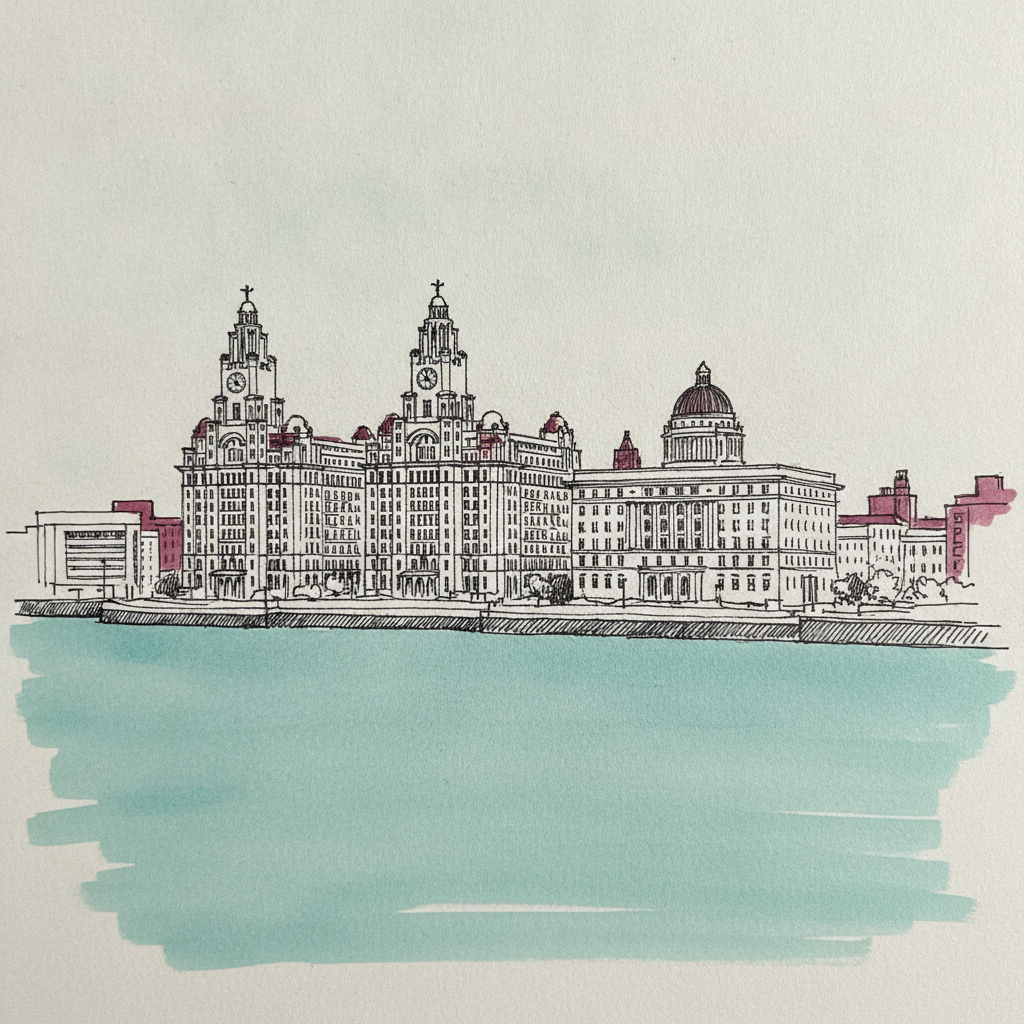
Liverpool
City in Merseyside, north-west England, and host of Labour's 2026 party conference.
Labour's 2026 conference in Liverpool produced its biggest constitutional promise in years: on 29 September Andy Burnham pledged that the next manifesto will commit to a new voting system and set up a National Commission on Electoral Reform.
Last refreshed: 7 October 2026
What did Labour announce at its 2026 Liverpool conference?
Timeline for Liverpool
Mentioned in: Burnham pledges to change voting system
UK Local Elections 2026Hosted Labour's conference where Healey spoke on 28 September
Is Britain Actually Broke?: Mentioned in: Healey rules out three big tax risesBackground
Liverpool is a city in Merseyside in north-west England, home to about 508,000 people. It is part of the Liverpool City Region Combined Authority, which joins the city with its neighbouring boroughs under an elected mayor.
Labour held its annual conference in Liverpool in September 2026, and the gathering produced the party's commitment to electoral reform. The Chancellor, John Healey, also used the Liverpool stage on 28 September to promise that the government would meet its fiscal rules, three weeks after ruling out rises in the three largest taxes.
Those two announcements, one constitutional and one fiscal, made the 2026 Liverpool conference the setting for Labour's main pre-Budget commitments.
Liverpool stages the electoral reform pledge
Burnham used his conference speech in Liverpool on 29 September 2026 to commit Labour to fighting the next general election on a promise to change how MPs are elected. He named no replacement system, and the cross-party Commission he announced has no chair yet. Delegates then backed a motion, on a show of hands, asking for proportional representation in the manifesto.
The Conservative response came after the conference had left the city: on 2 October Kemi Badenoch rejected the Commission, saying Burnham wanted to lock in the left. Her objection means the commitment made in Liverpool enters the next campaign as a dividing line between the two main parties.