Kollsnes
Major Norwegian gas processing and export facility near Bergen, operated by Gassco; routes Troll field production to European markets.
Last refreshed: 26 May 2026 · Appears in 1 active topic
What is Kollsnes and why does its capacity matter for European gas supply?
Timeline for Kollsnes
Processed reduced Troll send-out during the compressor outage window
European Energy Markets: Troll fault pulls Norwegian gas offlineBackground
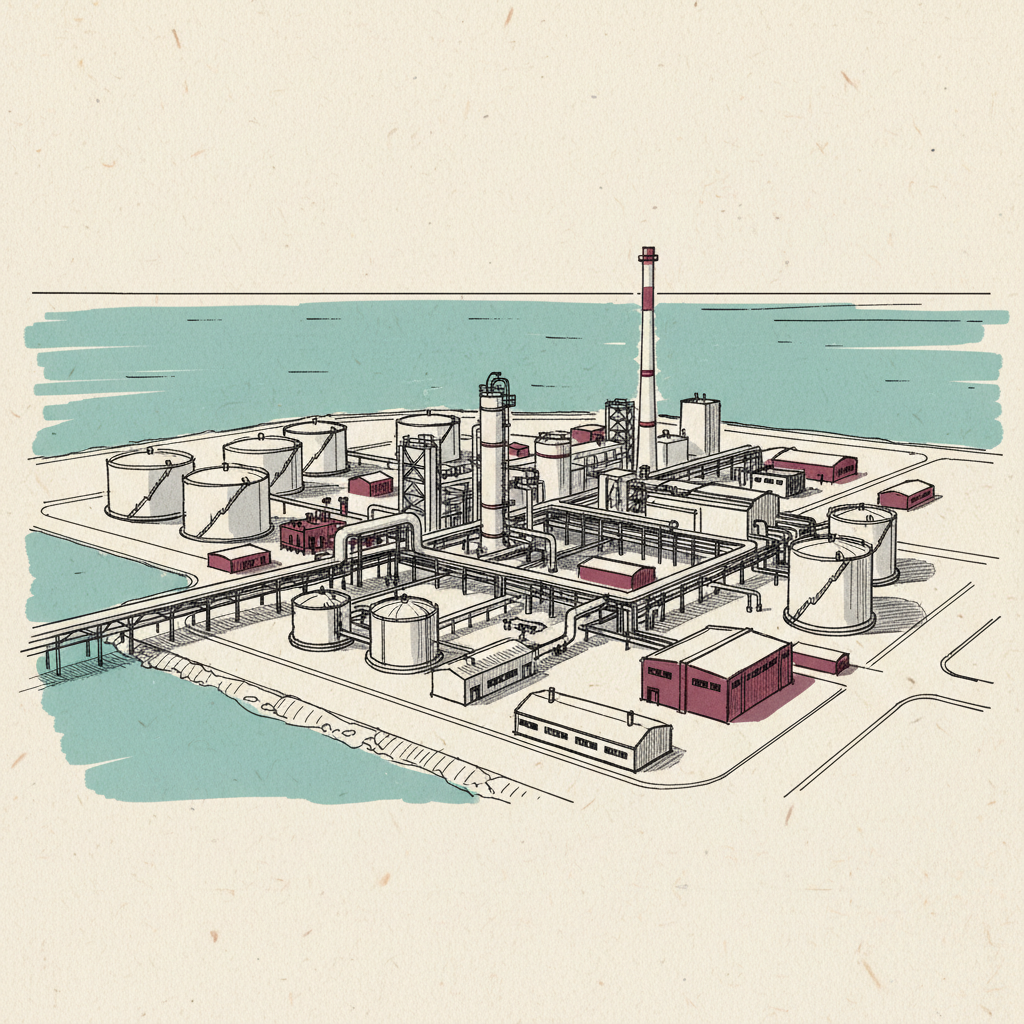
Kollsnes is a major gas processing and export facility located on the island of Kollsnes, approximately 40 kilometres northwest of Bergen on Norway's west coast. It is operated by Gassco on behalf of the Gassled owners and serves as the primary onshore reception terminal for gas from the Troll field, arriving via the dedicated Troll pipeline from the Troll A platform. At Kollsnes, the gas is processed, separated, dried, compressed and metered before dispatch into the European export pipeline network. The facility is a linchpin of Norwegian gas export infrastructure: when the Troll A compressor failure cut send-out by 34.6 MCM/day from 26–30 May 2026, Kollsnes processed the reduced flow and Gassco filed the regulatory outage notice from the plant.
Kollsnes connects to two major European export routes: the Franpipe, which runs 840 kilometres to the Dunkerque terminal in northern France, and the FLAGS (Far North Liquids and Associated Gas System) pipeline to St Fergus in Scotland. This dual-corridor architecture means Kollsnes acts as the switching point for distribution of Troll gas between continental European and UK grid systems. The facility has been operational since 1996 alongside the commencement of Troll production, and has been progressively expanded to handle peak throughput from the growing Norwegian gas portfolio.
Kollsnes's strategic importance is a function of Troll's dominance: Norway's approximately 25% share of EU gas demand flows substantially through this single facility, making its operational continuity central to European energy security. Any unplanned outage or capacity constraint at Kollsnes propagates directly into European gas markets through REMIT-reported flow reductions, short-duration supply shocks, and price movements across the TTF forward curve.
What is the Kollsnes gas plant and what does it do?
How does gas from the Troll field get to Europe?
Why is Kollsnes important for European gas supply security?
Who operates the Kollsnes gas processing plant in Norway?

