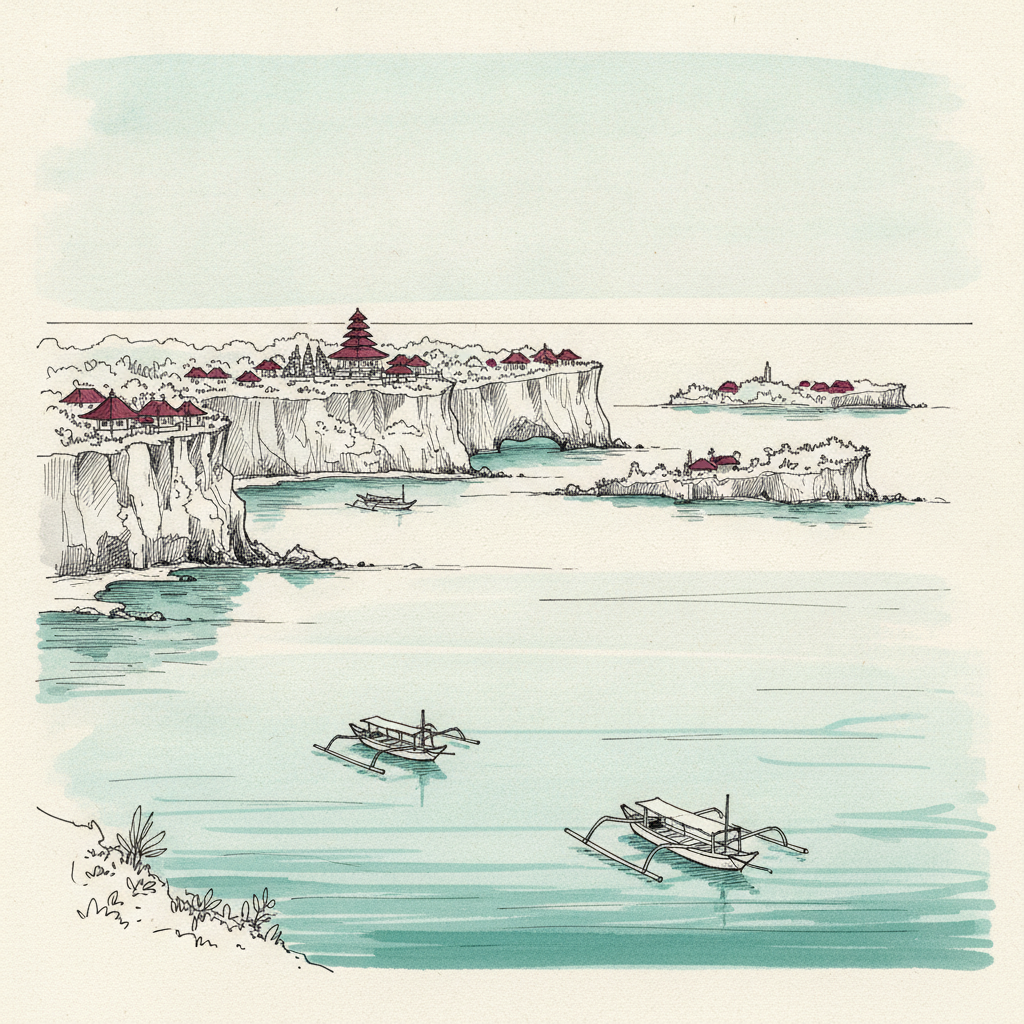
Klungkung Regency
Indonesian regency covering Bali's Nusa islands.
Klungkung Regency took 2.7bn rupiah in tourism charges on Nusa Penida from 1 to 9 September 2026, against 1.1bn in the first ten days of August, after moving its new foreign-visitor charge to a single collection gate.
Last refreshed: 3 October 2026 · Appears in 1 active topic
How much will Klungkung Regency charge foreign visitors to reach the Nusa islands?
Timeline for Klungkung Regency
Took 2.7bn rupiah through single-gate collection
Nomads & Communities: Nusa Penida's new gate doubles takingsAnnounced a foreign-visitor entry charge for the Nusa islands
Nomads & Communities: Klungkung charges to reach Nusa PenidaBackground
Klungkung Regency is the Indonesian district government (kabupaten) responsible for Bali's Nusa islands: Nusa Penida, Nusa Lembongan and Nusa Ceningan. It sits within Bali province but sets and enforces its own local regulations, including Regional Regulation 4/2026 on visitor charges.
Its charging power runs alongside Bali's provincial visitor levy rather than replacing it. The two are set and collected by separate authorities, so a foreign visitor WHO crosses to the Nusa islands from mainland Bali pays a district charge on top of the provincial one.
The regency collects at the harbours that every boat passenger must pass, rather than relying on SPOT checks it has no staff to run across three islands.
Klungkung's single gate doubled its takings
Klungkung Regency announced on 12 August 2026 that Regional Regulation 4/2026 would charge foreign adults 25,000 rupiah and foreign children 15,000 rupiah to visit Nusa Penida, Nusa Lembongan and Nusa Ceningan from 1 September. The regency collects the charge itself at the harbours where island boats land.
Its tourism office reported 2.7bn rupiah taken on Nusa Penida from 1 to 9 September, against 1.1bn in the first ten days of August under the old per-site charge. The regency gave no visitor count, and the old charge also fell on domestic visitors, so the figure measures revenue rather than how many foreigners paid.
How much does Klungkung charge foreigners to visit Nusa Penida?
What is Klungkung Regency responsible for?
What law underpins Klungkung's new Nusa islands charge?


