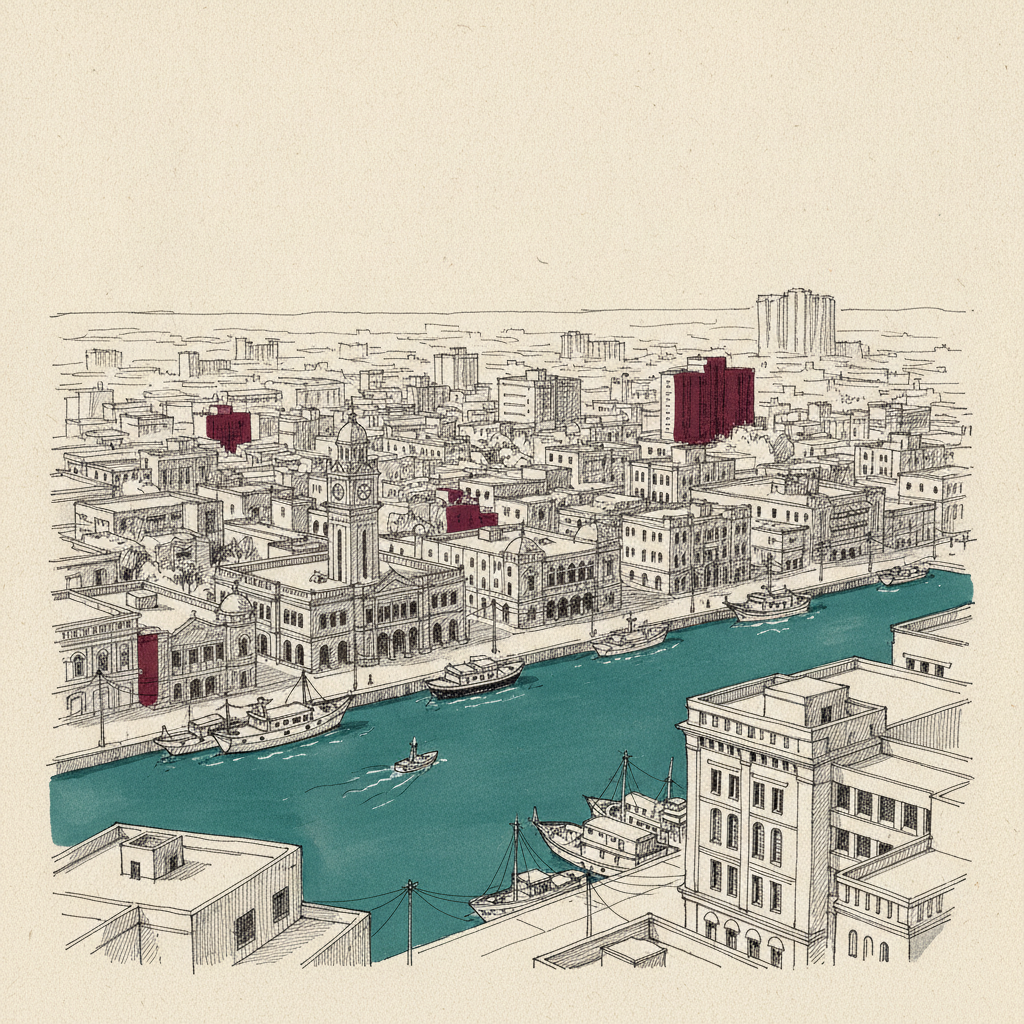
Karachi
Pakistan's largest city and Sindh's capital; one of three critical wild-Polio transmission areas in 2026.
Karachi is one of three critical areas for wild poliovirus type 1, WHO's Polio IHR Emergency Committee said in a statement published on 13 November 2026, though the city's sewage positivity fell significantly this year.
Last refreshed: 21 November 2026 · Appears in 1 active topic
Karachi's sewage tests have improved; why does WHO still call it a polio hotspot?
Timeline for Karachi
Afghanistan has 25 of 29 wild polio cases
Pandemics and BiosecurityBackground
Karachi, Pakistan's largest city and the capital of Sindh province, ranks among three critical areas for wild poliovirus type 1 in the view of WHO's Polio IHR Emergency Committee, whose statement was published on 13 November 2026. Afghanistan's South Region and southern Khyber Pakhtunkhwa make up the other two. The committee noted that the city's sewage positivity fell significantly in 2026, but judged that the gains did not yet reflect eradication-level programme quality.
That verdict sits inside a national picture of falling cases and persistent virus. Pakistan's wild cases dropped from 31 in 2025 to four in 2026 to 30 September, yet its sewage samples tested positive 128 times, against Afghanistan's 76.
Size gives the city its weight in that surveillance: the 2023 census counted 18.9 million people in the city proper. Karachi's ports also handle about 95% of Pakistan's foreign trade, which makes the city a national crossroads for goods and people.
Why is Karachi still a polio risk area?
Is there still polio in Karachi?
How many people live in Karachi?
Written with AI from Lowdown's published reporting. Not individually reviewed by an editor. Updated 21 November 2026. Editorial standards.