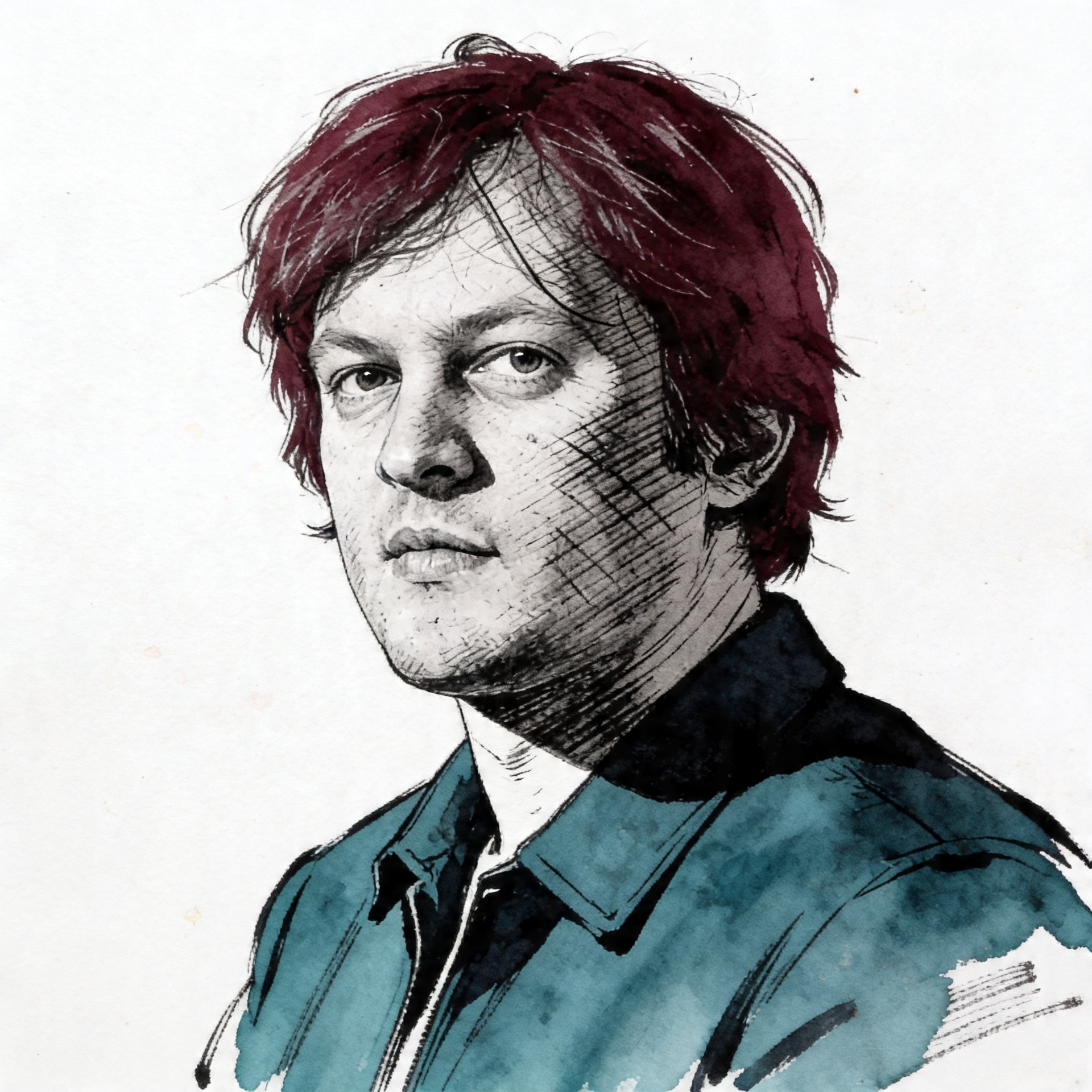
Irakli Kobakhidze
Georgian Prime Minister since February 2024; Georgian Dream party leader.
Last refreshed: 17 April 2026 · Appears in 1 active topic
Is Kobakhidze's "freed from illegal migrants" rhetoric a policy signal or a political performance?
Timeline for Irakli Kobakhidze
Declared Georgia would be 'fully freed from illegal migrants' while separately acknowledging foreign workers as infrastructure-critical
Nomads & Communities: Georgia arms MIA with home-inspection powersBackground
Irakli Kobakhidze made contradictory public statements on immigration in February 2026 that define Georgia's current ambiguity toward foreign nationals. On 13 February 2026 he stated that Georgia would be "fully freed from illegal migrants"; five days later he told Parliament that "without foreigners, many infrastructure projects could not be carried out". No ministerial clarification has been issued reconciling the two positions. The contradiction is widely read as deliberate: it allows the government to calibrate foreign nationals' self-assessment of personal risk without committing to any specific policy.
Kobakhidze became Prime Minister of Georgia in February 2024, succeeding Irakli Garibashvili, and chairs the ruling Georgian Dream party. Georgian Dream has governed Georgia since 2012 under the political patronage of oligarch Bidzina Ivanishvili. The party has drifted toward anti-Western rhetoric since 2023, including its controversial passage of a "foreign agents" law modelled on Russian legislation, which prompted EU membership talks to be suspended.
For the digital nomad and long-stay expatriate community in Tbilisi, Kobakhidze's statements matter because they shape the operating environment for the Ministry of Internal Affairs' new inspection powers. The MIA now has authority to Conduct unannounced inspections of foreign nationals' homes and workplaces, and foreign nationals WHO participate in protests face a three-year entry ban. Kobakhidze's rhetoric licenses the use of these tools without specifying WHO they target.