InstaVolt
UK rapid-charging network that secured £40m of sovereign and state-bank debt in May 2026.
Last refreshed: 21 May 2026 · Appears in 1 active topic
How did a British EV-charger firm bring NATO-ally state finance to bear on the UK charging gap?
Timeline for InstaVolt
Secured £40m NWF debt as part of £250m syndicated facility
UK Startups and Innovation: NWF deploys up to £115.6m across supply-chain trioBackground
InstaVolt secured £40m of debt from the National Wealth Fund on 18 May 2026 as part of a £250m syndicated facility also involving KfW IPEX-Bank, Lloyds Banking Group, NatWest and Santander. The facility is the NWF's fifth transaction in the EV-charging sector and KfW IPEX-Bank's participation makes it a rare POST-Brexit EU-UK state-bank co-investment on green infrastructure. InstaVolt plans to deploy the capital to expand its UK rapid-charger estate significantly.
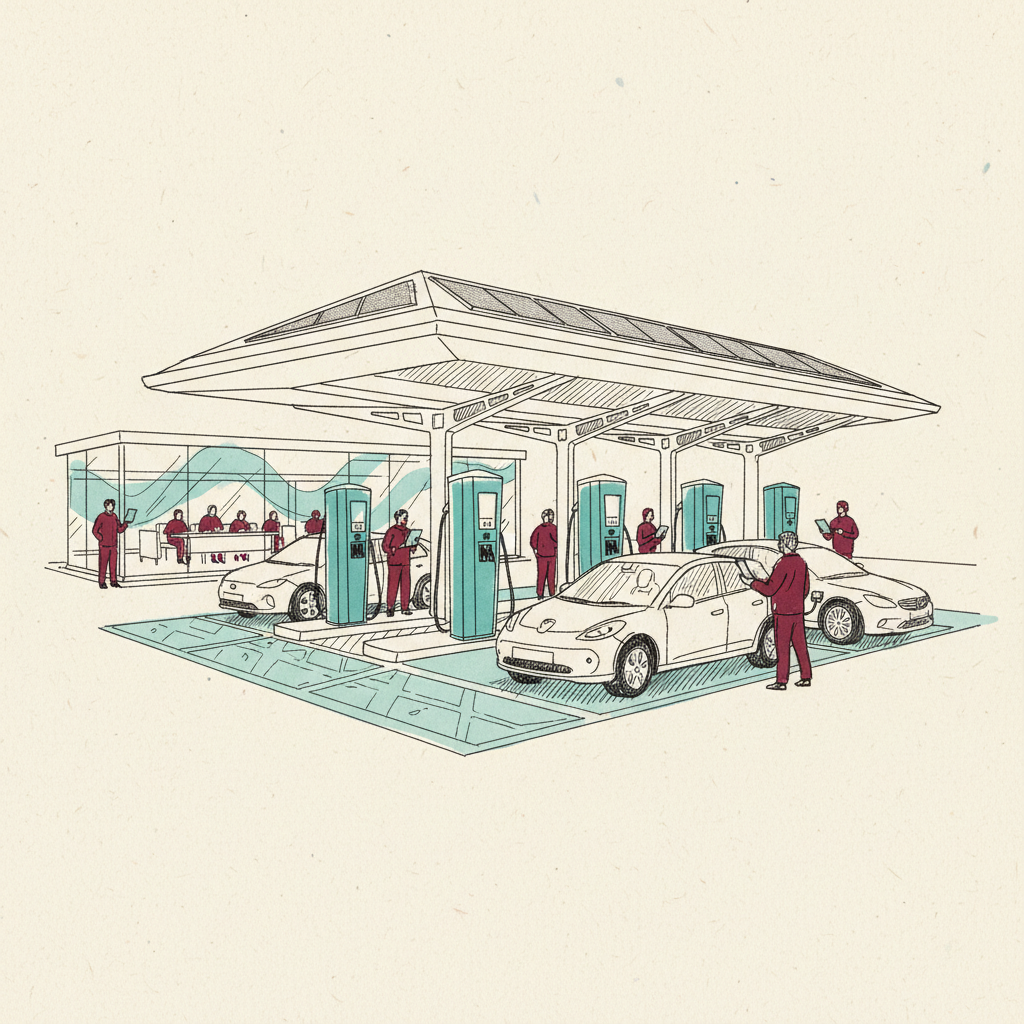
InstaVolt is one of the UK's leading public rapid-charging networks, operating high-power chargers at motorway services, retail parks, and urban locations across England, Scotland and Wales. The company focuses on 50kW to 150kW DC rapid chargers that can ADD around 100 miles of range in 20-30 minutes. It targets commercial and retail site operators as landlord partners, a model that differentiates it from competitors focused on residential or fleet charging. The NWF had previously backed the EV-charging sector through Gridserve, Pod Point and others.
The InstaVolt deal's structural significance is twofold. First, the syndicate demonstrates that state-bank debt at KfW pricing levels can crowd in UK commercial bank capital (Lloyds, NatWest, Santander) at viable terms for green infrastructure, without requiring grant subsidy. Second, KfW IPEX-Bank's participation is the first documented instance of Germany's state development bank co-investing with a UK sovereign vehicle on green infrastructure since Brexit, creating a bilateral instrument neither government has publicised as policy. If replicated, the EU-UK state-bank channel could unlock the kind of structured finance that has enabled Germany to scale solar and EV charging faster than the UK.
What is InstaVolt and how does it make money?
Why is KfW investing in UK EV charging?
How much money has InstaVolt raised for expansion?
