Impoundment Control Act
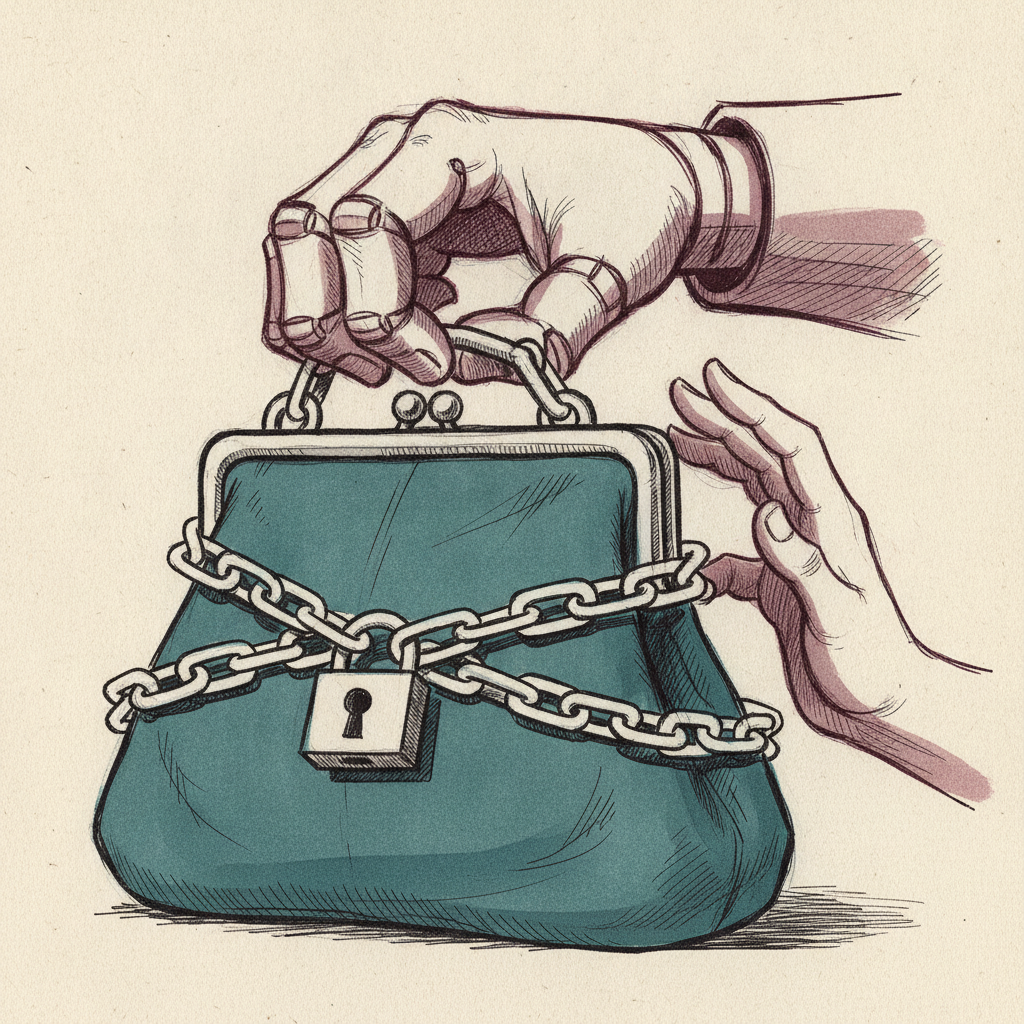
1974 US law that limits a president's power to withhold money Congress has appropriated.
Eric Ueland, nominated on 16 November 2026 as Comptroller General, would become the enforcer of the Impoundment Control Act, with power to report a president's withheld funds to Congress and to sue for their release, for a 15-year term.
Last refreshed: 19 November 2026 · Appears in 1 active topic
Who can force a president to spend money Congress has voted?
Timeline for Impoundment Control Act
Mentioned in: Trump picks Ueland for 15-year GAO term
US Midterms 2026Background
Enforcement of the Impoundment Control Act rests with the Comptroller General, and that post is now in play. Trump picked Eric Ueland for it on 16 November 2026. The outgoing Republican Senate has until 3 January to confirm him, and a confirmed Ueland would hold the Act's enforcement powers until about 2041.
Congress passed the Act as Title X of Public Law 93-344, signed on 12 July 1974. A president who wants appropriated money cancelled must send Congress a special message. If lawmakers do not pass a rescission bill within 45 days, the funds must be spent (2 USC 683). Where a president withholds money without reporting it, the Comptroller General files the report instead (2 USC 686). After lodging a statement and waiting 25 calendar days of continuous session, the Comptroller General may sue in the US District Court for the District of Columbia (2 USC 687).
The law has live force. In 2025 GAO ruled that The Administration had broken it, including over grants for the Institute of Museum and Library Services and for Head Start.
What is the Impoundment Control Act?
Can the Comptroller General sue over impounded funds?
Has the Trump administration broken the Impoundment Control Act?
How long can a president hold back funds he wants cancelled?





Written with AI from Lowdown's published reporting. Not individually reviewed by an editor. Updated 19 November 2026. Editorial standards.