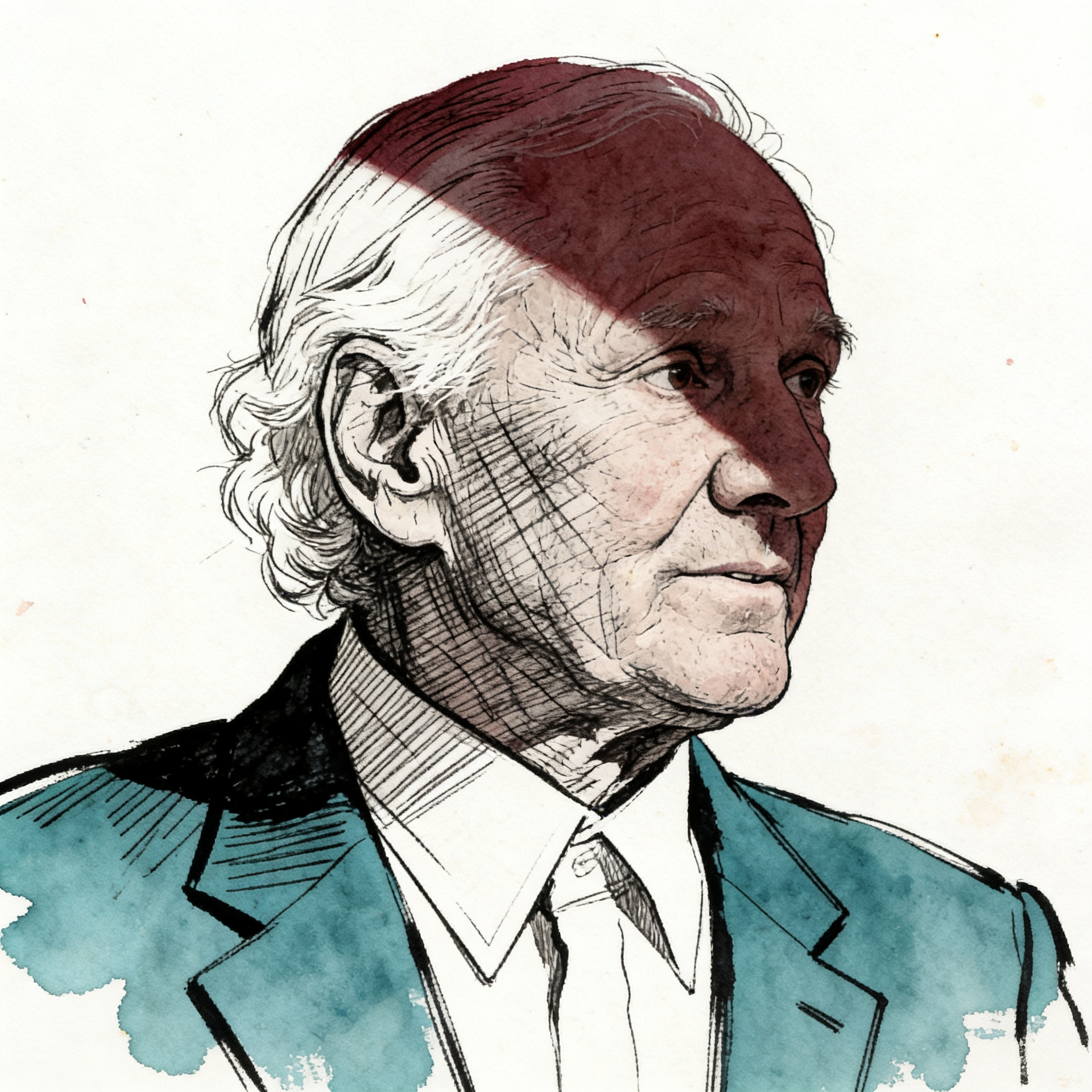
Henry McMaster
South Carolina Governor WHO appointed Graham's sister as interim senator after his redistricting push failed.
McMaster appointed Lindsey Graham's sister to the vacant Senate seat on 13 July 2026, three months after his own push to redraw South Carolina's congressional map was killed on the floor of his party's state Senate.
Last refreshed: 4 August 2026 · Appears in 1 active topic
Why did South Carolina Republicans block their own Governor's redistricting push?
Timeline for Henry McMaster
Mentioned in: Graham Nordone takes the Senate runoff
US Midterms 2026Appointed Darline Graham Nordone interim senator
US Midterms 2026: Graham's sister appointed to his seatPressured the state Senate to proceed with redistricting but was overruled by Senate Majority Leader Hiott
US Midterms 2026: South Carolina Senate blocks post-Callais redrawBackground
Henry McMaster is the Republican Governor of South Carolina. He reached the office by succession rather than election, having been lieutenant governor when his predecessor resigned, and has since won election in his own right.
His tenure has been marked by close alignment with the national Republican leadership, and he was among the earliest statewide officeholders in the country to endorse Donald Trump. That alignment shapes how his appointment powers are read: a gubernatorial appointment to a Senate vacancy is one of the few genuinely unilateral powers an American governor holds, and the choice signals where a state party's leadership sits.
The limits of the office have been equally visible. South Carolina's legislature has repeatedly declined to follow his lead, and the state's Senate in particular has shown itself willing to stop a governor of its own party without putting the question to a vote.
His own party's Senate refused the redraw
Following the Supreme Court's Callais ruling, the governor pressed South Carolina to redraw its congressional map to expand the Republican seat count. The state House passed a calendar extension enabling a session, and he applied direct pressure to senators.
The effort ended without a vote. The state Senate's majority leader told members the chamber would simply not proceed, and the map stood. For a governor of the same party as both chambers, that is an unusually complete refusal, and it left South Carolina among the southern states that declined to redraw after Callais rather than among those that did. The appointment power he exercised three months later was, by contrast, entirely his own to use.