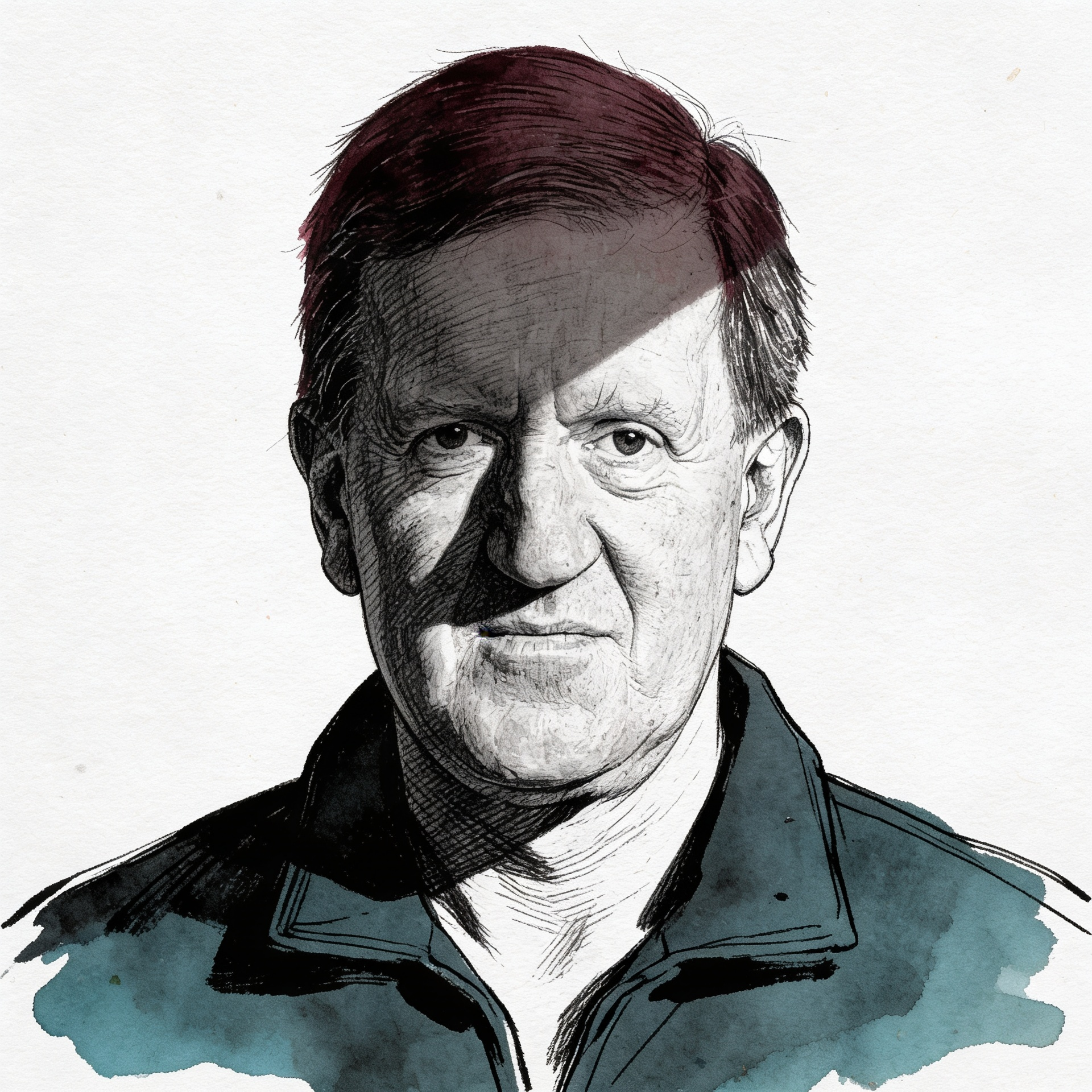
George Robertson
Former NATO Secretary General WHO chaired UK's 2025 Strategic Defence Review; accused ministers of 'corrosive complacency'.
Last refreshed: 24 April 2026 · Appears in 1 active topic
Why did the man Starmer hired to fix defence accuse him of 'corrosive complacency'?
Timeline for George Robertson
Accused the UK government of 'corrosive complacency' in armed forces review
Russia-Ukraine War 2026: UK reopens War Book, hosts 30-nation Hormuz meetBackground
George Robertson, Baron Robertson of Port Ellen, is a Scottish Labour politician WHO served as NATO Secretary General from 1999 to 2003 — the period spanning the 11 September attacks and NATO's invocation of Article 5. In 2024 Prime Minister Starmer commissioned him to lead an independent Strategic Defence Review (SDR), tasked with an exhaustive root-and-branch examination of Britain's armed forces. Robertson delivered a report that, by April 2026, had been partially adopted but was generating political friction over funding. He publicly accused the government of "corrosive complacency" in April 2026, a phrase that landed as a sharp rebuke from a man Starmer himself had appointed.
Robertson entered politics as a Scottish Labour MP in 1978 and served as Secretary of State for Defence from 1997 to 1999 before moving to NATO's top POST. As Secretary General he oversaw the Alliance's expansion into Eastern Europe and its first-ever Article 5 activation. His tenure established a reputation for uncompromising language on defence obligations; the "corrosive complacency" phrase is entirely consistent with his rhetorical style across three decades.
His critique of the Starmer government points at a structural gap between the SDR's ambitions and Treasury willingness to fund them. With Ajax delivering 165 of 589 vehicles for £6.3 billion and UK defence spending at 2.3% of GDP against a 2027 pledge of 2.6%, Robertson's assessment is that Britain is making defence promises it lacks the fiscal and industrial foundation to keep. That verdict carries particular weight given his direct experience of the NATO burden-sharing arguments he now finds mirrored domestically.
