GB Grid
State-owned UK network company inside Great British Energy, announced in September 2026.
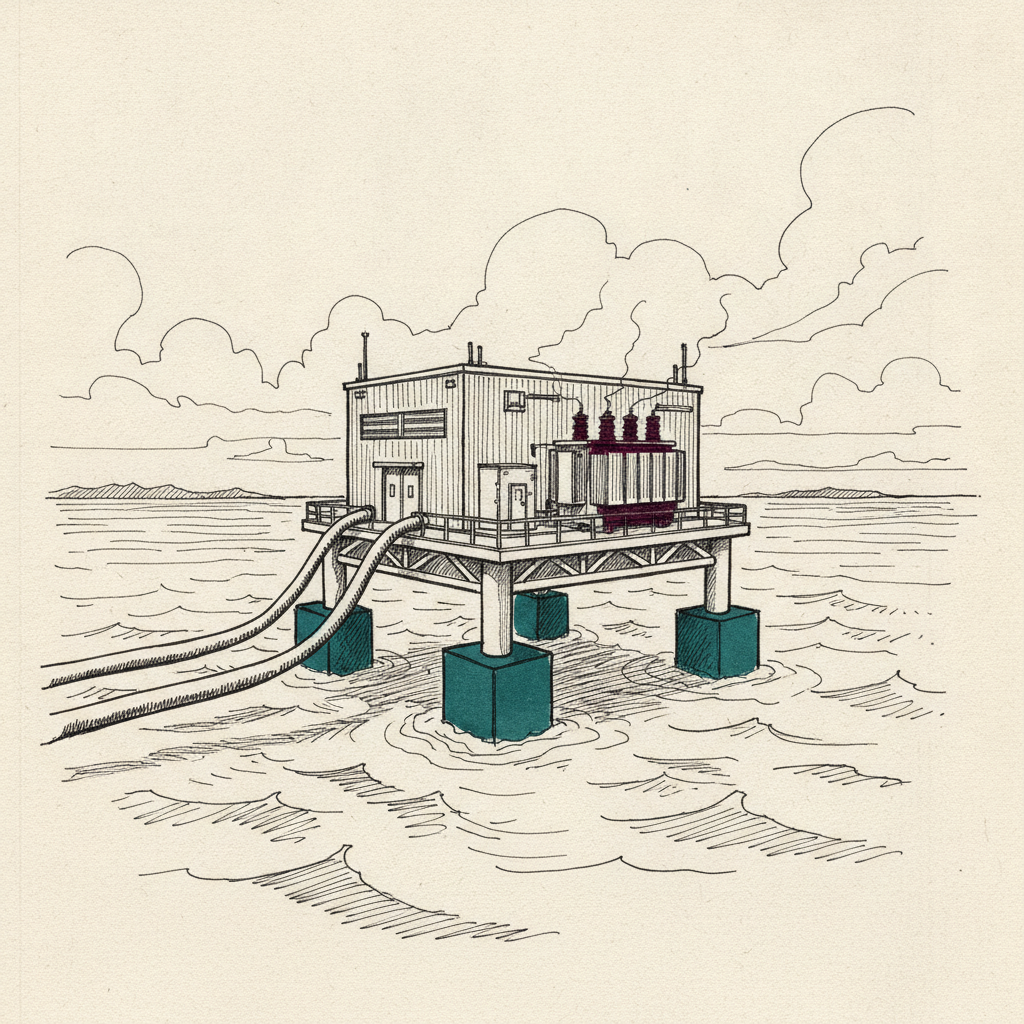
GB Grid, announced by the UK Government on 29 September 2026, will co-invest in grid links that businesses build for themselves. Its target is a demand queue in which data centres hold 73 GW to 80 GW, by Ofgem figures.
Last refreshed: 18 October 2026 · Appears in 1 active topic
Can a state-owned grid company shorten Britain's connection queue?
Timeline for GB Grid
GB Grid opens self-build to data centres
Data Centres: Boom and BacklashBackground
GB Grid is a publicly owned network company that the UK Government placed inside Great British Energy on 29 September 2026, with a brief to compete with the existing network operators. Businesses will be free to build their own grid connections, and GB Grid can put money into those projects alongside them. It is also called Great British Grid.
Its start-up costs come out of Great British Energy's existing budgets, according to the law firm Baker McKenzie, and longer-term funding is left to a future Spending Review. Regulation stays where it was: Ofgem regulates the networks and the National Energy System Operator plans the system. Ofgem is drafting a licence for Independent transmission owners and expects to hold the first competitive onshore transmission tender in 2027, a contest in which GB Grid could bid to build network upgrades.
The pressure behind the company comes from data centres. Ofgem has also proposed that a data centre accepting a grid offer should pay a commitment fee of £237,500 to £712,500 per MW, a second lever on the same queue.
Self-build offers a route round the queue
GB Grid's founding offer, set out on 29 September 2026, is money alongside any business that wires its own site into the network. The queue it is aimed at is heavy with data centres: City AM, reading Ofgem figures, put their share at no less than 80 GW, and other Ofgem papers put it near 73 GW. Either number is above Britain's national peak demand of about 45 GW.
The largest single request in that queue is CX Tech's 1,000 MW application near Chapelcross in Dumfries and Galloway, a record by City AM's count. A self-built line can bring a campus of that size to the edge of the network sooner. It adds no generation and no network capacity behind the connection, so the company's model shortens the wiring, not the wait for power.
What is GB Grid?
How will GB Grid help data centres get connected?
How is GB Grid funded?
Who regulates GB Grid?




Written with AI from Lowdown's published reporting. Not individually reviewed by an editor. Updated 18 October 2026. Editorial standards.