Does Gabon's CIRMF research heritage give it an advantage in building AMR laboratory capacity under ARILAC?
Timeline for Gabon
Mentioned in: GL 134C lapsed clean, no successor
European Oil MarketsMentioned in: WHA79 adopts a 10-year AMR plan
Pandemics and BiosecurityMentioned in: Africa CDC and EU launch ARILAC for AMR
Pandemics and BiosecurityMentioned in: Russian-flag shadow fleet share hits 21%
European Oil MarketsBackground
Gabon is a Central African country on The Atlantic coast, bordered by Equatorial Guinea, Cameroon, and the Republic of Congo. Its population of roughly 2.4 million (2024 estimate) is one of the smallest among sub-Saharan African states, but it has one of the higher GDPs per Capita on the continent, driven largely by oil revenues and timber exports. Libreville is the capital. The country was governed for over four decades by Omar Bongo and then his son Ali Bongo, until the military seized power in August 2023, ousting Ali Bongo following a disputed election. A transitional government under General Brice Clotaire Oligui Nguema has since held power. Despite its oil wealth, inequality in Gabon is high, and public services including health remain uneven outside the capital.
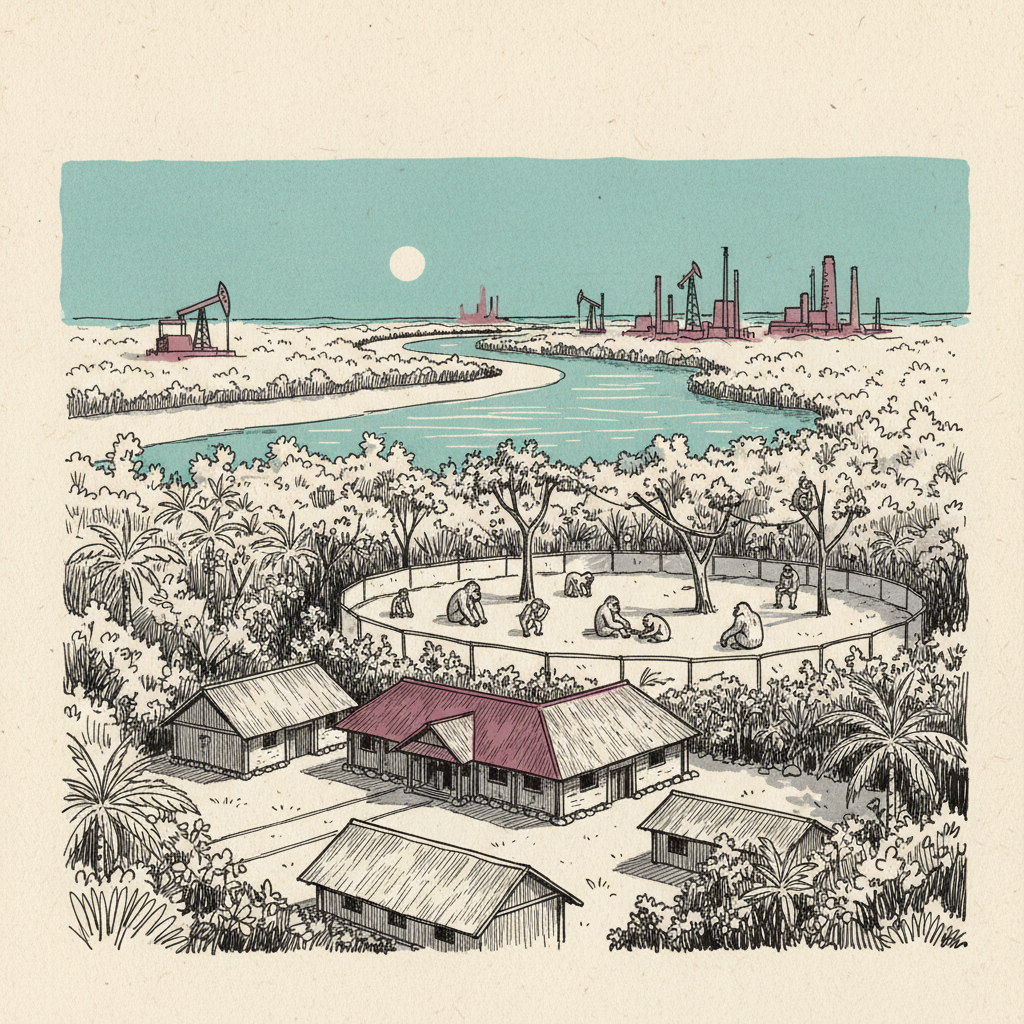
Gabon has a notable biosecurity research footprint. The Centre International de Recherches Médicales de Franceville (CIRMF) has operated in Gabon for decades, conducting primate virology research and contributing to Ebola and other haemorrhagic fever study in the Congo Basin region. Gabon is one of eight AU member states selected for ARILAC (Advancing Regional Integrated Laboratory Capacity for AMR Control), launched in Addis Ababa on 6 May 2026. The CIRMF's existing research capacity may give Gabon a stronger baseline for AMR laboratory development than some other ARILAC participants, though applied clinical AMR surveillance differs from research-setting virology.
What is CIRMF and what research has it done on Ebola?
What happened in Gabon in 2023?
Why is Gabon in the ARILAC programme?
