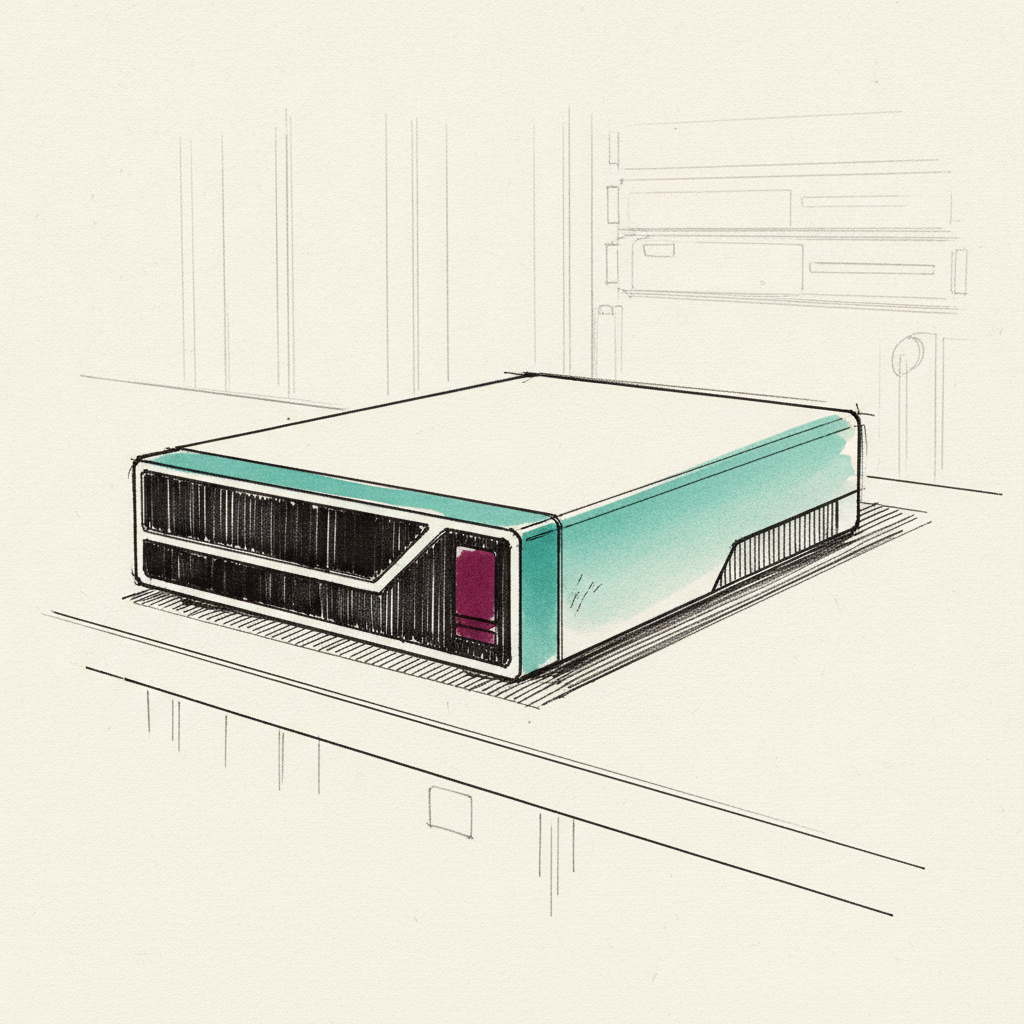
FortiSandbox
Fortinet malware-sandbox appliance whose command-injection flaw CVE-2026-39808 sat uncatalogued by CISA for a month.
FortiSandbox was under active attack through CVE-2026-39808 from 17 June 2026, but CISA did not add the flaw to its exploited-vulnerabilities catalogue until 16 July.
Last refreshed: 22 October 2026 · Appears in 1 active topic
CrowdSec caught this FortiSandbox flaw a month before CISA did, so how far behind is the federal patch clock?
Timeline for FortiSandbox
Mentioned in: Atlassian bug hit hours after a write-up
Cybersecurity: Threats and DefencesMentioned in: Arista, Fortinet and Cisco flaws listed
Cybersecurity: Threats and DefencesCISA's KEV list runs a month late
Cybersecurity: Threats and DefencesBackground
FortiSandbox is Fortinet's malware-analysis and threat-detection appliance. Organisations use it to open suspicious files in an isolated environment, observe their behaviour and pass detection information to other security products before the files reach production systems.
The appliance forms part of Fortinet's wider Security Fabric and is commonly deployed alongside firewalls, endpoint tools and central management systems. A weakness in FortiSandbox can undermine the analysis layer intended to identify hostile code, making flaws in the appliance especially sensitive.
CVE-2026-39808 showed the operational consequence in 2026: exploitation was observed before CISA's catalogue created an official federal patch clock. FortiSandbox therefore matters both as a detection product and as another managed appliance that customers must inventory, patch and monitor as part of their own attack surface.
FortiSandbox reached KEV one month late
CrowdSec observed attackers exploiting CVE-2026-39808 in FortiSandbox on 17 June 2026. CISA did not add the flaw to its Known Exploited Vulnerabilities catalogue until 16 July, one month after the first reported in-the-wild activity.
For FortiSandbox users, that gap mattered because US federal remediation deadlines begin when CISA lists a flaw. Organisations using the catalogue as their urgent-patching trigger received no federal signal during the first four weeks of known exploitation. A security appliance built to inspect suspicious files had itself become an exposed part of the defensive stack.
FortiSandbox's flaw reached KEV a month late
What kind of vulnerability is CVE-2026-39808 in FortiSandbox?
Has any ransomware group been linked to the FortiSandbox CVE-2026-39808 flaw?
Why did CISA take a month to catalogue the FortiSandbox flaw?
What is FortiSandbox?
Written with AI from Lowdown's published reporting. Not individually reviewed by an editor. Updated 22 October 2026. Editorial standards.