Operation Saffron
French-Dutch police operation that dismantled the criminal VPN service First VPN in May 2026.
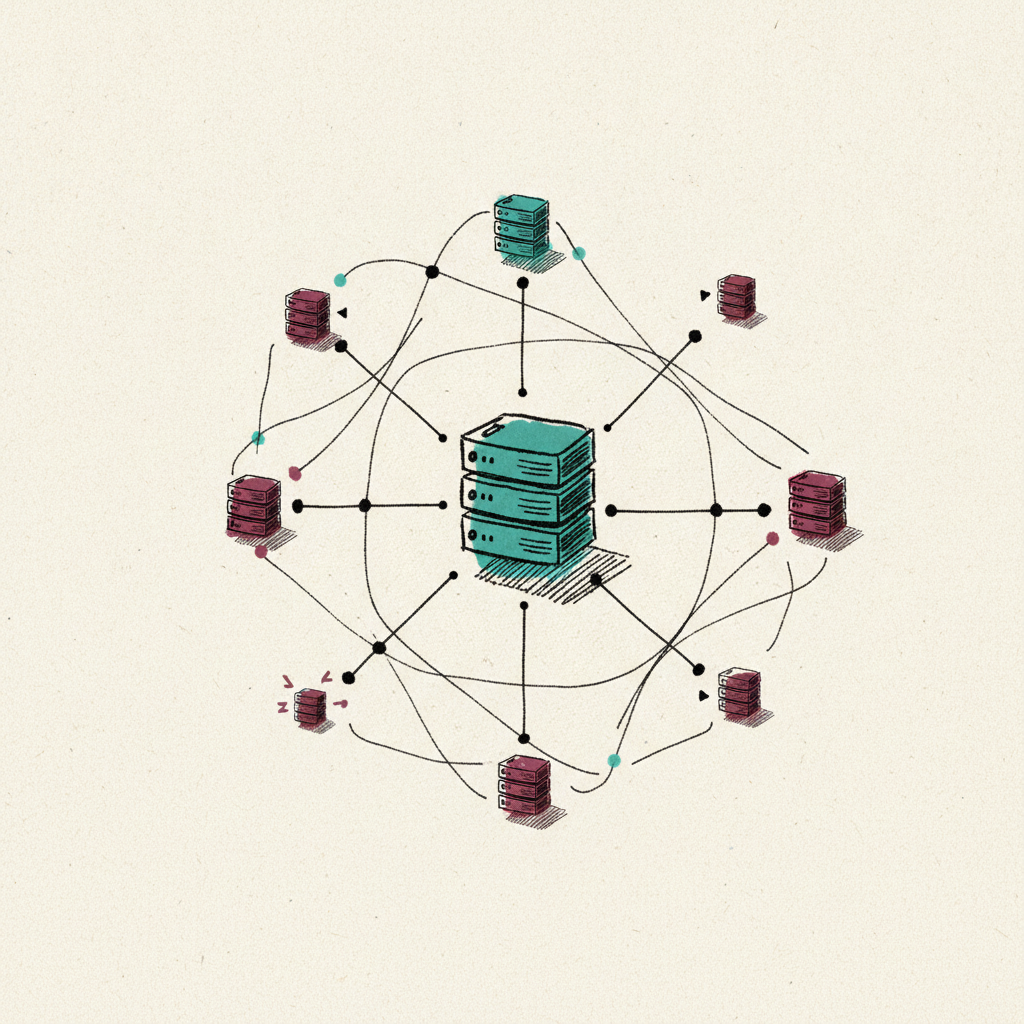
French and Dutch police switched off First VPN on 19 and 20 May 2026 under Operation Saffron, dismantling 33 servers and passing intelligence on 506 of its users to partner countries.
Last refreshed: 12 October 2026
What did police learn about First VPN's users before switching it off?
Timeline for Operation Saffron
Mentioned in: Europol sinkholes Sality after two decades
Cybersecurity: Threats and DefencesMentioned in: G7 cyber exercise ends without readout
Cybersecurity: Threats and DefencesMentioned in: New '2019' group tops June ransomware tally
Cybersecurity: Threats and DefencesMentioned in: Bitdefender: affiliates cross-claim rival victims
Cybersecurity: Threats and DefencesMentioned in: Ransomware tempo holds at 95 in May
Cybersecurity: Threats and DefencesBackground
Operation Saffron was the joint French and Dutch case against First VPN, an anonymisation service sold to criminals. Investigators opened it in December 2021, and 18 countries were eventually involved, 16 of them in a dedicated taskforce, with Europol and Eurojust in support. During two days of raids, 19 and 20 May 2026, officers dismantled 33 servers and police in Ukraine searched and questioned the service's administrator.
According to the Paris prosecutor, First VPN had operated since 2014, held more than 5,000 accounts and yielded evidence for ransomware investigations such as Phobos. Europol reported sharing intelligence on 506 users with partner countries. Neither Europol nor Eurojust named a ransomware gang among the customers.
Public trackers show no fall in ransomware volume after Saffron. BlackFog recorded 95 disclosed attacks in May and 102 in June, when a newly emerged group called 2019 led the count. Bitdefender reported in June that MedusaLocker, rebranded as Bavacai, had entered the top ten after the takedown.
What was Operation Saffron?
Was the First VPN administrator arrested in Operation Saffron?
Which ransomware groups were linked to First VPN?
Written with AI from Lowdown's published reporting. Not individually reviewed by an editor. Updated 12 October 2026. Editorial standards.