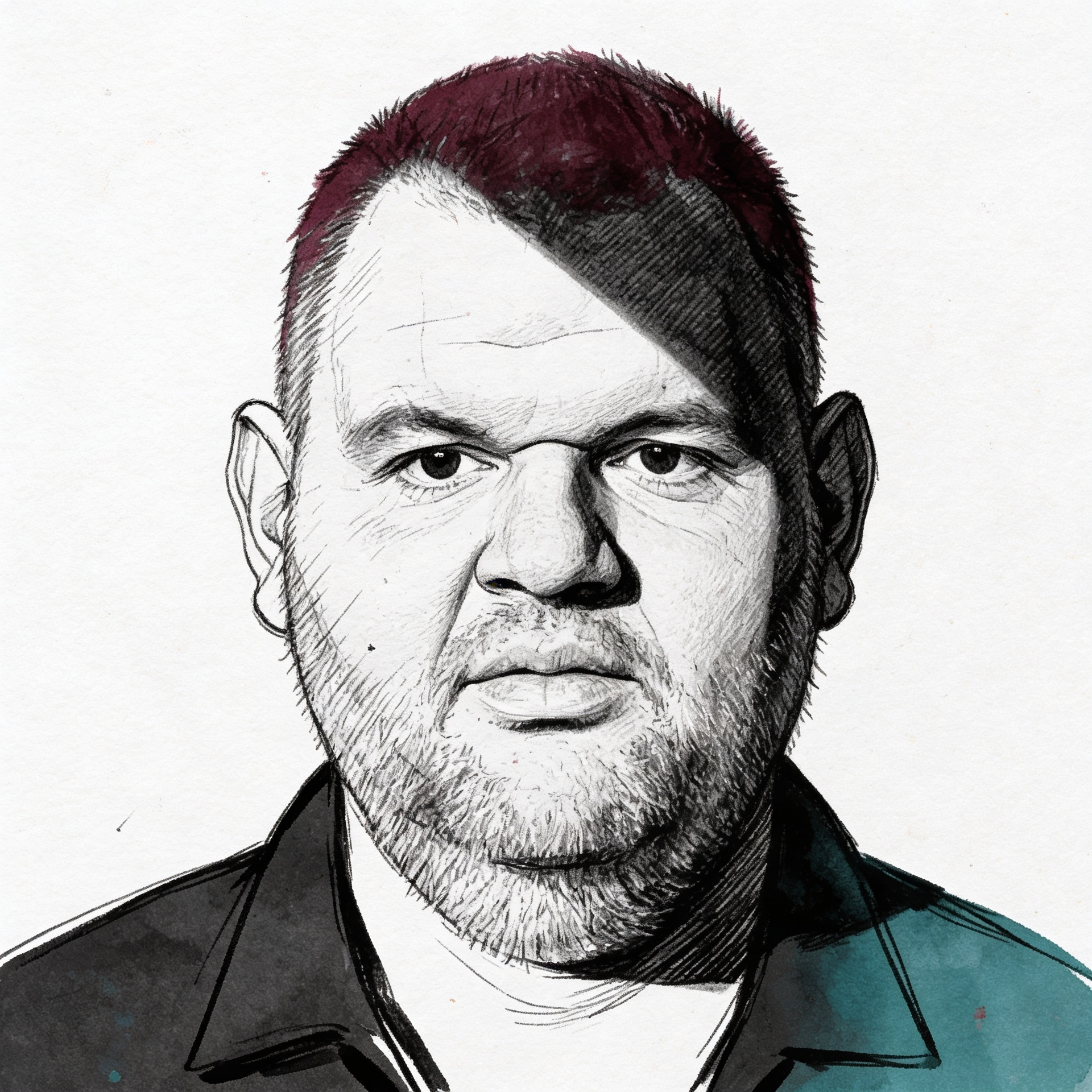
Delyan Peevski
Delyan Peevski is the leader of Bulgaria's Movement for Rights and Freedoms (MRF); Radev ruled out forming a government with him after the April 2026 election.
Last refreshed: 30 April 2026 · Appears in 1 active topic
Can Radev form a government without Peevski's MRF, and what happens if he can't?
Timeline for Delyan Peevski
Vazrazhdane crashes; Bulgaria's nomad permit holds
Nomads & CommunitiesBackground
Delyan Peevski is Bulgaria's most politically controversial oligarch and the effective leader of the Movement for Rights and Freedoms' New Vision (MRF-New Vision) faction in Bulgaria's Parliament. He has served as an MP repeatedly since 2005 despite multiple corruption allegations and was briefly appointed head of the State Agency for National Security (DANS) in 2013, a move that triggered mass street protests that toppled a government. Peevski was sanctioned by the United States Treasury under the Global Magnitsky Act in 2021 for alleged systemic corruption.
In the April 2026 election context, MRF-New Vision's vote share means it could hold decisive Coalition arithmetic in any government that requires its support. Rumen Radev, as PM-designate, has historically been strongly opposed to any arrangement that gives Peevski influence over government appointments or policy. The tension between the Coalition mathematics and Radev's stated anti-Peevski position is the central Bulgarian political complication to watch POST-election.
For nomads and international residents, Peevski is relevant primarily as a governance-risk signal: Bulgaria's Schengen accession (December 2024) and Eurozone accession (January 2025) substantially raised the country's appeal; Peevski's persistence in Coalition arithmetic is the structural governance caveat that EU institutions and investment-grade analysts consistently note.