Skip to content
Welcome, thoughtbot's Giant Robots listeners!Start here
CURV
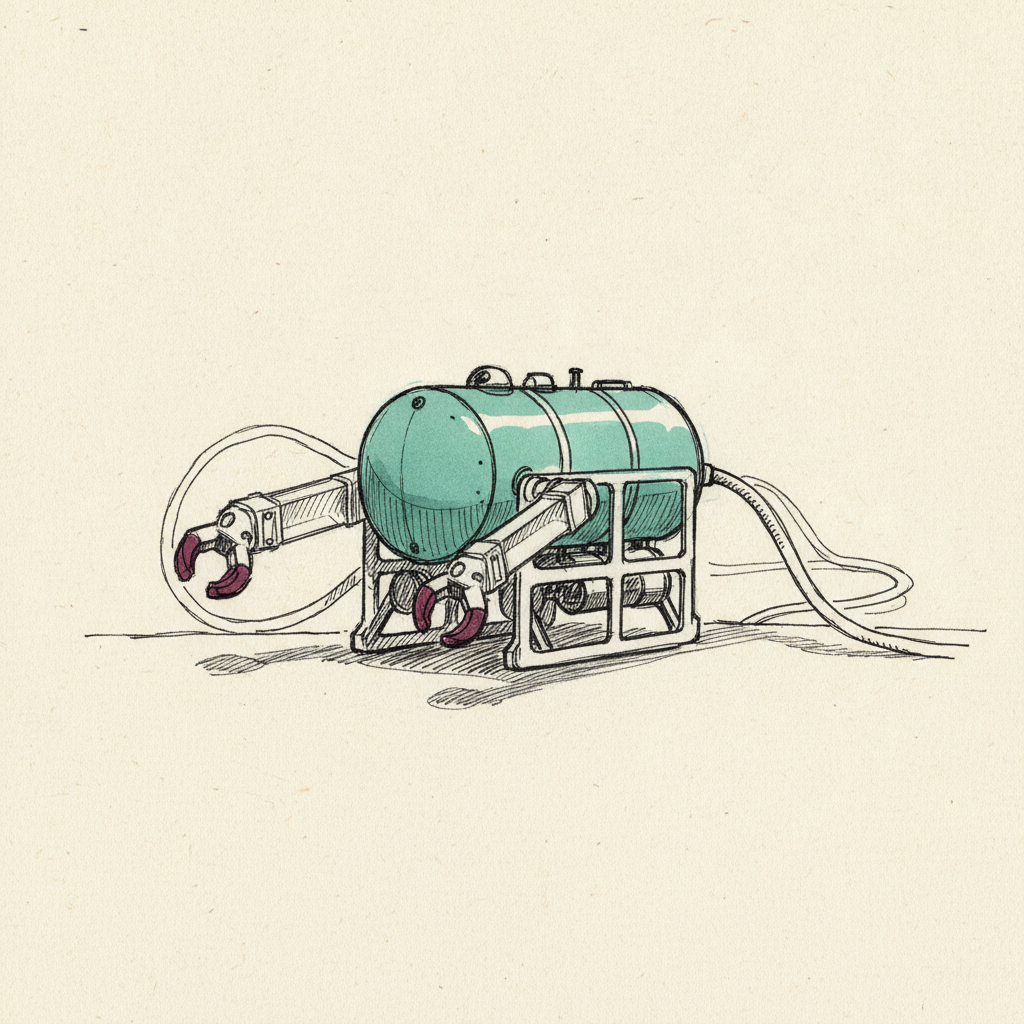
AI-generated illustration
TechnologyUS

CURV

US Navy Cable-controlled Underwater Recovery Vehicle of the 1960s

CURV, the US Navy's cable-controlled recovery vehicle, lifted a lost hydrogen bomb from 2,850ft off Palomares, Spain, in 1966, after the crewed submersible Alvin had failed.

Last refreshed: 7 October 2026

Timeline for CURV

#13 14 Sept
View full timeline →

Background

The US Navy developed CURV, the Cable-controlled Underwater Recovery Vehicle, in the early 1960s. The Naval Undersea Museum calls it the first successful underwater remotely operated vehicle. In 1966 CURV I lifted a hydrogen bomb from 2,850ft off Palomares, Spain, after the crewed submersible Alvin had failed. In 1973 CURV III carried out the deepest underwater rescue in history, freeing two men trapped in the submersible PISCES III at 1,575ft. The later CURV 21 is rated to 20,000ft.

Tethered vehicles such as CURV earned their place by doing jobs divers could not. Europe's 2026 purchases follow the same one-tool-one-task pattern, including Belgium's €9.87m award to Exail on 14 September for three mine-disposal systems bound for Ukraine.

CURV set the pattern for crewless vehicles working where people cannot.

Common Questions
What was the CURV underwater vehicle?
A US Navy cable-controlled recovery vehicle from the early 1960s, described as the first successful underwater remotely operated vehicle.Source: https://navalunderseamuseum.org/curv-iii/
How was the Palomares hydrogen bomb recovered?
CURV I lifted it from 2,850ft in the Mediterranean in 1966, after the submersible Alvin failed.Source: https://navalunderseamuseum.org/curv-iii/
What was the Pisces III rescue?
In 1973 CURV III freed two men trapped in the submersible PISCES III at 1,575ft, the deepest underwater rescue in history.Source: https://navalunderseamuseum.org/curv-iii/
Source Material