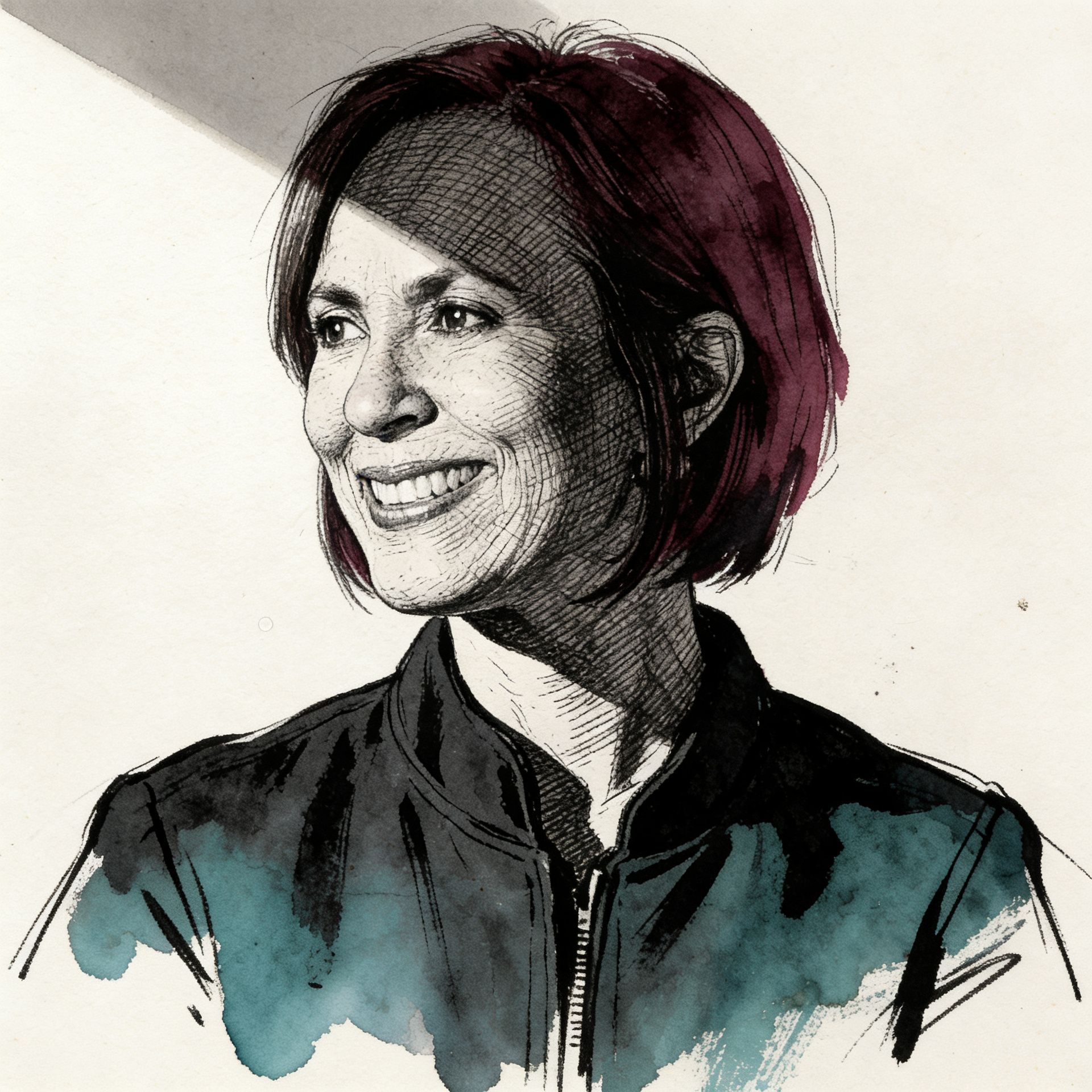
Barbara Pariente
Former Florida Supreme Court Justice cited as the authority on the Fair Districts Amendment's original intent.
Last refreshed: 19 May 2026
Can Barbara Pariente's Fair Districts precedents survive the DeSantis Callais nullification argument?
Timeline for Barbara Pariente
Florida judge weighs Fair Districts challenge
US Midterms 2026Background
Barbara Pariente served on the Florida Supreme Court from 1997 to 2019 and is cited in the current Fair Districts litigation as an authoritative interpreter of the amendment's original intent. She was the justice whose opinions established the binding precedent on how the Fair Districts Amendment restricts partisan gerrymandering in Florida. Those precedents are directly at issue in the Leon County Circuit Court proceeding before Judge Joshua Hawkes, where DeSantis's counsel argues that Louisiana v. Callais now nullifies them.
Pariente was appointed by Governor Lawton Chiles and served as Chief Justice from 2004 to 2006. She was one of three justices retained in the 2012 election when Governor Rick Scott orchestrated a campaign to remove her and two colleagues from the bench; all three were retained. She retired at the mandatory age of 70 in 2019. During her tenure she wrote or joined major opinions interpreting the 2010 Fair Districts amendments, which Florida voters passed as constitutional restrictions on partisan and racial gerrymandering.
Her cited authority is significant because the DeSantis argument attempts to unwind those precedents indirectly, via Callais, without directly seeking to overrule them. If Hawkes follows Pariente's precedents rather than the Callais nullification theory, the 24R-4D map faces a genuine legal threat before the 8 June qualifying window.
Who is Barbara Pariente and why does she matter to Florida redistricting in 2026?
What did Barbara Pariente rule on Florida's Fair Districts Amendment?
Did Rick Scott try to remove Barbara Pariente from the Florida Supreme Court?
Written with AI from Lowdown's published reporting. Not individually reviewed by an editor. Updated 19 May 2026. Editorial standards.