Should civilians be living this close to a nuclear research facility?
Timeline for Arad
IDF Admits Air Defence Failures at Dimona and Arad
Iran Conflict 2026Background
Arad became a frontline civilian casualty story in the Iran conflict on 4 April 2026, when Iranian ballistic missiles struck the city, injuring more than 100 people after the IDF's air defence systems failed to Intercept them. The IDF Air Defence Chief publicly acknowledged "mistakes" in the response, the first official Israeli admission of a systemic defence failure during the conflict. The strike made Arad the most significant domestic impact site since the campaign began.
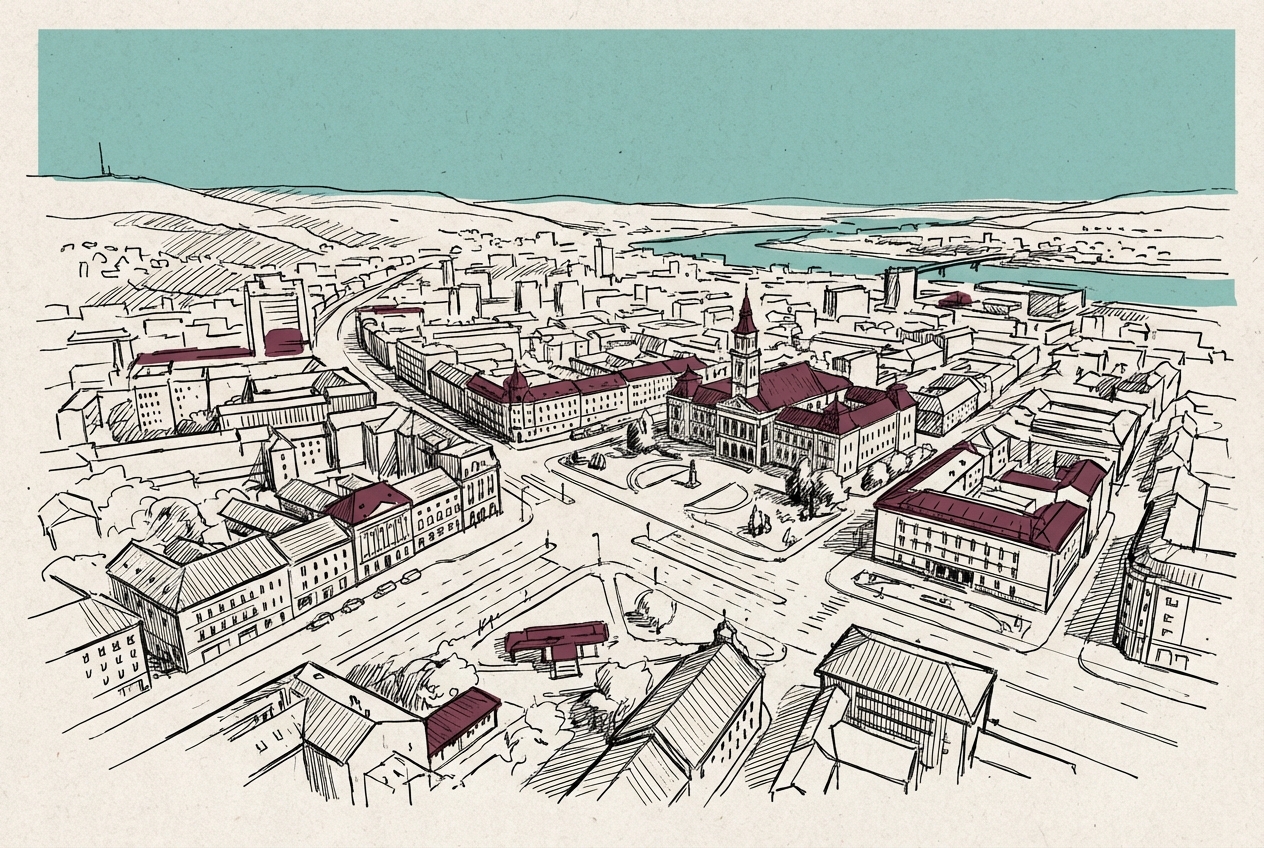
Arad is a city of roughly 27,000 residents in the northern Negev Desert, approximately 30 kilometres east of Beersheba and 22 kilometres from the Dimona Nuclear Research Centre, Israel's primary nuclear facility. Founded in 1962 as a planned development town, it sits on a plateau at 600 metres elevation and has a mixed Jewish and Bedouin Arab population. Its relative proximity to Dimona has always placed it inside any realistic blast radius calculation, though it has no direct military role itself.
The April 2026 strikes brought the question of civilian exposure near sensitive military and nuclear infrastructure into sharp focus. Dimona itself was also struck in the same wave, and the proximity of the two sites means that any future failure of Iron Dome or David's Sling over Arad carries radiological as well as conventional risk. The IDF admission of "mistakes" is likely to accelerate a political debate in Israel about whether population concentrations should be permitted within the envelope of critical nuclear sites with no dedicated civil evacuation plans.
How close is Arad to the Dimona nuclear plant?
What happened in Arad during the Iran conflict?
Did Israel admit its air defences failed at Arad?
Is Arad a military or civilian city?

