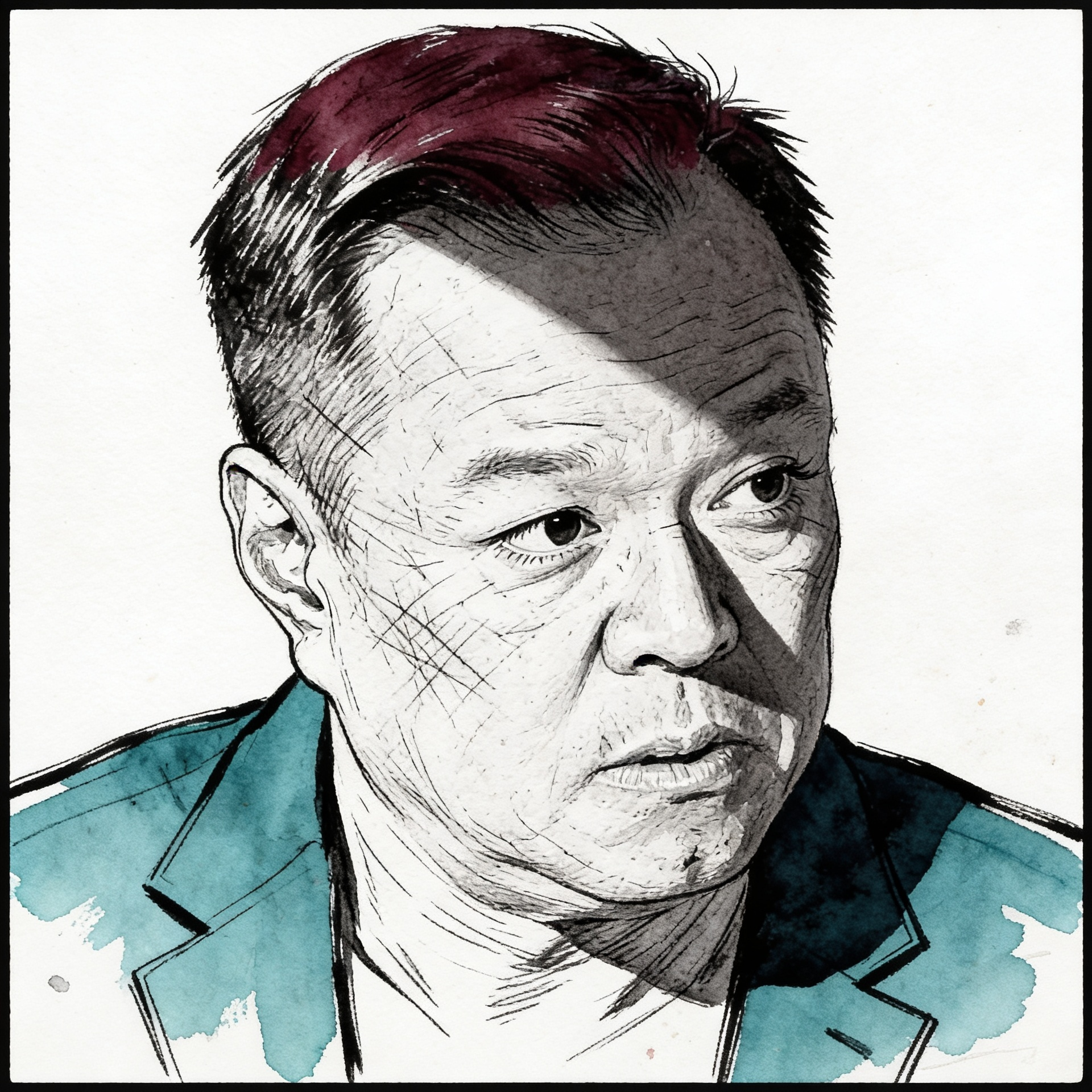
Anutin Charnvirakul
Prime Minister of Thailand; leader of the Bhumjaithai Party.
Thailand’s Cabinet approved a cut in Visa-free entry from 60 to 30 days on 19 May. As Prime Minister, Anutin Charnvirakul is tied to a policy shift affecting visitors from 93 countries.
Last refreshed: 24 September 2026 · Appears in 2 active topics
Why did Thailand's PM roll back 60-day visa-free entry in May 2026?
Timeline for Anutin Charnvirakul
Mentioned in: Thailand's 60-day visa window still open
Nomads & CommunitiesStated rationale for rollback on cabinet record, citing organised crime and nominee businesses
Nomads & Communities: Thailand halves its visa-free entry windowBackground
Anutin Charnvirakul is Prime Minister of Thailand and leader of the Bhumjaithai Party. His office makes him a central political figure in decisions that join domestic regulation to Thailand’s tourism policy.
The 19 May Cabinet decision on Visa-free entry shows the relevance of that role. Thailand approved a reduction from 60 to 30 days for 93 countries, while retaining the Destination Thailand Visa for longer stays.
As of 23 June, the change still awaited Royal Gazette publication and a 15-day notice period.
Anutin oversees visa access reversal
On 19 May, Thailand’s Cabinet approved reducing Visa-free entry from 60 days to 30 days for visitors from 93 countries. The decision places a more restrictive entry rule within Anutin Charnvirakul’s premiership, while leaving the priced Destination Thailand Visa as the longer-stay route.
The proposed reduction had not taken effect by 23 June. Three Interior Ministry announcements still required publication in the Royal Gazette, followed by 15 days’ notice, before the shorter allowance could begin. That gap left Anutin’s government with an announced policy whose practical effect remained pending.
Reference
Who is Anutin Charnvirakul and what party does he lead?
Recently resolved
What is the Destination Thailand Visa and is it affected by the 2026 change?
Why did Thailand's PM cut the 60-day visa-free period in 2026?
Why did Thailand's Prime Minister meet Google's Ruth Porat?
Is Anutin Charnvirakul still Prime Minister of Thailand?
Which party does Anutin Charnvirakul lead?


