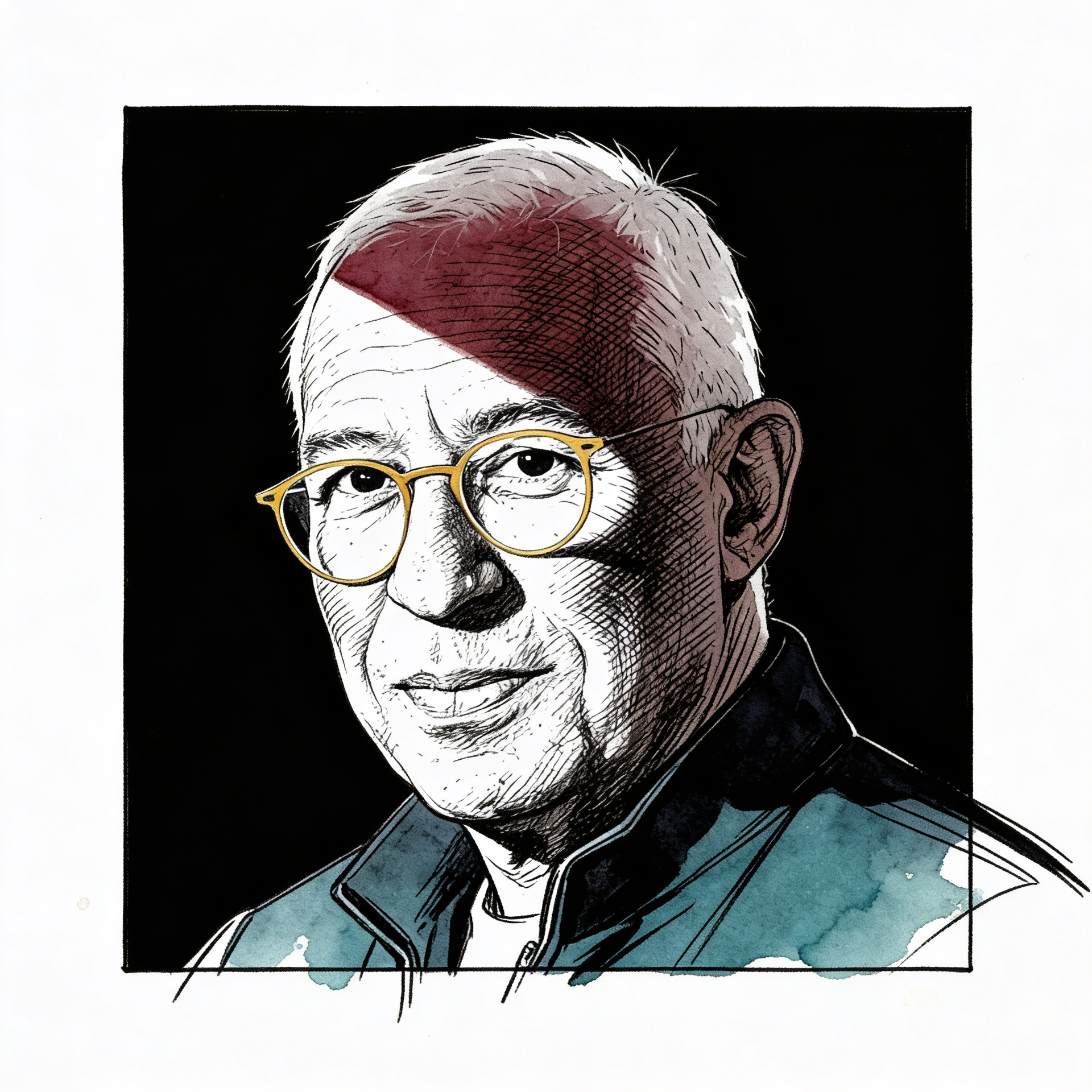
António Costa
President of the European Council since December 2024; chaired Cyprus summit on EU gas coordination.
Last refreshed: 27 April 2026 · Appears in 1 active topic
Why did Antonio Costa leave EU gas storage as a member-state problem in April 2026?
Timeline for António Costa
Kept public emphasis on Hormuz freedom of navigation at Cyprus summit
European Energy Markets: Cyprus Council endorses coordination, not mechanismMentioned in: EU approves €90bn Ukraine loan
Russia-Ukraine War 2026Mentioned in: 124m barrels of Russian crude freed
Russia-Ukraine War 2026Background
Antonio Costa became President of the European Council on 1 December 2024, succeeding Charles Michel. A Portuguese socialist politician, he served as Prime Minister of Portugal from November 2015 to March 2024, overseeing three election victories and one of Portugal's longest periods of stable centre-left government. His presidency at the European Council places him at the apex of EU heads-of-state summitry.
In April 2026 Costa chaired the informal European Council in Cyprus on 23-24 April, where leaders endorsed language on "closer coordination among members on refilling underground gas storage" but added no new injection mechanism to the AccelerateEU package. Costa and Commission President Ursula von der Leyen kept public messaging focused on Hormuz freedom of navigation and the clean energy transition rather than the storage shortfall.
Costa's role is to broker consensus among 27 heads of government; he holds no legislative power but shapes the Council's agenda for formal legislative sessions. His approach at Cyprus — coordination language without binding mechanism — is consistent with the Council's traditional preference for national flexibility over mandated EU-level intervention.
Who is Antonio Costa and what does the European Council president do?
What happened at the Cyprus European Council in April 2026?
Was Antonio Costa prime minister of Portugal before the EU?

