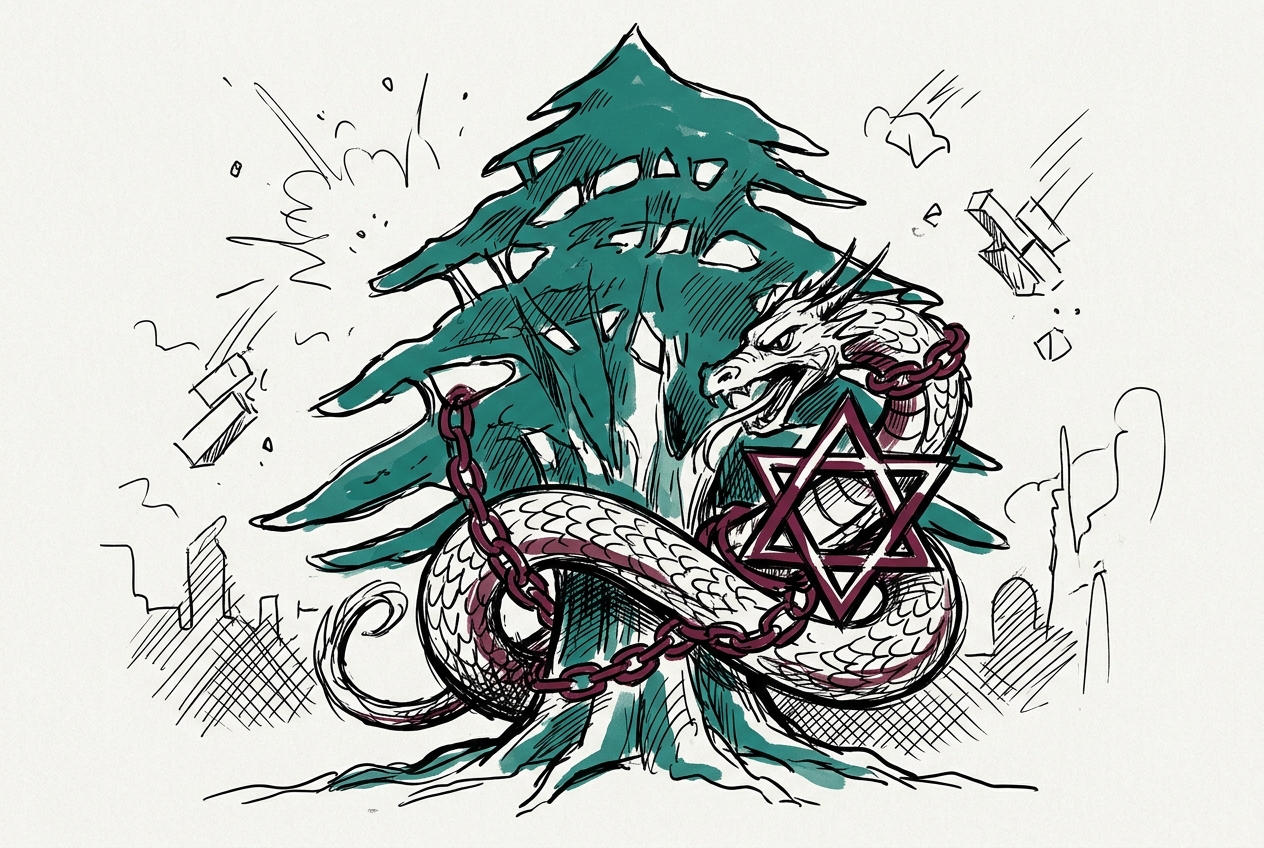
2006 Lebanon War
Thirty-four-day war between Israel and Hezbollah in 2006; historical precedent for current conflict.
On 17 March 2026, Israel deployed a second armoured division to southern Lebanon, its first such commitment since the 2006 Lebanon War, returning the 34-day conflict to the centre of the current campaign.
Last refreshed: 22 September 2026 · Appears in 1 active topic
Did the 2006 war prove military force cannot neutralise Hezbollah permanently?
Timeline for 2006 Lebanon War
Mentioned in: Israel raids Lebanon, loses a captain
Iran Conflict 2026Mentioned in: Hezbollah veto stalls the Iran-US deal
Iran Conflict 2026Mentioned in: Israel takes Beaufort Castle above the Litani
Iran Conflict 2026Mentioned in: South Korea pulls Iron Dome forward to 2029
Drones: Industry & DefenceMentioned in: Israeli strikes kill 14 north of Litani
Iran Conflict 2026Background
The 2006 Lebanon War was a 34-day conflict between Israel and Hezbollah, fought from 12 July to 14 August 2006. It began after a Hezbollah cross-border raid killed Israeli soldiers and captured two others. Israel answered with air operations and a ground offensive in southern Lebanon.
A Ceasefire took effect under UN Security Council Resolution 1701. The war caused extensive casualties and displacement in Lebanon, while Israel also suffered military and civilian losses. Hezbollah remained an armed force after the Ceasefire, so the conflict became a lasting reference point in Israeli and Lebanese assessments of military pressure in Lebanon.
Its relevance persists because later fighting is judged against its unresolved strategic question: whether a campaign can reduce Hezbollah's military capacity without creating another prolonged conflict in Lebanon. Israel's deployment of two armoured divisions on 17 March 2026 was the first such commitment since 2006.
The precedent shapes the front
On 17 March 2026, Israel sent its 36th Armoured Division into southern Lebanon alongside the 91st Galilee Division. The deployment was the first commitment of two Israeli armoured divisions inside Lebanon since the 2006 Lebanon War, making the earlier campaign a direct operational reference point.
The comparison also measures civilian disruption. By 18 March, Lebanon had recorded roughly 968 deaths and more than 1,049,000 displaced people, surpassing the displacement total associated with the full 34-day war in 2006 after 17 days of fighting. For this historical conflict, the current front tests whether a larger Israeli ground commitment can achieve an outcome that 2006 did not.
What was the 2006 Lebanon War?
Did the 2006 Lebanon War destroy Hezbollah?
How does the 2026 Israel-Lebanon conflict compare to 2006?
What was UN Resolution 1701?
How many people died in the 2006 Lebanon War?


