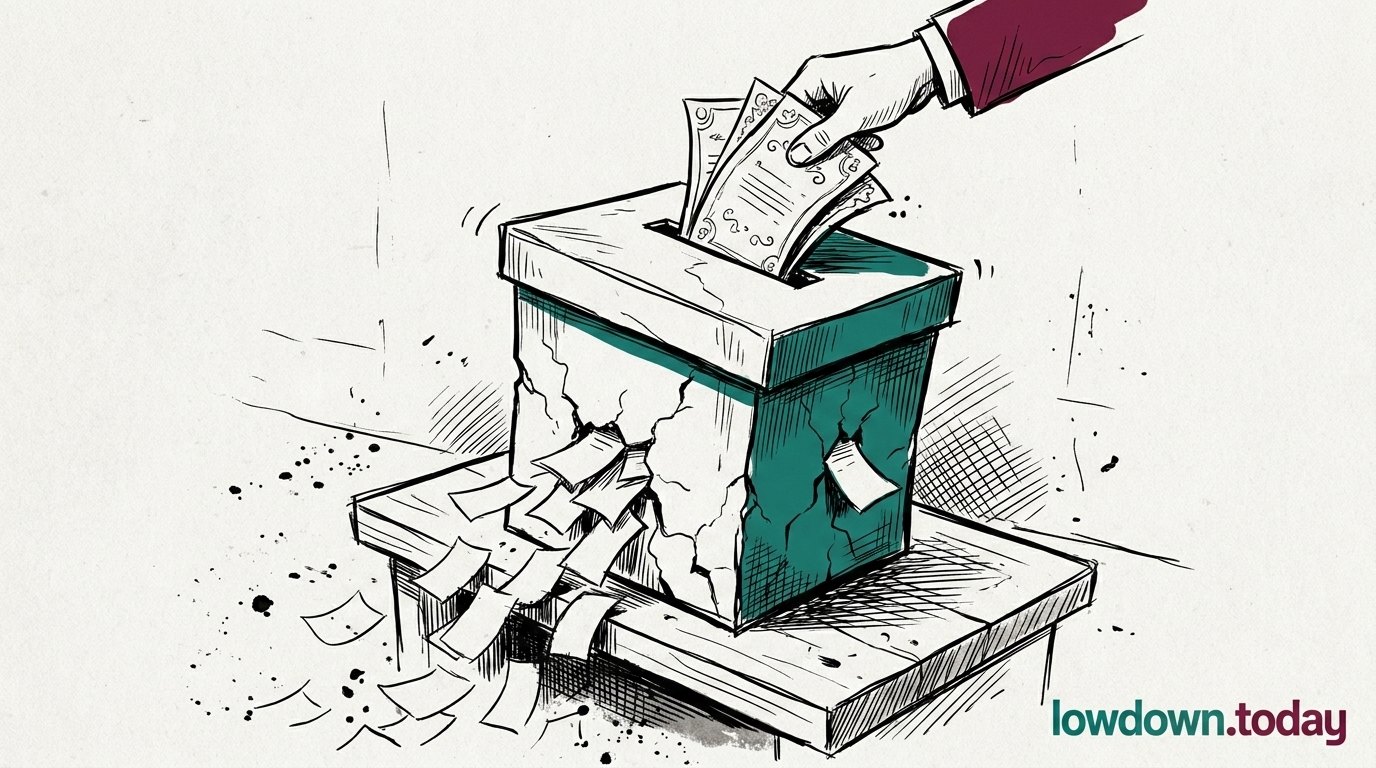
Mark Pack, the elections analyst whose running tally of councillor movements is the standard reference for them, counted 56 Reform UK councillors lost since the May 2026 local elections as at 3 August1. The same count stood at roughly 40 on 2 July. Pack splits the figure two ways: 31 were elected in May 2026 or later, and 25 joined the party before May and left afterwards.
Pack's case rests on comparison, not on the raw number. "What's different about Reform is that the proportion of its councillors that the party is losing is so very unusually high compared to other parties that it's a story in itself," he wrote2. The rival explanation, that any landslide sweeps in untested people and sheds some of them, is precisely what a comparison against other parties at the same stage is built to test.
All 56 left by defection, suspension or resignation. No voter removed any of them. Restore Britain, the party to Reform's right that holds seven seats on Kent County Council after a bloc defection in February, took four3, and the councils with several departures apiece include Wakefield, Sheffield, Thurrock, Worcestershire and County Durham. Group sizes govern committee places and scrutiny chairs, so attrition on this scale reallocates who runs a council's business without a single vote being cast.
The tally already lags events. One further councillor has left since Pack's 3 August cutoff, and one who went in June has since joined another party. Reform is governing while it loses people: in Havering, the first London borough it controls, leader Cllr Keith Prince, a London Assembly Member (AM), put a plan to Full Council on 22 July whose stated priorities are stabilising the council's position, setting a long-term roadmap and delivering visible improvements4.


