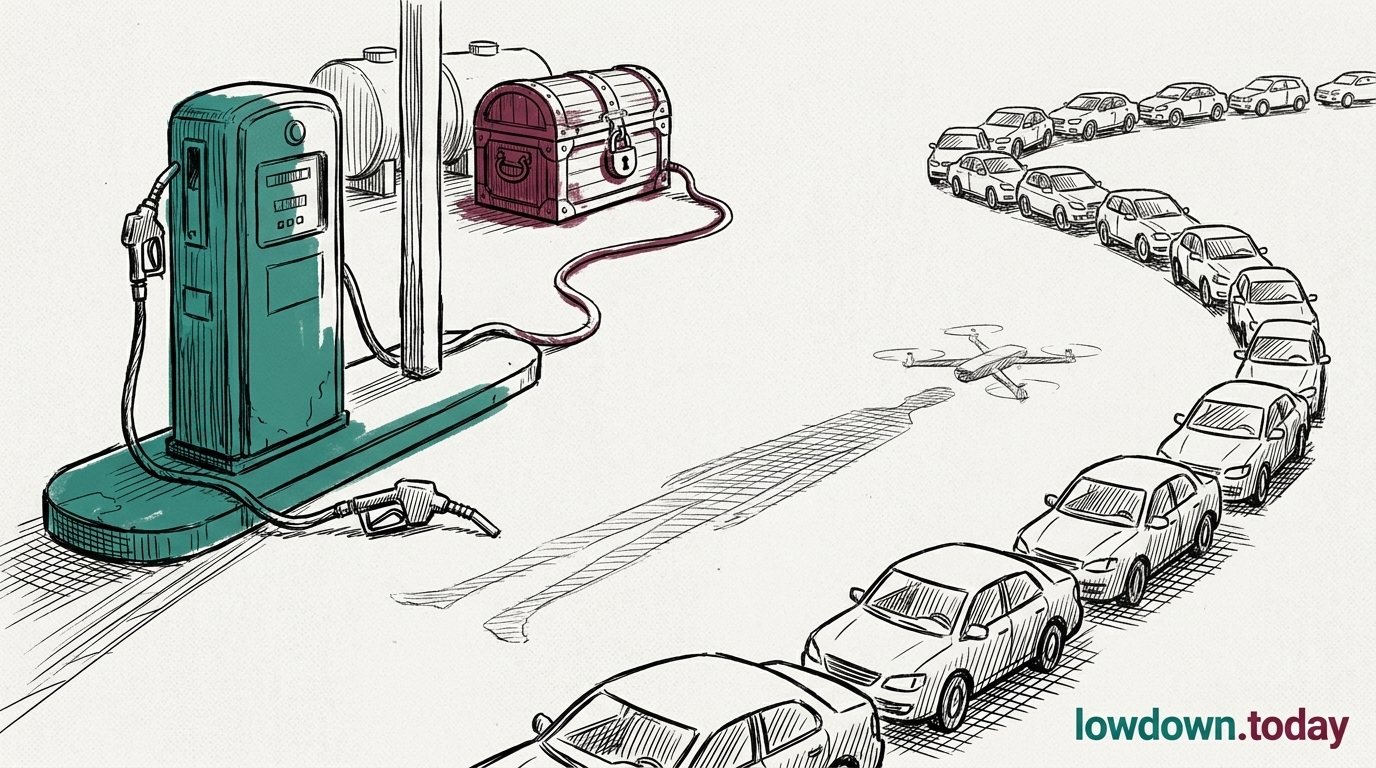
The IEA, IMF, and World Bank issued a joint statement on 4 April calling the conflict "one of the largest supply shortages in global energy market history," with impact described as substantial, global, and highly asymmetric.1 Three coordinated actions were announced: data sharing, targeted policy advice with concessional financing, and stakeholder mobilisation. No specific numerical commitments were made.
Emily Holland at War on the Rocks calculated that American households face $857 more in petrol costs if the Hormuz disruption continues through April.2 Analysts warned $150 per barrel is possible if the strait stays closed another month. Brent crude had already risen to $109.24 after the 40-nation summit produced no steps. The joint statement puts institutional weight behind what oil markets have been pricing in for weeks, but it offers no mechanism to change the supply picture.





