Skip to content
Welcome, thoughtbot's Giant Robots listeners!Start here
Is Britain Actually Broke?
22OCT

Triple lock now costs triple the forecast

3 min read
16:23UTC

The OBR now costs the state pension triple lock at £15.5bn a year by 2029-30, against the £5.2bn originally projected. The figure reaches us through IFS commentary rather than an OBR release.

EconomicAssessed
Key takeaway

The triple lock is costing three times its original projection because it compounds the best of three measures annually.

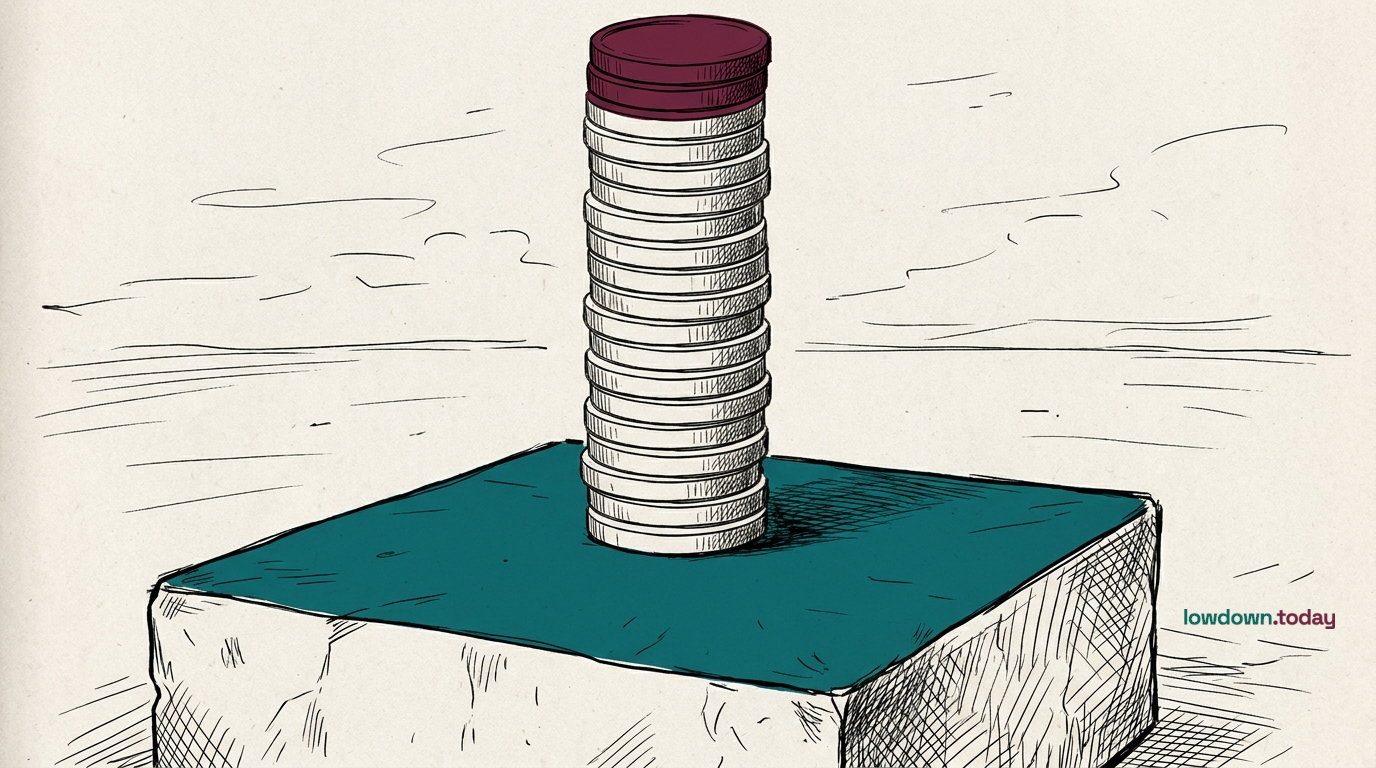
The Office for Budget Responsibility now costs the State pension triple lock at £15.5bn a year by 2029-30, against an original projection of £5.2bn, roughly three times the figure the policy was signed off against⁠1. The triple lock raises the state pension each year by whichever is highest of inflation, average earnings growth or 2.5%. Choosing the maximum of three measures annually compounds, and a policy that ratchets upward in every year regardless of which measure wins costs far more over a decade than any single one of them would.

One provenance note. That costing reaches this register through Institute for Fiscal Studies analysis rather than read directly from an OBR release, and it wants a direct check against the OBR's own welfare trends or fiscal risks reporting before it hardens into a settled figure in this table.

The same demographic pressure runs through the rest of the spending side, and the health settlement shows how it is being absorbed. The Department of Health's 2026-27 settlement is a 0.9% real increase to £8.5bn, with the cost of the 3.3% pay award paid in February 2026 deducted from it⁠2. The 2026-27 settlement therefore absorbs the 2025-26 pay award before it funds anything new. That is the pattern worth watching across pre-committed claims generally: they are not being reduced, they are being met by squeezing whatever in the same department is discretionary, and the discretionary items are usually buildings, equipment and staffing headroom.

Deep Analysis

In plain English

The State pension triple lock is a promise that the basic state pension rises every year by whichever is highest: inflation, the growth in average wages, or 2.5%, whichever number is biggest that year. When it was introduced in 2010, the government estimated it would cost about £5.2bn a year by the end of this decade. The Office for Budget Responsibility now estimates it will actually cost £15.5bn a year by 2029-30, roughly three times that original estimate, because inflation and wage growth have both spiked higher than expected in several of the years since.

Deep Analysis
Root Causes

The triple lock guarantees the state pension rises by whichever is highest of inflation, average earnings growth, or 2.5%, a ratchet that by design tends to overshoot in most years rather than track a single, more moderate measure; the original 2010 costing assumed the three figures would rarely diverge sharply, an assumption that has not held.

An ageing population compounds the mechanism: the same demographic pressure driving triple lock costs upward also runs through NHS settlements and social care, so a policy fix aimed only at the triple lock formula addresses one symptom of a wider demographic cost pressure rather than the underlying driver.

What could happen next?
  • Consequence

    A cost tripling from its original estimate makes the triple lock a recurring target for reform proposals from fiscally-focused think tanks, even though reversing or weakening it has proved politically difficult in practice since 2010.

First Reported In

Update #1 · The distress moved from banks to councils

Institute for Fiscal Studies· 27 Jul 2026
Read original →
Causes and effects
This Event
Triple lock now costs triple the forecast
A claim that grows with demography is outrunning its own forecast by a factor of three, and the tax base underneath it is growing at 1.1%.
Different Perspectives
Pension Protection Fund
Acting chief actuary Aaron Pang put the rise to 135.0% funded down to liabilities falling 2.1% against a 1.0% fall in assets, reflecting higher gilt yields. On Lowdown's reading, the yields that lift the Treasury's interest bill leave 4,838 company schemes with a £280.7bn surplus that does not reduce state borrowing.
Torsten Bell
Torsten Bell
The Labour figure wrote on 14 October that the IMF's October figures show the fastest fiscal consolidation in the G7. The IMF forecasts the UK deficit falling from 3.8% of GDP in 2026 to 1.4% in 2031, a squeeze still to be delivered through taxes and spending.
Tax Justice UK
Tax Justice UK
The left-leaning campaign group says ten tax reforms would raise over £60bn a year for public services, and on 22 October asked why higher taxes on extreme wealth remain politically difficult. It offers the tax-led exit to the IEA's cuts; the £60bn is its own claim, not an official costing.
Institute of Economic Affairs
The free-market think tank's Alternative Budget of 19 October would suspend the state pension triple lock for three years, freeze welfare in cash terms and move tax onto a wider VAT. It claims the day-to-day budget returns to surplus in 2027-28, its own projection rather than an official costing.
Resolution Foundation
The living-standards think tank said welfare spending ran about £2.5bn above expectations in September, City AM reported on 21 October, and its economist Greg Thwaites urged targeted energy support. Its figure lands as a Chancellor who calls welfare cuts a moral duty finalises the 28 October Budget.
Institute for Fiscal Studies
Director Helen Miller said a steady-as-she-goes Budget is not an option, with the IFS putting 2029-30 headroom at about £20bn, The Independent reported on 12 October. The IFS puts the cost of avoiding cuts and funding higher defence at around £35bn of tax rises or benefit cuts, more than any headroom estimate in circulation.

Written with AI from Lowdown's published reporting. Not individually reviewed by an editor. Editorial standards.