Skip to content
Briefings are running a touch slower this week while we rebuild the foundations.See roadmap
Iran Conflict 2026
29APR

Arrow-3 81% gone; full depletion looming

2 min read
09:17UTC

RUSI projected Arrow-3 stocks fully exhausted by end of March, with $26 billion spent on 11,294 munitions in the first 16 days alone.

ConflictDeveloping
Key takeaway

Israel may have entered April without its primary ballistic missile defence shield.

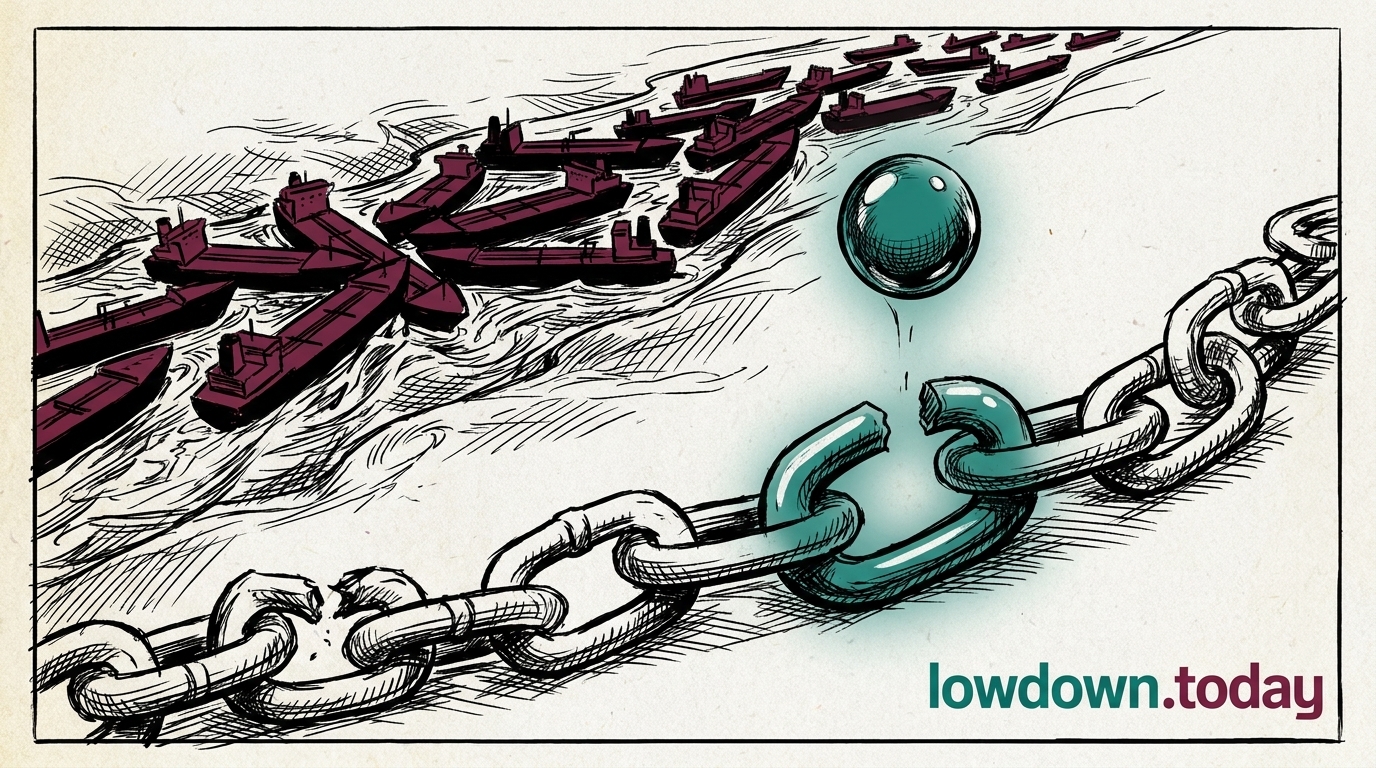
The Royal United Services Institute projected that Israel's Arrow-3 interceptor stocks were 81.33% depleted by 26 March and would be fully exhausted by the end of the month. 1 In practical terms, fewer than one in five of Israel's pre-war upper-tier interceptors remained five days ago. The US THAAD system faces similar pressure, with stocks potentially exhausted within one month at current expenditure rates.

The cost figures behind the depletion expose a structural asymmetry. The US-Israel coalition fired 11,294 munitions in the first 16 days at an estimated cost of $26 billion. At that rate, the unfunded $200 billion supplemental request covers roughly four months of operations. The interception rate held at 92%, but Iran's missiles cost a fraction of the interceptors that destroy them. By RUSI's estimate, Iran spends roughly $1 for every $10 the coalition spends to counter it.

Replenishment takes years, not months. Arrow-3 production depends on complex supply chains and specialist components. Iran's deployment of a cluster warhead on the same day may reflect awareness that the defence gap is imminent. If RUSI's projection held, Israel entered April with no upper-tier missile defence. The next cluster warhead arrives into open sky.

Deep Analysis

In plain English

Israel's main defence against long-range Iranian missiles is called Arrow-3. Think of it as a very expensive interception system that shoots down incoming missiles before they land. Each interceptor missile costs several million pounds. RUSI, a respected British defence think tank, estimated that by 26 March, roughly four in five of Israel's pre-war supply had been used up. The projection was that the last ones would be fired by end of March. Replacing them takes years, not weeks. Iran's missiles cost far less to build than the interceptors that destroy them. Iran fired 1 for every £10 spent defending against it. If the shield is empty, Iranian missiles arrive undefended.

What could happen next?
  • Risk

    If Arrow-3 stocks are genuinely exhausted, Iran's ballistic missiles arrive uncontested at Israeli cities, and THAAD becomes the sole remaining upper-tier defence with its own stocks draining.

    Immediate · 0.75
  • Consequence

    The cost-exchange ratio forces a strategic choice: continue operations at $800 million per day with no replenishment path, or negotiate before the THAAD gap similarly opens.

    Short term · 0.8
  • Consequence

    Arrow-3 depletion removes the deterrent value of the interception system; Iran's operational calculus on strike tempo changes immediately.

    Immediate · 0.8
First Reported In

Update #53 · Trump drops Hormuz goal; toll becomes law

Defence Security Asia (citing RUSI)· 31 Mar 2026
Read original
Causes and effects
This Event
Arrow-3 81% gone; full depletion looming
If the projection held, Israel entered April without upper-tier ballistic missile defence for the first time since the system became operational.
Different Perspectives
International human rights monitors (NetBlocks, IHR, Hengaw)
NetBlocks recorded 1,704 cumulative hours of near-total internet blackout for roughly 90 million Iranians on Day 74, while IHR documented ongoing executions under emergency provisions. These organisations are the only active monitoring windows into a civilian population cut off from the global internet for 71 consecutive days.
UK / France coalition
The Royal Navy confirmed HMS Dragon's Hormuz deployment on its own website on 11 May, converting a press-reported presence into declared force posture; UK and French defence ministers hosted a coalition meeting the same day. Britain and France are now the only named contributors to a Hormuz escort mission all five allies Trump originally asked had declined.
Saudi Aramco / Gulf producers
Saudi Aramco CEO Amin Nasser warned on 11 May that a Hormuz closure could remove 100 million barrels of weekly supply from global markets (roughly 15 million barrels per day for a week), a figure that dwarfs any OPEC+ swing capacity. The warning functions as both a price-floor signal and a public pressure on Washington to protect transit.
Beijing / Chinese Government
China has not publicly acknowledged the four Hong Kong-registered entities designated on 11 May or extended MOFCOM's Blocking Rules cover to HK-domiciled firms. Xi Jinping hosts Trump on 14–15 May having already de-risked state-bank balance sheets via NFRA's quiet loan halt, entering the summit partially compliant before any negotiation.
Tehran / Iranian Government
Foreign Minister Araghchi described Iran's 10-point counter-proposal as 'reasonable and responsible' via spokesman Baqaei on 11 May, and widened the mediator pool by meeting Turkish, Egyptian, and Dutch counterparts in a single day. Tehran is buying procedural runway while Trump's verbal rejection went unmatched by any written US counter.
Trump White House
Trump White House
Trump called the ceasefire 'on massive life support' and dismissed Iran's 10-point counter-proposal as 'a piece of garbage' on 11 May, while departing for Beijing two days later with no signed Iran instrument to show Congress. The verbal maximum and the paper void coexist: the administration is running a legal pressure campaign through Treasury while the president free-lances the rhetoric.