Skip to content
You can now search across every topic, entity and event.What's new
Iran Conflict 2026
31JUL

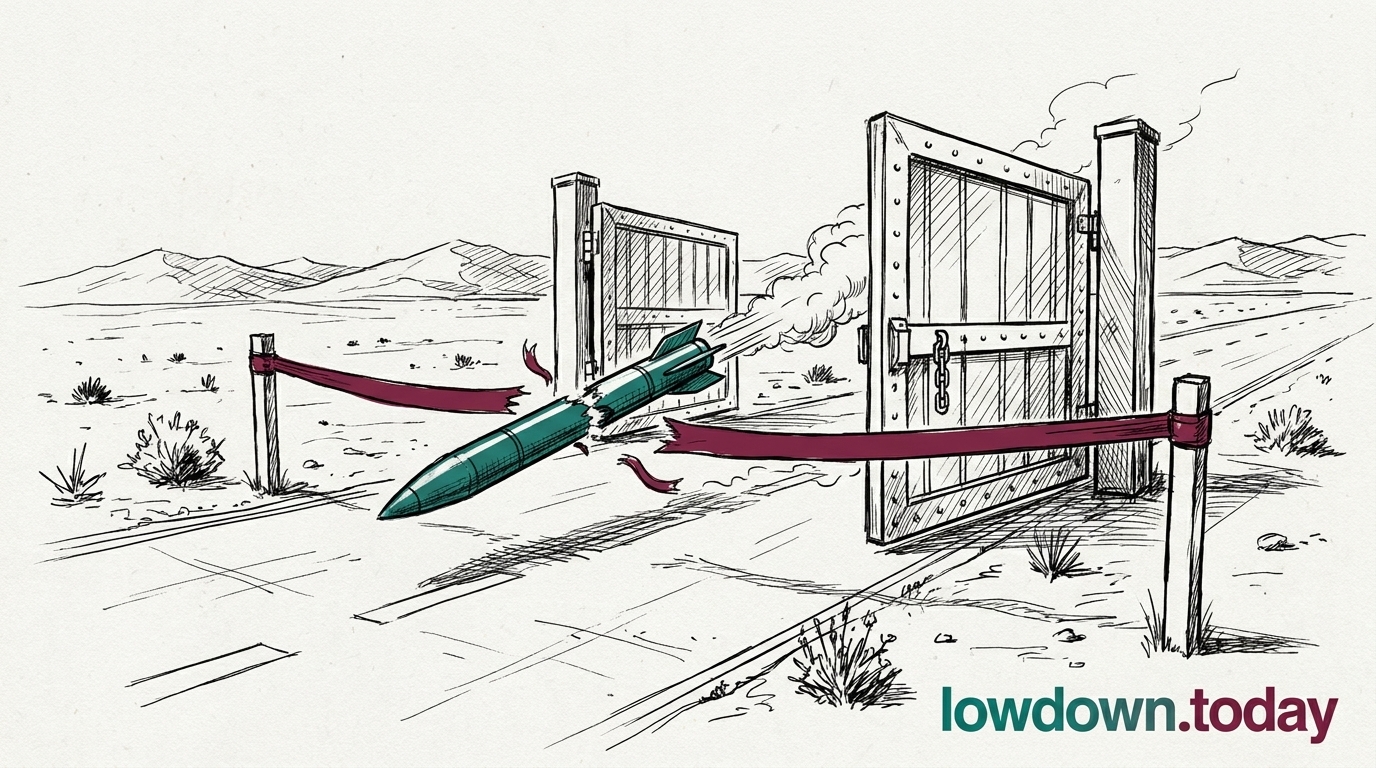
Israel's Lebanon security zone goes live

1 min read
09:24UTC

Four IDF divisions occupy a 30km strip while Hezbollah sustains 3,500 strikes; the toll passes 1,000.

ConflictAssessed
Key takeaway

Israel establishes its deepest Lebanon presence since 1982 while Hezbollah maintains a daily rate four divisions cannot suppress.

Israel's 30-kilometre security zone south of the Litani River is now operational. The Israel Defense Forces (IDF) ordered evacuations in 50 villages across southern Lebanon and the Beqaa Valley on Tuesday. Defence Minister Israel Katz issued blanket notices for Beirut's southern suburbs: Bourj el-Barajneh, Hadath, Haret Hreik, and Chiyah. Amnesty International condemned the orders as "overly broad" and "sowing panic" 1.

1,072 people have been killed and 2,966 wounded in Lebanon since 2 March . Thirty-three died in the past 24 hours. Hezbollah has fired 3,500 missiles and drones at Israel since the escalation, roughly 145 per day. Four IDF divisions operating inside Lebanon have not suppressed that rate.

Northern Command officers told reservists to prepare for operations lasting until at least May. The last time Israel held this territory, it stayed for 18 years.


Deep Analysis

In plain English

Israel is occupying a 30km strip of southern Lebanon. The last time Israel held this territory, it stayed for 18 years. Meanwhile, Hezbollah fires roughly 145 rockets at Israel every day, and four Israeli divisions have not stopped them.

Deep Analysis
Escalation

The zone is a de facto occupation. If it persists, Lebanon becomes a secondary front draining resources from Iran.

What could happen next?
  • Consequence

    Zone may persist months based on operational timeline

  • Risk

    Hezbollah's rate suggests prolonged guerrilla resistance

First Reported In

Update #48 · Iran rejects ceasefire; Kharg fortified

Al Jazeera· 26 Mar 2026
Read original
Causes and effects
This Event
Israel's Lebanon security zone goes live
Israel's deepest military presence since 1982-2000 occupation, while Hezbollah retains significant operational capacity.
Different Perspectives
Shipping and insurance underwriters
Underwriters can price Houthi strikes because the group announces its targets, but an unclaimed drone at Damietta and a mandatory Iranian insurance scheme both deny them a pattern to price against. War-risk premiums are increasingly being set by the absence of a claimant, not the scale of the damage.
Jordan
Jordan
Azraq absorbed its fourth Iranian strike in seven weeks, again drawing no direct Jordanian retaliation, only an American one. Amman's exposure, hosting US basing without the Patriot density of Gulf allies, has not changed even as the war around it widens.
Houthi movement
Houthi movement
The Houthis' 20 July blockade of Saudi-linked shipping is the injury Riyadh's new 43-nation coalition directly answers, yet the group itself was never asked to join and remains outside every proposal on the table. Sanaa-aligned commentators call the coalition a paper reassurance for insurers rather than a deployable force.
Egypt's Cabinet
Egypt's Cabinet
Egypt confirmed the Damietta blaze was an attack, not an accident, on soil the war had never touched before. Cairo now faces an unclaimed threat to a facility supplying roughly 7% of its domestic gas, with no author to hold accountable and no pattern yet to defend against.
Oman
Oman
Muscat is running the only channel Iran will use, a voluntary Hormuz fee modelled on Malacca, but stayed out of Saudi Arabia's new naval coalition entirely. Oman's mediating leverage depends on treating Hormuz as shared and non-exclusive, the opposite of what Tehran is now demanding of it.
Iraq's Prime Minister
Al-Zaidi cancelled his first official Riyadh visit and convened the Coordination Framework, the coalition that keeps him in power and whose factions sit inside the PMF that Saudi jets just struck. He is caught between a five-year Saudi investment relationship and armed groups inside his own state he does not fully control.


