Skip to content
You can now search across every topic, entity and event.What's new
Iran Conflict 2026
28JUL

OFAC clears 18 duplicates from the list

1 min read
09:28UTC

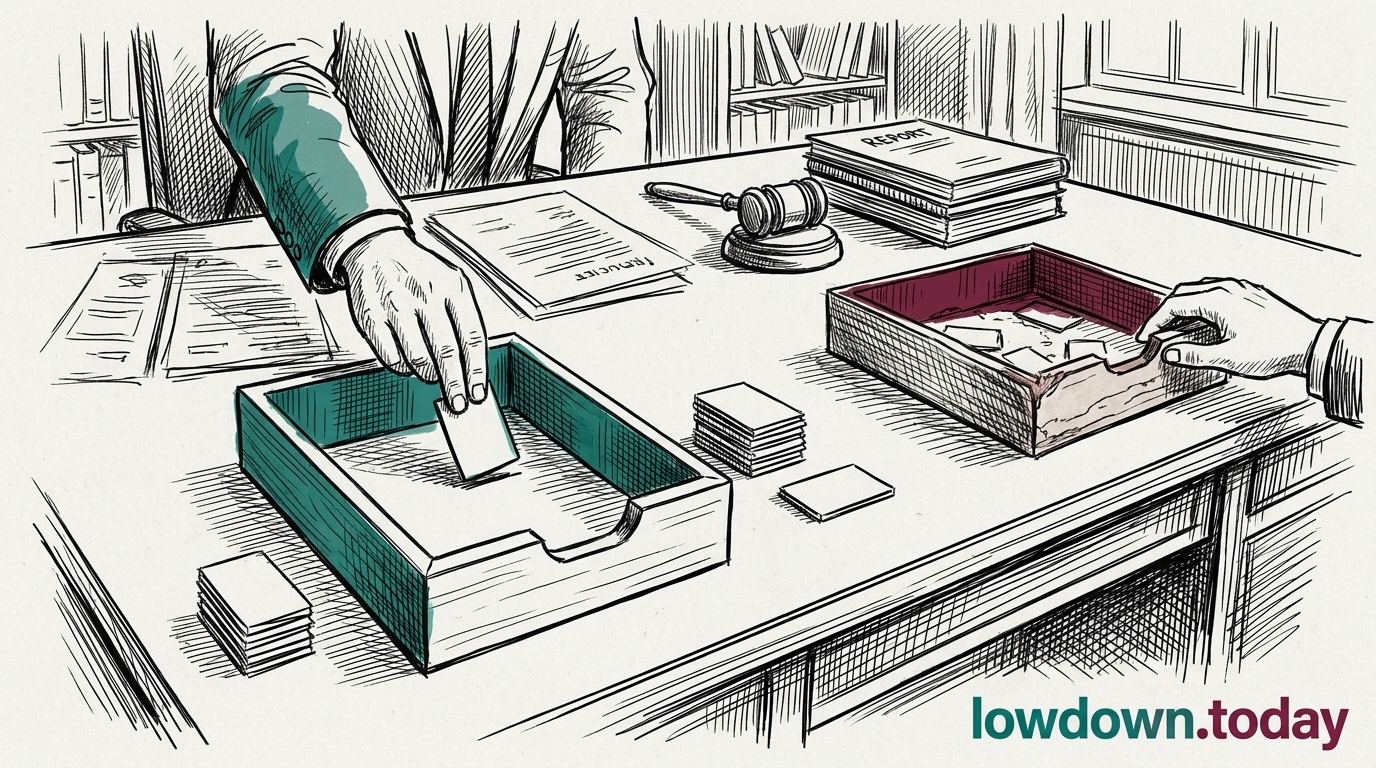
The Office of Foreign Assets Control removed 18 duplicate entries from the US sanctions list on 27 July. The underlying designations are unchanged.

ConflictDeveloping
Key takeaway

OFAC deleted 18 duplicate sanctions records on 27 July; every designation behind them stands.

The Office of Foreign Assets Control (OFAC), the US Treasury unit that administers American sanctions, removed 18 duplicate entries from its Specially Designated Nationals list on Monday 27 July as part of a modernisation exercise1. Every underlying designation stays in force2.

The SDN list is the register banks, insurers and shipping brokers screen against before they move money or accept cargo, and duplicates in it produce false matches that compliance teams then have to clear by hand. Removing them changes what a screening engine returns; it changes nothing about who is sanctioned.

The distinction is worth holding onto in a week when a delisting could be read as a concession. Treasury designated a network of Iranian firms linked to the oil trader Babak Zanjani under Executive Order 13902 on 24 July ; that was policy, aimed at named companies. Deleting duplicate rows three days later is maintenance on the register those designations sit in.

Deep Analysis

In plain English

The US Treasury's Office of Foreign Assets Control, the agency that manages sanctions lists, removed 18 duplicate entries from its Iran-related sanctions list on 27 July. This was routine list cleaning, not a policy change: the people and entities still under sanctions remain sanctioned, only the duplicate paperwork entries were deleted.

First Reported In

Update #163 · Pentagon puts four dead back, renames war

US Treasury Office of Foreign Assets Control· 28 Jul 2026
Read original
Different Perspectives
Iran's Supreme Leader's office and Iranian households
A letter published through state media named Lebanon's territorial integrity and an end to Israeli operations there as the war's ending condition; the same week, spokesperson Mohajerani cut the subsidised petrol ration from 70 to 50 litres a month. Iranian agencies still disagree on who inside the office signed the letter.
Oman
Oman
Muscat proposed a voluntary-funded coalition to police Hormuz, the corridor its own coastline gives it standing to manage, while Iran wants control and toll rights over shipping and Washington insists on free navigation. Oman's remit stops at the strait; it has no comparable claim over Iraq, the Caspian, or Lebanon.
Kyiv
Kyiv
President Volodymyr Zelenskyy confirmed the Caspian strike on an Iranian vessel carrying military cargo from Russia's Astrakhan region, opening a front that ties Iran's war to its supply relationship with Moscow rather than to anything the Gulf mediators are discussing.
Riyadh
Riyadh
Maj Gen Turki Al Malki named Iraq as the launch point for drones intercepted over the Eastern Province and Riyadh, the first time this war has reached Saudi Arabia from that direction rather than from Yemen. Nothing landed, but a second launch geography aimed at Saudi oil now exists alongside the Houthi front.
Baghdad
Baghdad
Iraq's Foreign Ministry summoned its own ambassador in Riyadh after Saudi Arabia's Defence Ministry said the drones came from Iraqi territory, while the same day drones struck Iranian-Kurdish opposition camps inside Iraq. Baghdad is disowning attacks it did not launch from territory it does not fully control.
The Pentagon and Congress
Acting press secretary Joel Valdez attributed the toll's reversal to site anomalies, the same explanation the department gave for the opposite cut on 24 July; Representative Thomas Massie called the category change an absurd ruse designed to reset the war's legal clock. Neither side agrees on which explanation, or which war, is real.