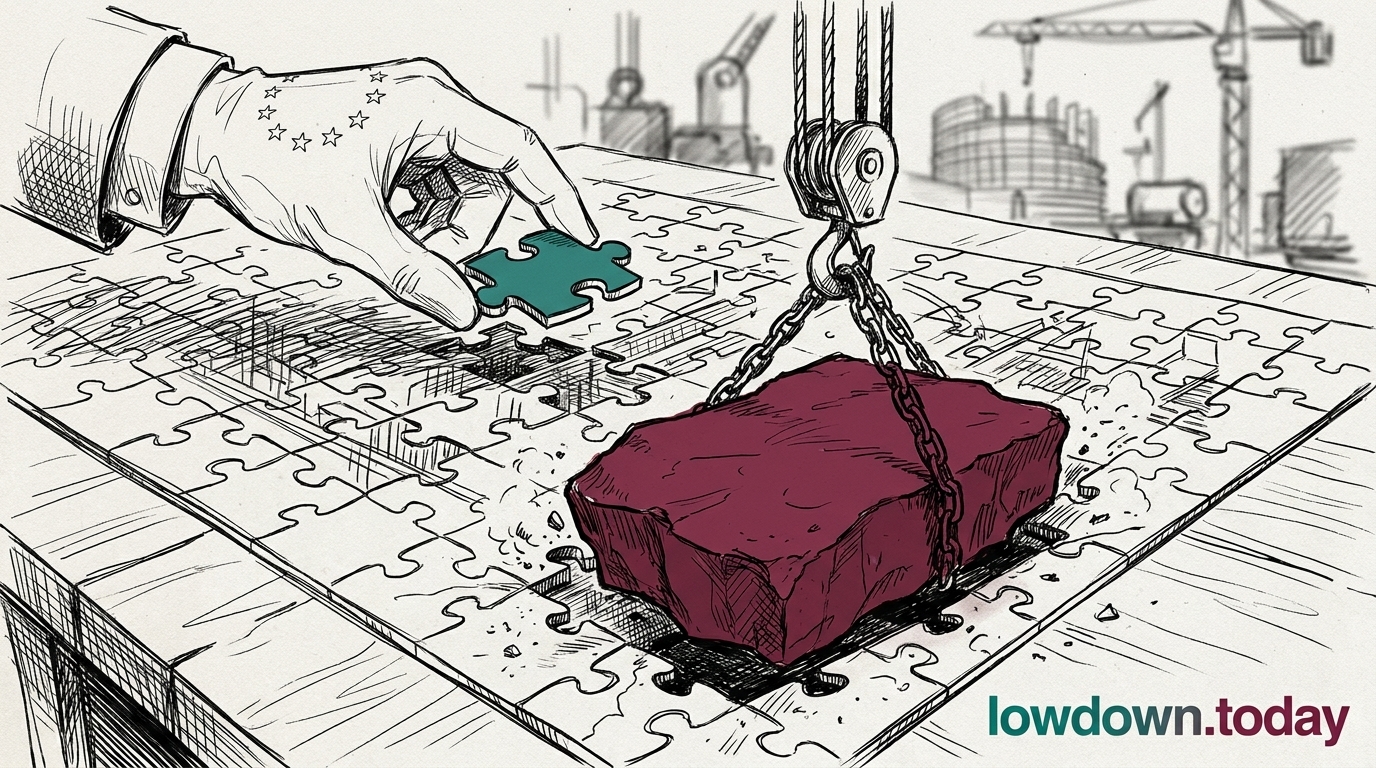
France and Germany used the VivaTech conference in Paris on 17 June to publish a shared definition of what "digital sovereignty" means, the thing the debate had so far lacked. The two governments set out six dimensions, from legal enforceability and data protection to a preference for EU providers, open source and sovereign computing, and relaunched their Franco-German Future Works platform to catalogue sovereign alternatives and map where Europe is most exposed.
Paris put money behind the words. On 19 June 2026, France launched the third phase of Tibi with €13bn of institutional commitments for investment through 2032. Half is earmarked for quantum, space, biotech and AI, with a commitment target of €15bn by the end of 2026. The new contributors read like a roll-call of strategic France: rail operators SNCF and RATP, missile-maker MBDA, warship-builder Naval Group and satellite operator Eutelsat.
Brussels has spent a year funding sovereignty instruments without an agreed test for what counts as sovereign, and a programme cannot audit what it never defined. The open-source dimension echoes the EU's own €2bn open-source procurement strategy adopted the same month. France's digital minister pointed to SAP's partnership with Mistral as the working proof: a German enterprise-software giant running a French sovereign model inside public administration.




