Skip to content
You can now search across every topic, entity and event.What's new
European Oil Markets
18MAY

UK launches £96m Sovereign AI wave

2 min read
17:30UTC

DSIT opened a £96m second wave of Sovereign AI procurement around 3 July, offering contracts up to £5m each to March 2030 across seven sectors.

EconomicDeveloping
Key takeaway

Britain switches from equity stakes to buying AI outcomes by contract.

The UK's Department for Science, Innovation and Technology (DSIT) launched the second wave of its Sovereign AI procurement around 3 July, worth £96m in Total, The Register reported 1. The competition offers contracts of up to £5m each, running to March 2030, across seven sectors: scientific discovery, health and social care, defence, cybersecurity, transport, energy and public services.

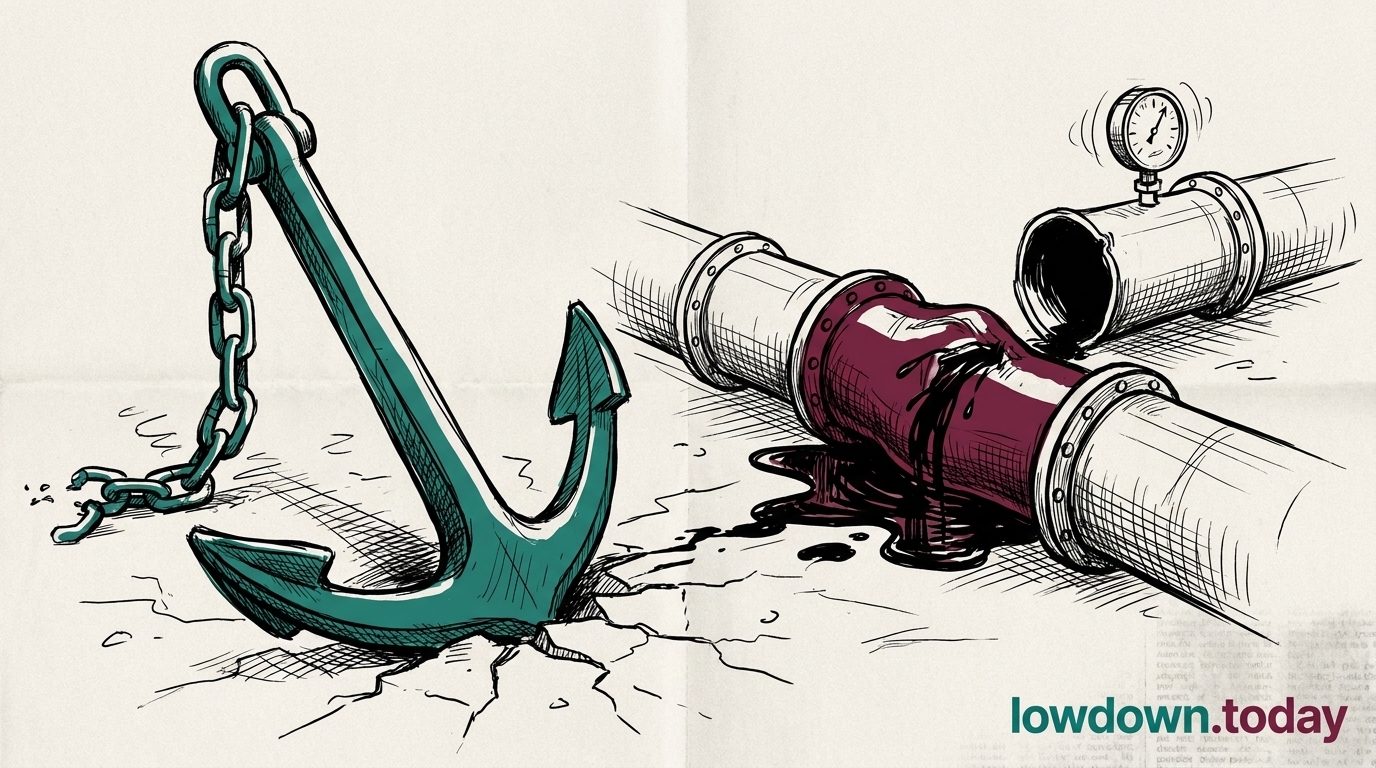
DSIT has changed instrument between waves. The first round took equity stakes and handed GPU compute hours to seven firms ; this one buys finished outcomes through open procurement instead. The switch sits against the £1.1bn AI Hardware Plan London announced in June , and it marks a bet on buying capability rather than owning it.

Britain's model diverges sharply from Brussels. Where the EU builds shared, pan-European dependency through joint frameworks, Britain builds national capability it controls alone. Whether DSIT signs real contracts inside the window it claims, rather than leaving a closed competition as paperwork, is the open test.


Deep Analysis

In plain English

DSIT (the Department for Science, Innovation and Technology) is the UK government department in charge of science and tech policy. It just opened a new round of contracts, worth £96m in total, for British companies to build AI tools the government can use in areas like health, defence and transport. Unlike the first round earlier this year, where the government bought a stake in AI companies, this time it is simply paying for finished work, in chunks of up to £5m, with the contracts running until March 2030.

Deep Analysis
Root Causes

Britain has no domestic hyperscaler and no state investment bank with Bpifrance's balance sheet, so procurement contracts, rather than equity stakes or state-backed debt, are the only near-term lever DSIT can pull without new legislation or a capitalised sovereign fund.

The £5m contract ceiling reflects Treasury Green Book value-for-money rules on non-competitive single awards; a larger sum would trigger a full business case review that would push contract signature past the March 2030 delivery window DSIT has already set.

First Reported In

Update #11 · Dresden delivers, the logic gap stays open

The Register· 8 Jul 2026
Read original
Causes and effects
This Event
UK launches £96m Sovereign AI wave
Britain is buying AI outcomes through procurement where it once took equity, and where Brussels builds shared EU frameworks instead.
Different Perspectives
Indian refiners
Indian refiners
Indian refiners kept lifting discounted Urals as the India/Baltic price split widened past $9-10 a barrel, a gap that only grows as GL X1's Iranian wind-down cuts an alternative discounted grade off the market by 17 July. Cheaper Russian feedstock is being locked in while it lasts.
Chinese refiners
Chinese refiners
Chinese refiners gain leverage as the Urals-Brent discount widens, since Beijing's state buyers already source discounted Russian barrels near the fiscal floor unaffected by Western insurance costs. A wider discount, if it holds past 23 July, lets them lock in cheaper term contracts regardless of the cap's outcome.
US money managers (CFTC-tracked)
Managed money trimmed WTI net length into the rally, positioning that reflects doubt the Hormuz premium survives without freight or war-risk confirmation. The Brent-WTI spread widening almost entirely on the Brent leg supports that scepticism about a broad-based repricing.
OPEC+ (Saudi-led subgroup)
Saudi Arabia is defending market share through a fourth straight 188kbd August hike even as OPEC's own July MOMR cut 2026 demand growth for the fourth consecutive month. At a $108-111 fiscal breakeven, every added barrel costs Riyadh revenue it cannot recoup, so the hike reads as a positioning signal, not a demand bet.
Greek shipping registries
Greece, backed by Cyprus and Malta, is pushing a three-month cap-freeze compromise against the Commission's freeze to January 2027 ahead of the 23 July vote. Athens' and Valletta's combined tanker registrations mean a shorter review gives their insurers more frequent chances to reprice risk on Russian cargoes.
Russia (Deputy PM Alexander Novak)
Novak extended the diesel export restriction to producers on 8 July, the first producer-binding curb of the war, protecting the domestic pump price ahead of any refinery repair timeline. Urals still trades below Russia's $59 budget floor even as Brent gained, so the ban trades export revenue for fiscal stability at home.