Skip to content
You can now search across every topic, entity and event.What's new
European Energy Markets
15JUN

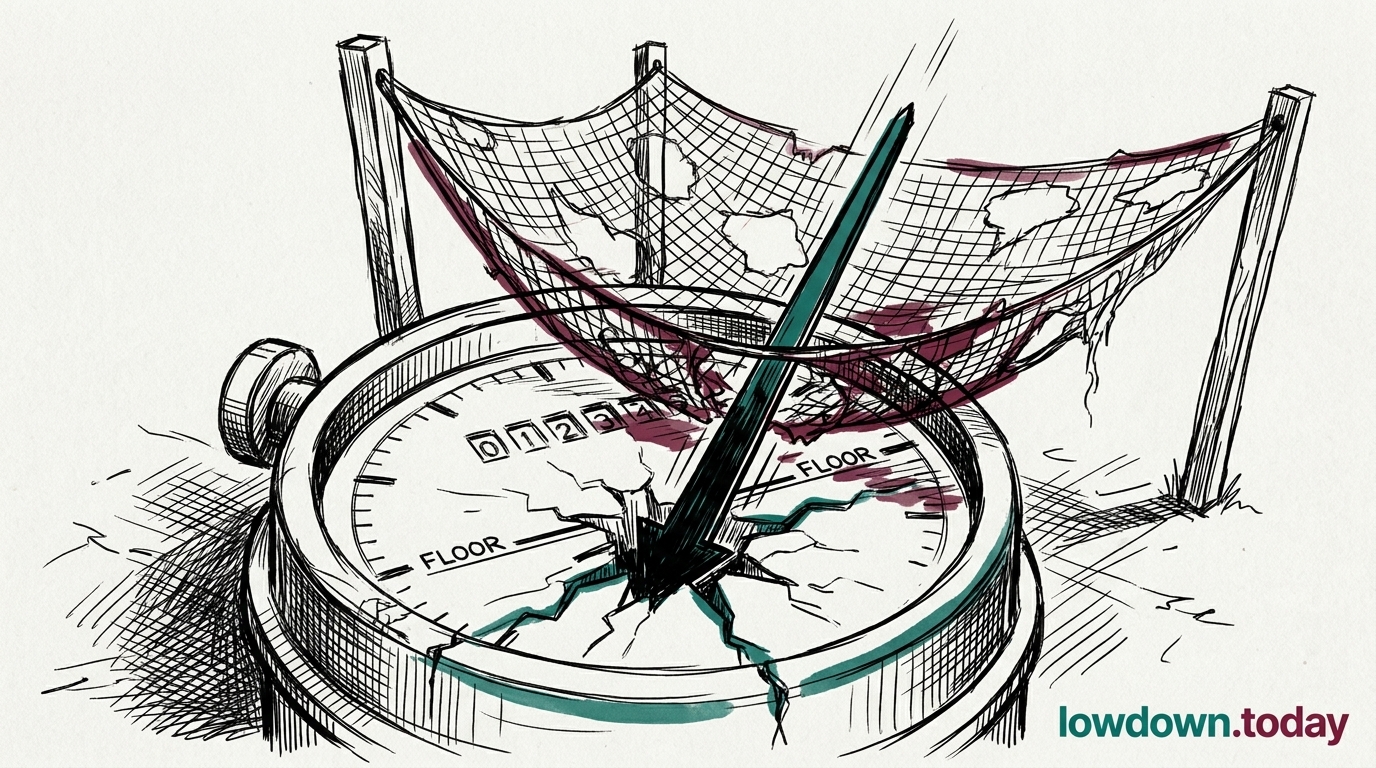
Arrow-3 81% gone; full depletion looming

2 min read
12:23UTC

RUSI projected Arrow-3 stocks fully exhausted by end of March, with $26 billion spent on 11,294 munitions in the first 16 days alone.

EconomicDeveloping
Key takeaway

Israel may have entered April without its primary ballistic missile defence shield.

The Royal United Services Institute projected that Israel's Arrow-3 interceptor stocks were 81.33% depleted by 26 March and would be fully exhausted by the end of the month. 1 In practical terms, fewer than one in five of Israel's pre-war upper-tier interceptors remained five days ago. The US THAAD system faces similar pressure, with stocks potentially exhausted within one month at current expenditure rates.

The cost figures behind the depletion expose a structural asymmetry. The US-Israel coalition fired 11,294 munitions in the first 16 days at an estimated cost of $26 billion. At that rate, the unfunded $200 billion supplemental request covers roughly four months of operations. The interception rate held at 92%, but Iran's missiles cost a fraction of the interceptors that destroy them. By RUSI's estimate, Iran spends roughly $1 for every $10 the coalition spends to counter it.

Replenishment takes years, not months. Arrow-3 production depends on complex supply chains and specialist components. Iran's deployment of a cluster warhead on the same day may reflect awareness that the defence gap is imminent. If RUSI's projection held, Israel entered April with no upper-tier missile defence. The next cluster warhead arrives into open sky.


Deep Analysis

In plain English

Israel's main defence against long-range Iranian missiles is called Arrow-3. Think of it as a very expensive interception system that shoots down incoming missiles before they land. Each interceptor missile costs several million pounds. RUSI, a respected British defence think tank, estimated that by 26 March, roughly four in five of Israel's pre-war supply had been used up. The projection was that the last ones would be fired by end of March. Replacing them takes years, not weeks. Iran's missiles cost far less to build than the interceptors that destroy them. Iran fired 1 for every £10 spent defending against it. If the shield is empty, Iranian missiles arrive undefended.

What could happen next?
  • Risk

    If Arrow-3 stocks are genuinely exhausted, Iran's ballistic missiles arrive uncontested at Israeli cities, and THAAD becomes the sole remaining upper-tier defence with its own stocks draining.

    Immediate · 0.75
  • Consequence

    The cost-exchange ratio forces a strategic choice: continue operations at $800 million per day with no replenishment path, or negotiate before the THAAD gap similarly opens.

    Short term · 0.8
  • Consequence

    Arrow-3 depletion removes the deterrent value of the interception system; Iran's operational calculus on strike tempo changes immediately.

    Immediate · 0.8
First Reported In

Update #53 · Trump drops Hormuz goal; toll becomes law

Defence Security Asia (citing RUSI)· 31 Mar 2026
Read original
Causes and effects
This Event
Arrow-3 81% gone; full depletion looming
If the projection held, Israel entered April without upper-tier ballistic missile defence for the first time since the system became operational.
Different Perspectives
Spain's LNG terminal operators
Spain's 9,145 GWh terminal inventory is the largest single stock in the EU LNG network, an option value that can reroute cargoes wherever the winter strip pays best rather than a cavern gas obligation tied to a fixed date. That flexibility matters more as Germany's cavern shortfall pushes more of the winter security question onto import infrastructure.
European Commission
European Commission
Brussels holds the bloc to 90% on a flexible window while Germany, holding roughly a quarter of EU storage capacity, tracks toward missing its own lower 80% figure by 21 points. A national shortfall this size in the anchor market matters more to bloc security than the flexible timetable alone can absorb.
French power exporters and CRE
French day-ahead rose in step with Germany but by less, reopening a EUR 7-17 premium that makes northward export flows commercially attractive again after the EUR 43.09 discount evaporated in days. CRE separately authorised RTE and Enedis to buy flexibility locally, betting the coming winter's binding constraint is grid congestion rather than a shortage of firm capacity.
TTF trading desk
TTF trading desk
A visible national shortfall like Germany's 21-point gap is a directional signal, not noise, for a desk holding the summer-winter spread. TTF's flat EUR 58-60 range through this week's German price swings says the market has not yet chosen to reprice refill risk into the front of the curve.
German cavern and CCGT operators
German caverns kept buying prompt gas at TTF near EUR 58-60 through the inversion; the wind collapse to 2.4 GW then flipped the spark spread to plus EUR 29 and put turbines back in the same queue. Every day turbines win that bid, injection at a third of the 877 GWh/day pace needed falls further behind.
Slovakia
Slovakia
Slovakia says it dropped its hold-out on the 21st sanctions package only after Ursula von der Leyen personally signed written gas-price and supply guarantees. The Council of the European Union's own 17,238-character release on the package names neither Slovakia nor any guarantee, leaving Bratislava's account unconfirmed by the institutional record.



