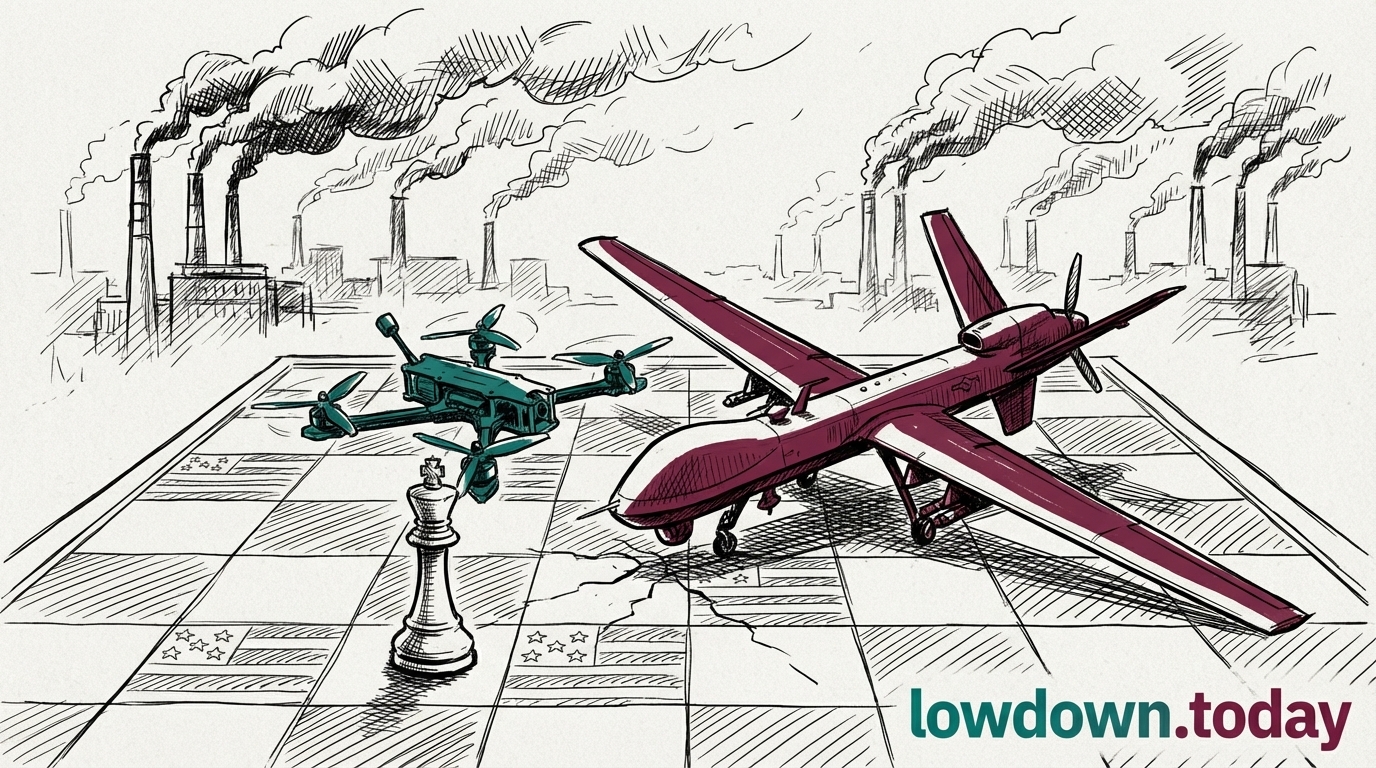
Red Cat Holdings (NASDAQ: RCAT), parent of Teal Drones, has seen its stock price rise more than 60% in 2026. The rally tracks directly to , which removed Red Cat's principal competitors from US market certification.
Two military contract wins reinforce the trajectory beyond regulatory windfall. Red Cat's Black Widow small uncrewed aircraft system won the Army's Short Range Reconnaissance (SRR) programme of record — the Pentagon's standard-issue small drone for infantry units, replacing an interim capability that had relied on foreign-sourced components. Separately, Black Widow gained approval for the NATO Support and Procurement Agency (NSPA) catalogue, which allows allied governments to purchase the system through a single streamlined procurement channel. The SRR designation provides a recurring demand floor: every infantry brigade combat team requires the capability, giving Red Cat a procurement baseline most small drone manufacturers lack. NATO catalogue access extends that baseline to European militaries increasing drone budgets under the ReArm Europe initiative.
The outstanding question is scale. DJI's cost advantage derives from vertically integrated manufacturing at Chinese labour and component prices — a structure no US company can replicate near-term. Red Cat's market capitalisation, even after the 2026 rally, is a rounding error against DJI's estimated annual revenue. Military programmes of record guarantee a volume floor but at Pentagon procurement timelines, not commercial market speed. Whether Red Cat can translate its regulatory and military positioning into commercial-sector adoption — where firefighters, farmers, and construction firms need sub-$1,000 capable platforms — will determine whether the stock reflects a durable business or a temporary arbitrage on Chinese exclusion.





