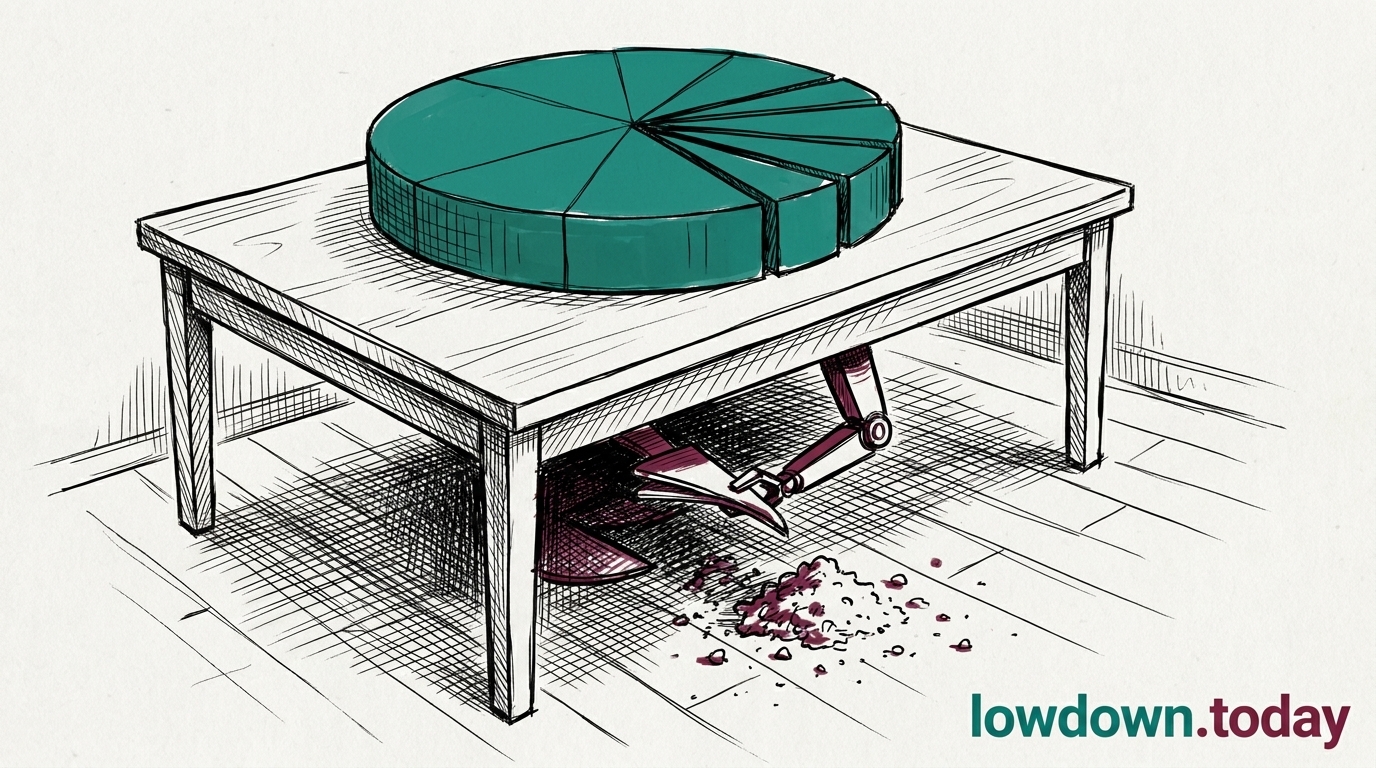
The Office for National Statistics (ONS), the UK's national statistics agency, reported youth unemployment at 14.7% for the 16-to-24 age group on 3 June 2026, the highest since 2014, with 22.7% of young jobseekers out of work for more than a year1. The figure mirrors the US under-25 decline the New York Federal Reserve traced to before ChatGPT, and it points to the suppressed-hiring channel rather than the firing one.
The International Monetary Fund (IMF), the 190-member international financial body, found in a January 2026 Staff Discussion Note that entry-level roles carry higher AI exposure and that generative-AI adoption specifically suppresses junior hiring2. US graduate data points the same way: long-term unemployment among degree-holders has risen from one in five a decade ago to nearly one in three3. The damage shows up as hires never made at the bottom of the ladder, where no Worker Adjustment and Retraining Notification (WARN) Act filing or unemployment claim records it.
Neither the ONS nor the BLS publishes an AI-exposure breakdown, so the world's largest and sixth-largest economies are both setting youth labour policy blind to the channel doing the work. The wider UK picture is already weak: payrolled employment has fallen 210,000 year on year and vacancies have dropped to 705,000, below the pre-pandemic baseline. The youth figure names who is bearing that decline. The cost compounds over time, since a cohort shut out of the entry rungs early tends to surface years later as a mid-career skills shortage, the pattern the 1980s manufacturing-automation literature documented.


