Skip to content
2026 FIFA World Cup
19APR

FIFA: Category 1 seat maps were 'indicative' only

2 min read
11:22UTC

Fans who paid top-tier prices found their seats in corners and behind goals, with FIFA claiming maps were never binding.

SportDeveloping
Key takeaway

FIFA's 'indicative maps' defence creates a misrepresentation claim distinct from its pricing and access scandals.

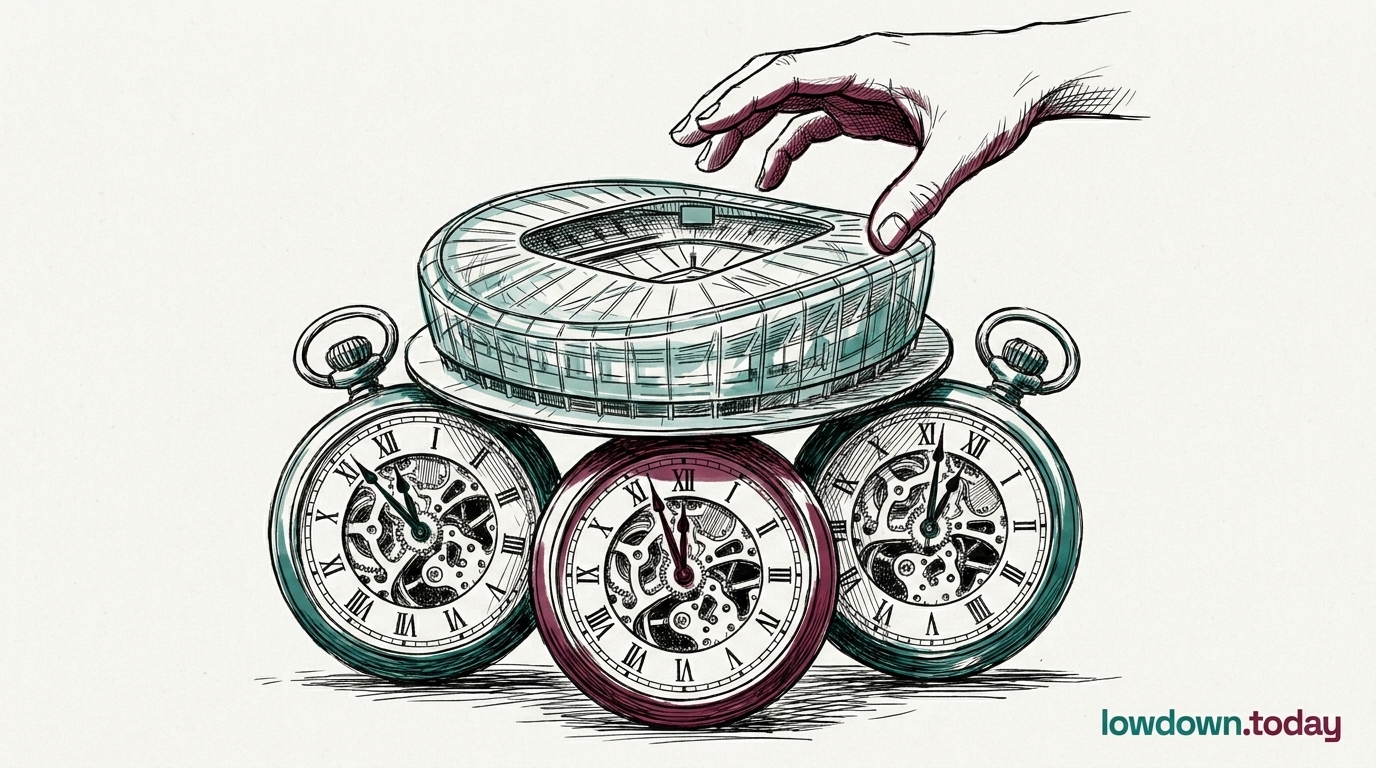
Category 1 holders discovered seats in corners and behind goals, positions the original maps placed in Category 2 or lower. The downgrade operates alongside the stealth tier creation: FIFA simultaneously withheld better seats for the new Front Category tiers while assigning inferior positions to existing buyers .

FIFA's 'indicative' maps defence contradicts its own pre-sale documentation. Under EU Directive 2005/29/EC, the test is what a reasonable buyer understood at purchase. A buyer who paid Category 1 prices because Category 1 was described as 'the highest-priced seats, located primarily in the lower tier' has a reasonable expectation of lower-tier seating. A corner seat behind a goal is not that.

This claim is legally distinct from the dynamic pricing and crash complaints in the FSE complaint : it concerns misrepresentation of goods already sold, not pricing or access mechanics.

Deep Analysis

In plain English

Fans paid the highest ticket price expecting the best seats. Instead, they received corner and behind-goal positions. FIFA says the maps showing where those seats would be were never official—but only after they had taken the money.

Deep Analysis
Root Causes

FIFA withheld premium front-row inventory from Category 1 allocation to create the new 'Front Category' tier at higher prices. To make this work, it needed to assign existing Category 1 buyers to positions vacated by the withheld inventory—corners, behind-goal positions, upper tiers.

Seat reallocation follows not incidental; it is the mechanical consequence of the stealth tier creation. The root cause is the same as for the stealth tiers: uncapped revenue extraction from a captive market with no regulatory oversight.

What could happen next?
  • The misrepresentation claim is legally distinct from the dynamic pricing complaint and could survive independently even if the Article 102 competition case fails.

  • Fans who purchased Category 1 tickets expecting lower-tier seating have grounds to demand refunds or re-allocation before matches begin in June.

First Reported In

Update #6 · FIFA's stealth price hike

Inside World Football· 10 Apr 2026
Read original
Different Perspectives
Jalisco state government
Insists Guadalajara's World Cup matches will proceed as planned regardless of the February cartel violence, rejecting any possibility of FIFA relocating fixtures.
EU Sports Commissioner Glenn Micallef
Publicly criticised Infantino after a Brussels meeting produced no safety guarantees for European fans — an institutional escalation that treats FIFA as answerable to European political authorities on operational security.
US Immigration and Customs Enforcement
Positions itself as integral to tournament security infrastructure and has not excluded enforcement operations near match venues, despite three Congressional bills seeking restrictions.
Iraq national team
Iraq national team
Coach Graham Arnold argued that closed airspace, shuttered embassies and stranded personnel make squad assembly physically impossible, requesting postponement rather than accepting what would be the first conflict-caused qualification forfeit.
FIFA
FIFA
FIFA delivered its relocation rejection through Mexico City rather than Zurich, using Sheinbaum as the channel. It has made no public statement on the Front Category ticket tiers since they appeared in the inventory, and has not responded to UNITE HERE Local 11's 7 April letter. Silence is the operative posture on every open file except Iran participation.
Iranian government
Iranian government
Iran's sports ministry and football federation president continued to hold publicly contradictory positions on World Cup participation, with the ministry demanding withdrawal and FFIRI insisting on competing while boycotting US venues. The contradiction remained unresolved with 29 days until the FIFA Congress in Vancouver on 30 April.



