Skip to content
You can now search across every topic, entity and event.What's new
2026 FIFA World Cup
25JUL

How 48 teams broke the goal record

3 min read
11:57UTC

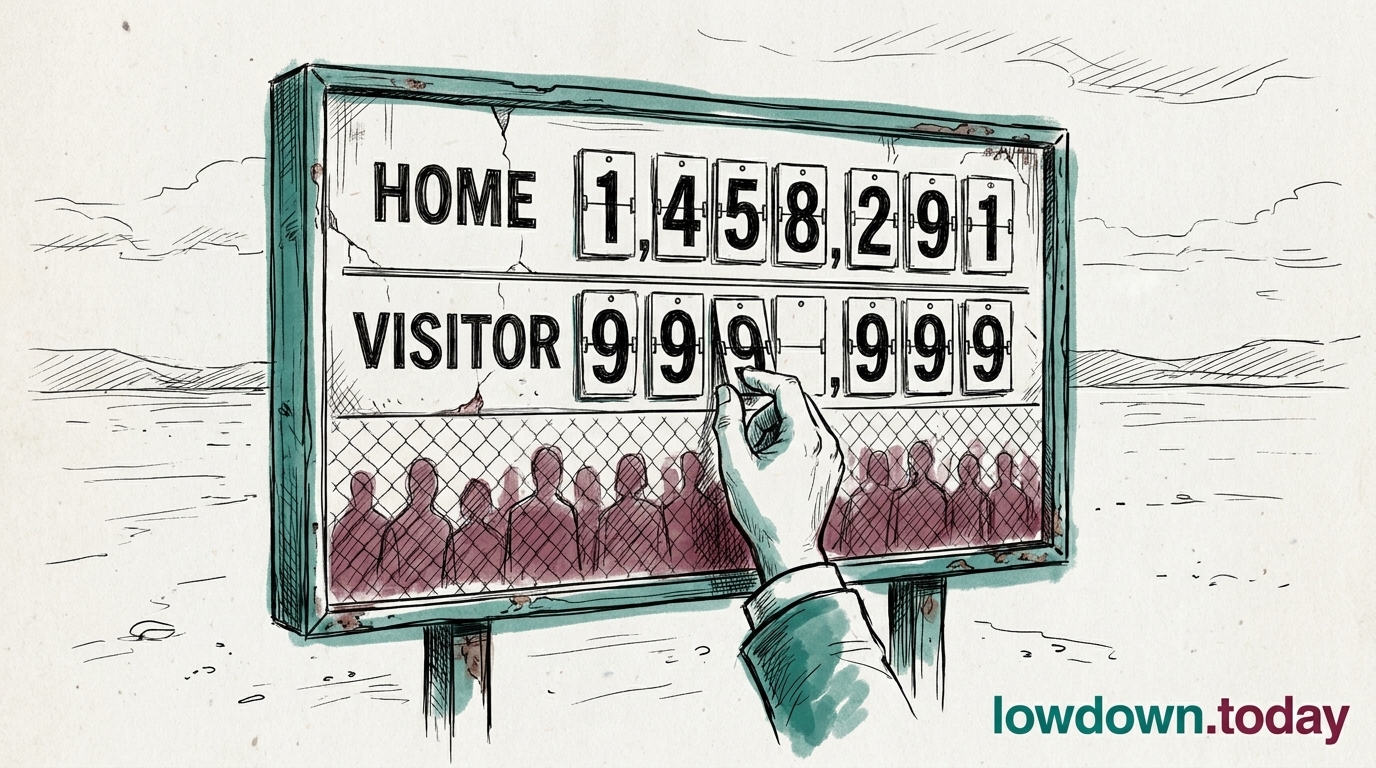
The 2026 World Cup group stage has hit 161 goals with over 10 matches left, past the 139-goal record set on 24 June and on pace for 190 to 200.

SportDeveloping
Key takeaway

Expansion to 48 teams has raised both match volume and goals per game, sending the group-stage record sharply higher.

The 2026 World Cup group stage has produced 161 goals with more than 10 matches still to play, already past the 139-goal record set on 24 June, which had itself only just beaten 2014's mark of 136 1. The Netherlands had scored the tournament's 100th goal on 20 June ; the total is now on pace for 190 to 200, which would leave the record 40 to 50 per cent higher than the previous best.

The extra fixtures explain only part of the surge. The 48-team format, expanded from 32, runs 72 group games against the old 48, so a bigger calendar alone would lift the total 2. Goals per game have also climbed, to roughly 3.0 from 2014's 2.83, which means the scoring rate itself has risen alongside the larger fixture list.

Two forces drive the higher rate. The larger field pits seeded sides against first-time qualifiers, widening the gap in quality within many groups. The format also keeps eight round-of-32 places open for the best third-placed finishers, ranked mostly by goal difference, so teams already qualified and teams already eliminated both keep attacking in games that change nothing on points. Both effects are built into the 48-team design, which is why the scoring has held up rather than tailing off as the groups concluded.


Deep Analysis

In plain English

The 2026 World Cup group stage has already broken the previous record for most goals scored, with 161 and still more matches to play. In normal circumstances, the final group stage games were played in the old format of eight groups of six, so there were fewer matches. This year there are 12 groups, meaning 72 group matches in total instead of 48. More matches means more chances for goals, but even on a per-match basis, this tournament is scoring more than most previous World Cups. The main reason is the expanded field of 48 teams: more matches are being played between very strong teams and much weaker ones, which tends to produce lopsided scores. Whether the knockout rounds, where teams are more evenly matched, will maintain that pace is one of the tournament's open questions.

Deep Analysis
Root Causes

Three structural changes in the 2026 format combine to produce the goals record. First, 12 groups of four rather than eight groups of six creates more matches between teams from the same confederation bracket, increasing the proportion of uneven fixtures.

Second, the 48-team field includes eight to ten sides from confederations (AFC, OFC, CONCACAF) whose qualifying standards are lower than UEFA and CONMEBOL, which places weaker sides against stronger ones repeatedly. Third, IFAB's 2024 modification to the offside law, clarifying that goal-hanging is legal without active offside intervention, has marginally opened defensive lines and increased shot volume in the final third.

The 72-match group stage versus the previous format's 48 matches also simply provides more opportunity to accumulate goals, which is why the per-game figure (approximately 3.0) matters more than the total (161 and rising).

What could happen next?
  • Consequence

    A final group-stage total of 190 to 200 goals would establish the 48-team format as structurally more goal-productive than its predecessors, strengthening the format's commercial rationale for the 2030 and 2034 cycles.

  • Risk

    Critics of the expansion (including former UEFA president Michel Platini) predicted dead rubbers and inflated group records would undermine competitive integrity; the goals data alone does not settle whether the matches generating those goals were competitively meaningful.

First Reported In

Update #30 · FIFA upholds Zwane ban, won't say why

The Daily Star· 27 Jun 2026
Read original
Different Perspectives
Real Madrid
Real Madrid
Operating internally on the basis Rodri joins, according to David Ornstein's reporting, despite no talks having taken place with Manchester City. The gap between internal planning and actual negotiation is itself notable.
Manchester City
Manchester City
Unwilling to sell Rodri, with manager Enzo Maresca stating he returns to the club after back surgery. No club-to-club talks with Real Madrid are taking place, contradicting the framing of a deal in motion.
CONMEBOL
CONMEBOL
Backs the move to a 64-team 2030 tournament co-hosted across South America. Has not engaged publicly with FIFPRO's workload or heat-threshold objections drawn from this tournament's data.
FIFA
FIFA
Points to its 30 June technical and officiating reviews as the authoritative account of the tournament's football, including Collina's rejection of bias claims. Has not publicly responded to the renewed compensation call or disputed FIFPRO's heat-threshold figures.
FIFPRO
FIFPRO
Measures a four-degree gap between its own 28C postponement threshold and FIFA's 32C cooling-break trigger, breached in 19% of matches played. Cites a 70-83 match workload projection to oppose the 64-team 2030 format.
Human Rights Watch
Human Rights Watch
Documents 54 immigration-custody deaths before kickoff and two since, and revives the compensation duty FIFA's own advisers identified after Qatar 2022 and never acted on. Treats the pattern as unresolved FIFA liability, not a closed file.


