Silent Ransomware Group
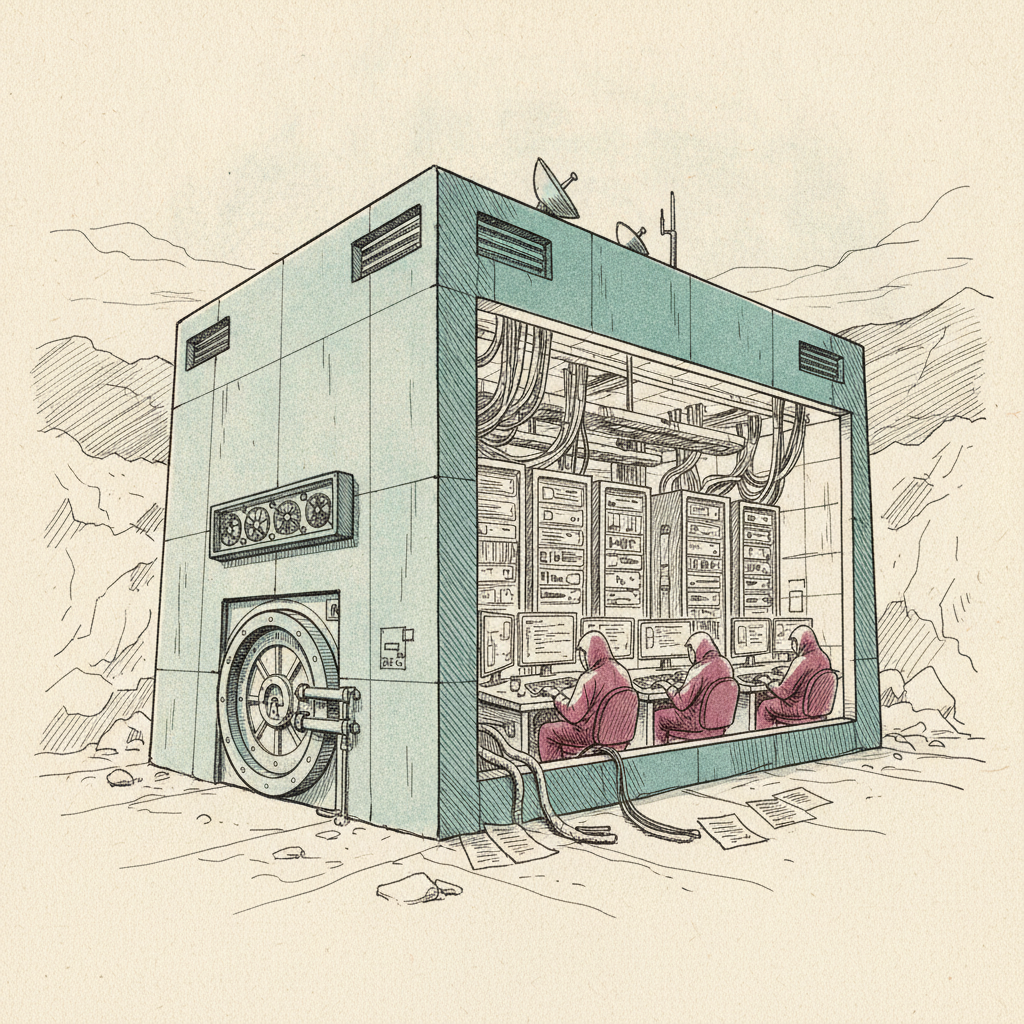
The Silent Ransomware Group (SRG) is a ransomware crew that in 2026 combined network intrusion with physical on-site infiltration against legal and financial sector targets, pairing cyber and physical access.
Last refreshed: 14 June 2026 · Appears in 1 active topic
If ransomware crews send people inside your firm, what does that mean for security vetting and physical access controls?
Timeline for Silent Ransomware Group
Added physical on-site infiltration against legal and financial sector targets alongside network intrusion
Cybersecurity: Threats and Defences: Crews now cross-claim each rival victimBackground
The Silent Ransomware Group (SRG) is a ransomware crew documented in Bitdefender's June 2026 Threat Debrief as having adopted physical on-site infiltration as a complement to conventional network intrusion. The group's reported tactic involves placing operatives physically inside targeted legal and financial firms, enabling direct access to air-gapped or network-isolated systems and reducing dependence on remote exploitation. This marks a significant tactical departure from purely cyber-based ransomware operations.
Conventional ransomware intrusion relies on remote initial access through phishing, VPN vulnerabilities, or purchased credentials. SRG's physical component reportedly allows operatives to bypass perimeter controls entirely, reaching systems that would be inaccessible from the internet. This approach echoes tactics previously attributed to state-sponsored actors but is now appearing in financially motivated criminal operations targeting professional services sectors.
The group's emergence reflects a broader escalation in the ransomware threat landscape identified in the same Bitdefender debrief, where affiliates move freely between programmes, cross-claim victims, and adopt non-standard tactics to maintain differentiation in a commoditised market. For the legal and financial sectors, the physical component substantially widens the attack surface beyond what conventional network security controls address.