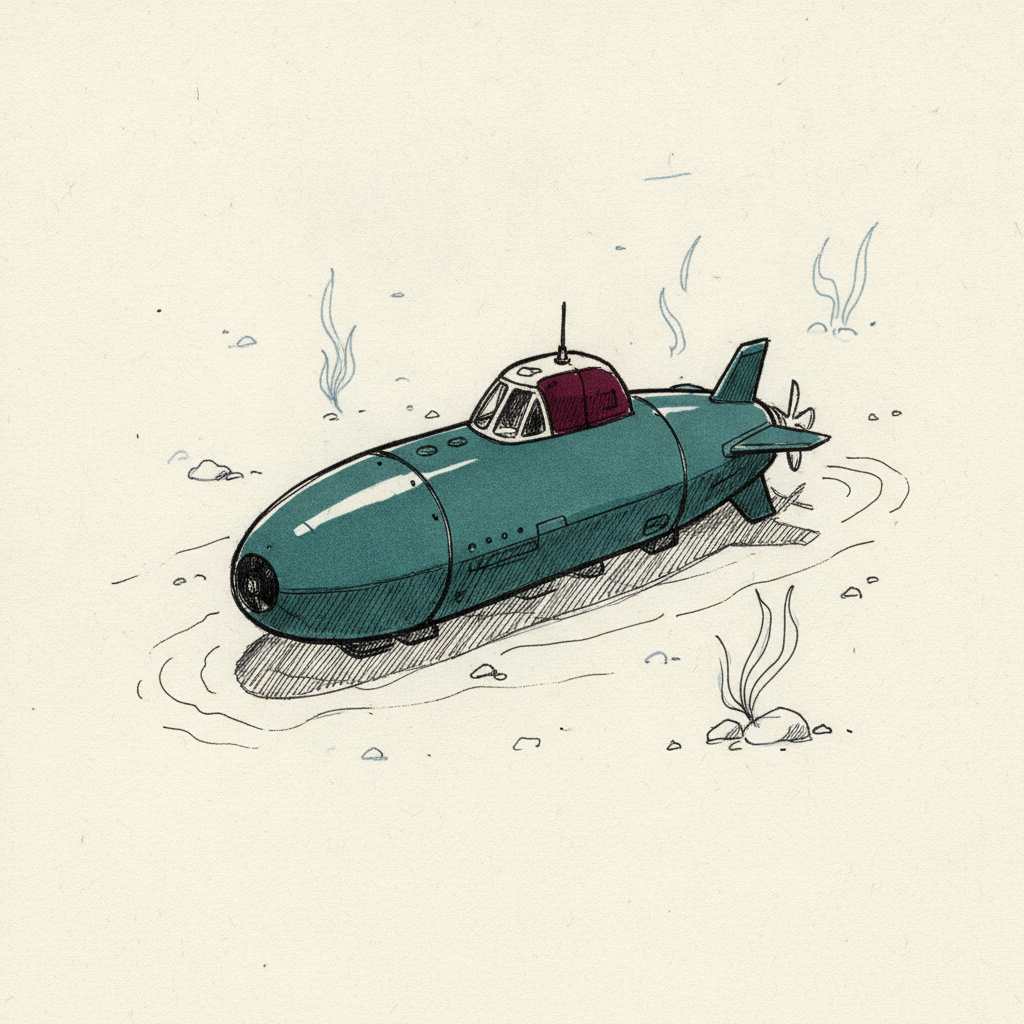
Remote Minehunting System
US Navy mine-hunting vehicle cancelled in 2016 after failing reliability tests.
The US Navy cancelled the Remote Minehunting System in March 2016 after its vehicle averaged about 25 hours between breakdowns against a 75-hour minimum, a record that sits behind Britain's REMUS 620 mine-hunting contract with HII, signed on 24 November 2026.
Last refreshed: 27 November 2026
Timeline for Remote Minehunting System
Mentioned in: UK signs HII mine-hunters: MoD says £142m, notice says £303m
Autonomous Systems: Land & SeaBackground
On 24 November 2026 Britain put its signature to a contract for HII's REMUS 620 underwater mine-hunters. Announcing it, the Ministry of Defence put the value at £142m, while the contract details notice records £303m excluding VAT, and neither source explains the difference. The Remote Minehunting System is the American precedent for a robot mine-hunter that never proved its reliability.
Lockheed Martin built the system, designated AN/WLD-1, for the US Navy's Littoral Combat Ships. At its core sat the Remote Multi-Mission Vehicle (RMMV), a semi-submersible that towed a sonar. Breaking Defense reported that the vehicle averaged about 25 hours between breakdowns, against a 75-hour minimum. Navy Secretary Ray Mabus said on 26 February 2016 that the Navy would buy no more, and the Defense Department formally cancelled the programme the following month. Lockheed put the faults down mainly to integration and maintenance, not the vehicle itself.
The Navy turned instead to an uncrewed surface boat towing the AN/AQS-20A sonar, with the Knifefish underwater vehicle as its long-term answer. Small robot submarines are now bought in bulk: on 16 November 2026 HII said the Navy had raised its Lionfish order to 175.
Why did the US Navy cancel the Remote Minehunting System?
Who built the Remote Minehunting System?
When was the Remote Minehunting System cancelled?
What replaced the Remote Minehunting System?
Written with AI from Lowdown's published reporting. Not individually reviewed by an editor. Updated 27 November 2026. Editorial standards.