Mongolia
Landlocked republic between Russia and China, known for vast steppe and mineral resources.
Mongolia's 2009 mining law bars extraction in river headwaters, water-protection zones and forests while preserving an exception for deposits classed as strategically important.
Last refreshed: 22 October 2026 · Appears in 1 active topic
How does Mongolia balance mining income with protection of rivers and forests?
Timeline for Mongolia
Mentioned in: Russia's diesel ban sets a record crack
European Oil MarketsBackground
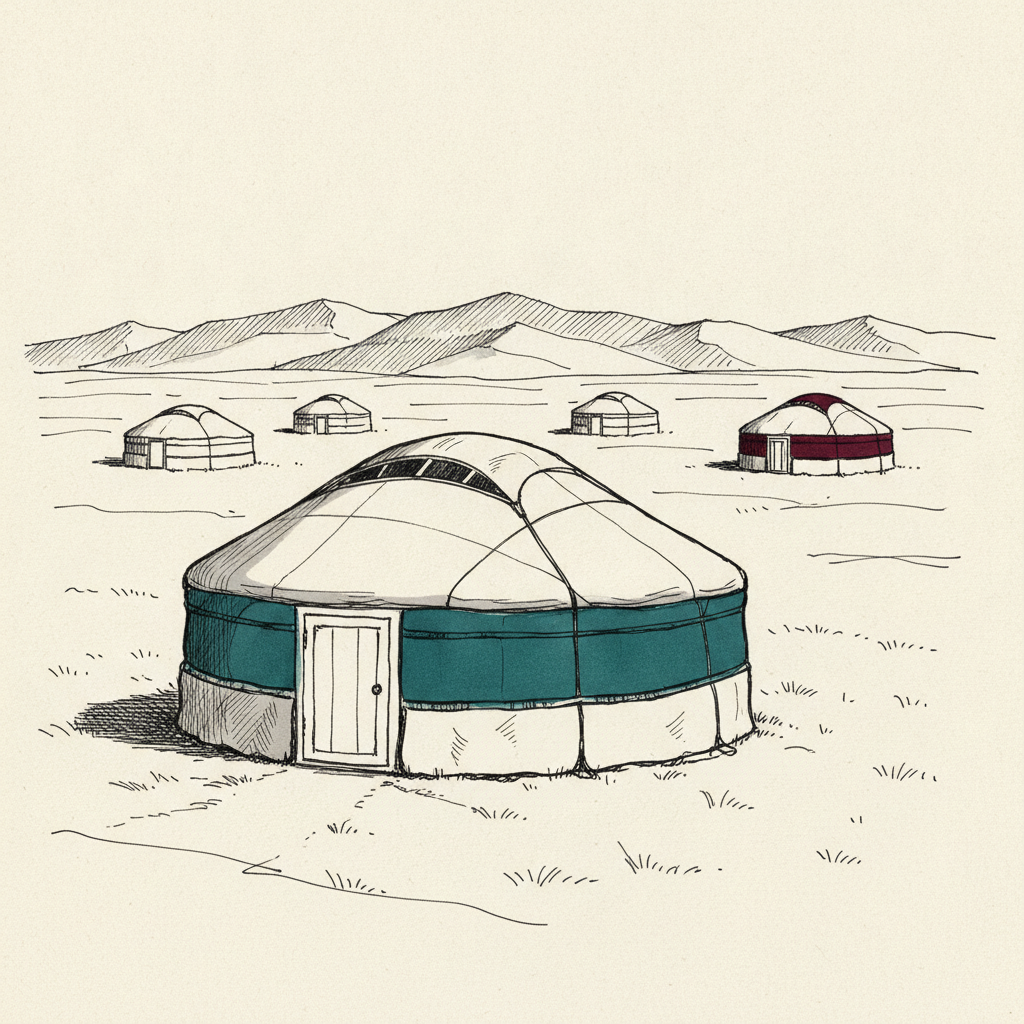
Mongolia is a landlocked republic in northern continental Asia, bordered by Russia to the north and China to the south. Its largest population centre, Ulaanbaatar, serves as The National capital. The country spans open steppe, mountain ranges and the Gobi Desert, and Mongolian agencies describe extensive mineral resources.
Mining is central to Mongolia's economy, but national law places geographic limits on extraction. Legislation adopted in 2009 prohibits mineral exploration and mining in river headwaters, water-reservoir protection zones and Forest areas. It allows an exception for deposits classified as strategically important and provides mechanisms for licence revocation, compensation and environmental rehabilitation. The framework captures Mongolia's lasting policy tension: mineral development supplies income, while water systems and Forest land need protection from the same activity.
Where is Mongolia?
What is the capital of Mongolia?
Why did Mongolia restrict mining near rivers and forests?
Written with AI from Lowdown's published reporting. Not individually reviewed by an editor. Updated 22 October 2026. Editorial standards.