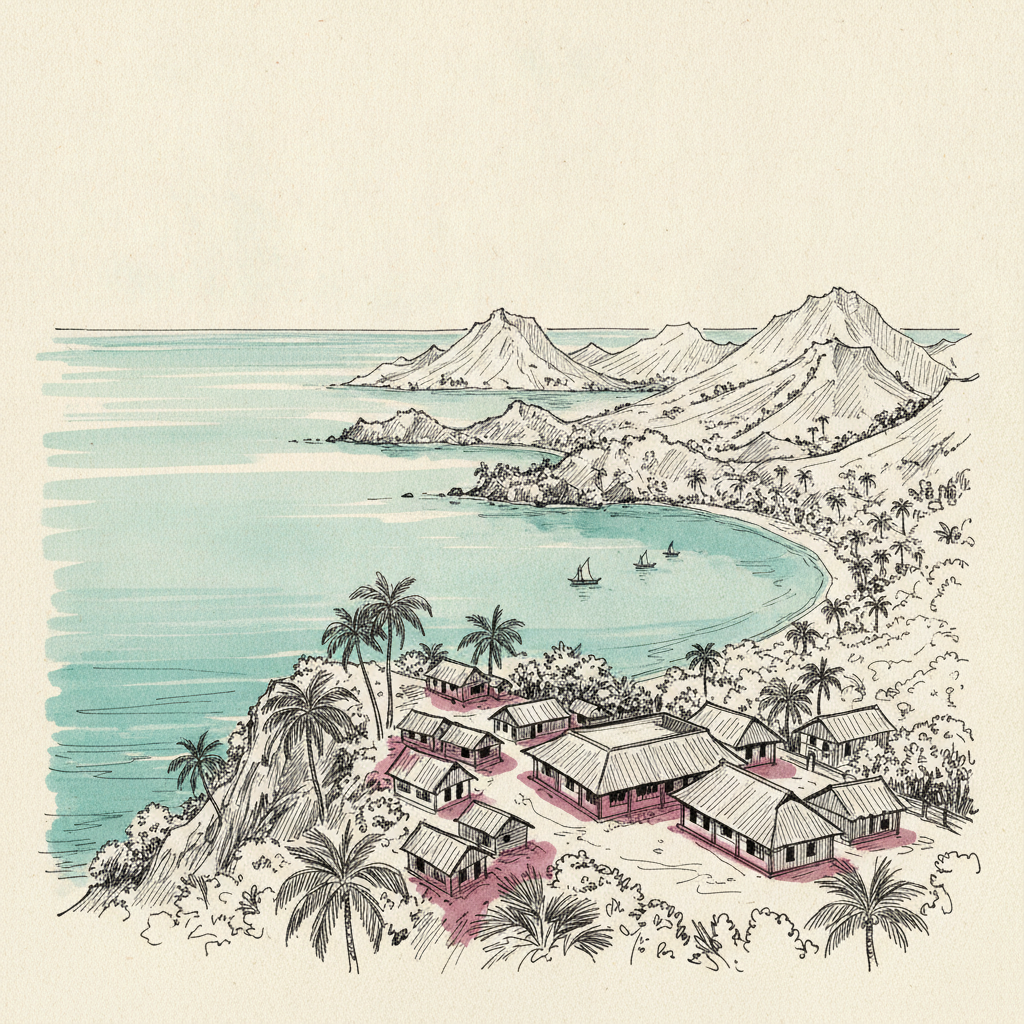
Mayotte
French overseas department in the Mozambique Channel, between Madagascar and the East African coast.
Mayotte, France's 101st department since 2011, recorded 244 confirmed Malaria cases from 1 January to 21 June 2026, its highest count since 2010, with 25 caught on the island.
Last refreshed: 4 October 2026 · Appears in 1 active topic
Why is malaria surging on a French EU territory in the Indian Ocean?
Timeline for Mayotte
Recorded 63 locally acquired malaria cases by late May
Pandemics and Biosecurity: Europe's West Nile cases reach 1,765Recorded locally acquired falciparum malaria earlier in 2026
Pandemics and Biosecurity: Malaria at Frankfurt Airport kills threeMalaria surges fourfold on a French island
Pandemics and BiosecurityBackground
No year since 2010 has brought Mayotte more Malaria. Between 1 January and 21 June 2026 the island logged 244 confirmed cases, by Santé publique France's tally: 161 imported, 95.6% of them from the Comoros, 25 locally acquired, 12 undetermined and 46 still under investigation. Every case was Plasmodium falciparum, the deadliest Malaria parasite; 71 patients were admitted to hospital and four to intensive care, and none died. ECDC's late-May count of 63 local cases used a provisional category for suspected local acquisition, which the June bulletin replaced with confirmed classifications.
The island had no documented local transmission from July 2020 to January 2025, so 2026 is the second year running with locally acquired cases. Santé publique France ties the return to rising imports from the Comoros and Madagascar, where Malaria remains endemic, and to mosquitoes on the island able to carry it. Mayotte became France's 101st department in 2011 and is an outermost region of the European Union, inside European disease surveillance.
Its cases sit beside a run of mosquito-borne infections on European soil in 2026. Eight people caught Malaria at or near Frankfurt Airport without travelling, and three died. France counted 124 locally acquired Chikungunya cases by the end of September.
Where is Mayotte and why is there a malaria outbreak there in 2026?
Is Mayotte part of France and the EU?
Should I take malaria tablets before going to Mayotte?
How many malaria cases has Mayotte had in 2026?
Is malaria spreading locally in Mayotte?
Written with AI from Lowdown's published reporting. Not individually reviewed by an editor. Updated 4 October 2026. Editorial standards.