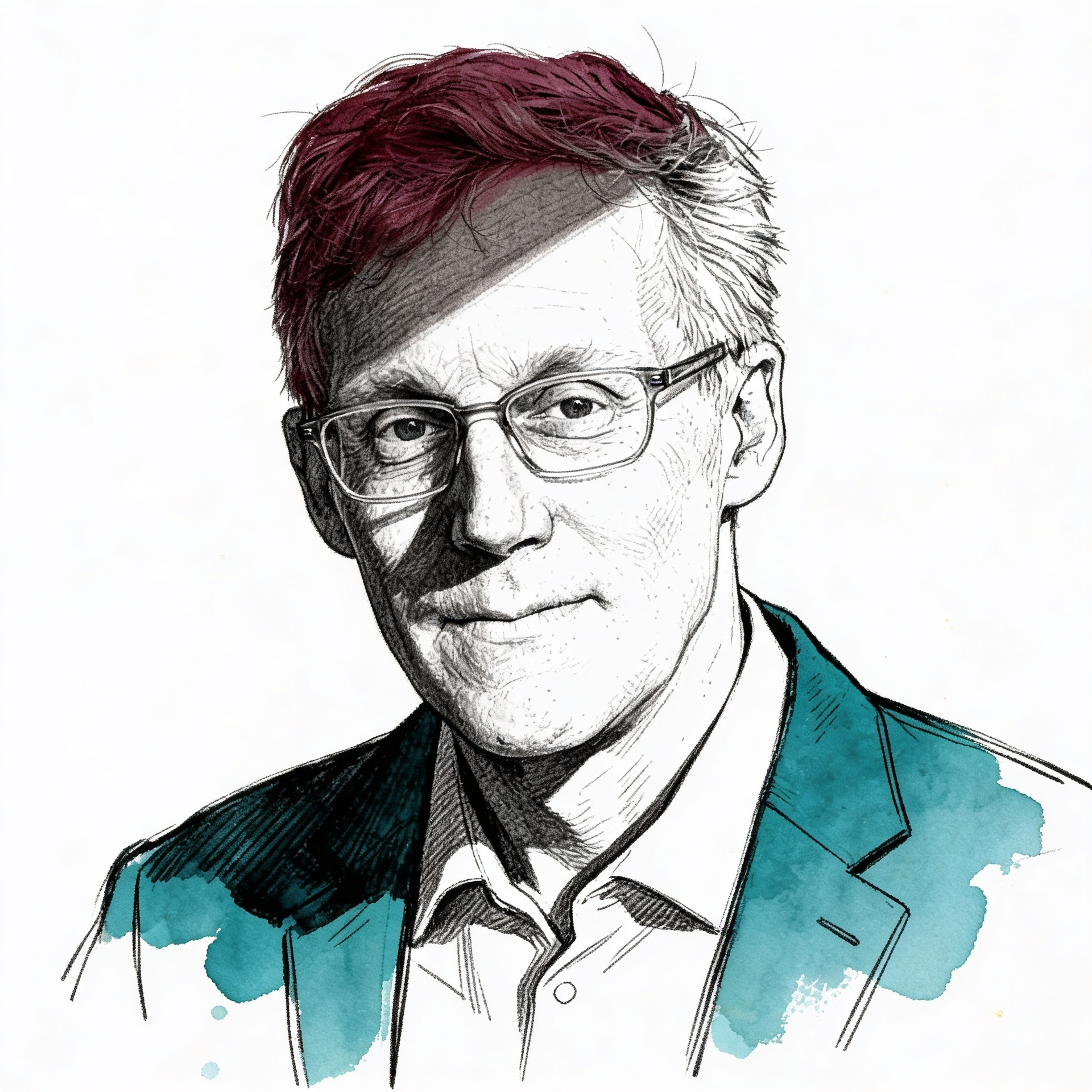
Mark Muro
Senior fellow at The Brookings Institution specialising in metropolitan economic policy and technology's impact on Labour markets.
Last refreshed: 2 May 2026 · Appears in 1 active topic
If jobs data looks stable, why does AI displacement feel so acute to so many workers?
Timeline for Mark Muro
Mentioned in: AI cuts hit record 38,579 in May
AI: Jobs, Power & MoneyMentioned in: Microsoft tells investors 2027 headcount will fall
AI: Jobs, Power & MoneyMentioned in: Goldman counts 25,000 jobs lost monthly
AI: Jobs, Power & MoneyMentioned in: AI exposure highest among educated women
AI: Jobs, Power & MoneyBackground
Mark Muro is a Senior Fellow at the Brookings Institution's Metropolitan Policy Program, where he has spent two decades studying how technological change affects Labour markets, wages, and economic geography. He is one of the most frequently cited US researchers on the intersection of automation and employment, with work spanning OECD reports, Congressional testimony, and major financial institution briefings. His research focuses on how AI and robotics affect workers at different skill levels across different regions of the country.
Muro's significance in the current AI jobs debate is methodological as much as substantive. He has played a central role in reconciling the apparent contradiction between Challenger, Gray and Christmas layoff data and the Stanford-led reanalysis of JOLTS figures that shows continued low separations across the US economy — the same reconciliation exercise that informs Federal Reserve Governor Michael Barr's 'low hire, low fire' framing of the 2026 Labour market. Muro's position is that aggregate employment stability masks deep occupational churn: jobs exist, but the character of available work is shifting in ways that aggregate figures do not capture.
His Metro Program lens makes him unusual among AI Labour researchers in that he consistently foregrounds geography: which cities and regions bear the disruption costs, and whether the jobs AI creates are accessible to the workers it displaces. That framing has made Brookings Metro a frequent reference point for congressional staff drafting AI workforce bills including the Economy of the Future Commission Act.