Timeline for Mako
Mentioned in: Stryker takes option to buy CMR Surgical
UK Startups and InnovationBackground
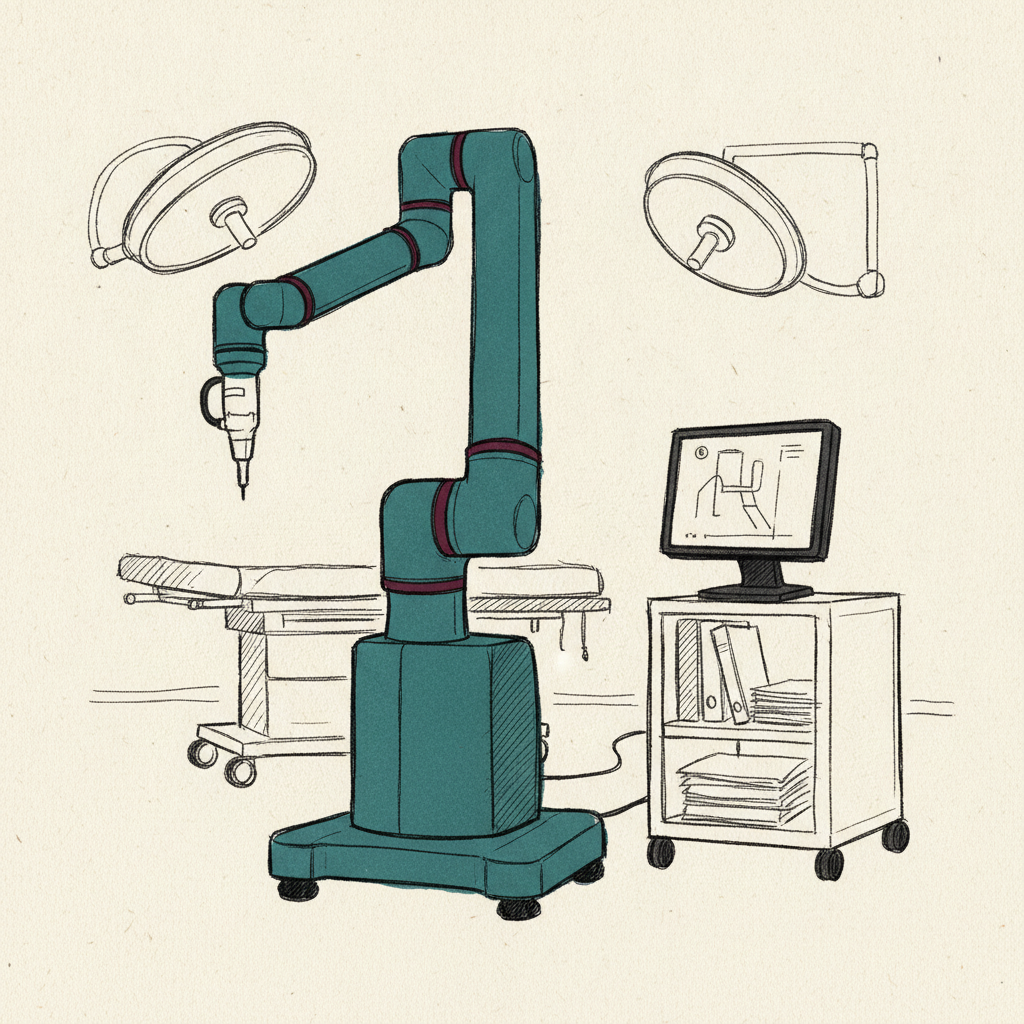
Mako is Stryker’s robotic-Arm technology for joint replacement. Its applications include total hip, total knee and partial knee procedures. A three-dimensional model of the patient’s joint helps the surgeon plan the operation around that person’s anatomy. The surgeon remains responsible for carrying out the procedure. [Stryker product overview](https://patients.Stryker.co.uk/Mako-robotic-Arm-assisted-technology).
For total knee replacement, a CT scan supplies the model used in the planning software. During the operation, the surgeon guides the robotic Arm while preparing bone for the implant. The system constrains that work to planned boundaries, and the surgeon can adjust the plan when needed. Mako’s role is therefore to support planning and controlled execution of a joint replacement; it does not independently decide how to operate. [Stryker total-knee guide](https://patients.Stryker.co.uk/knee-replacement/procedures/Mako-robotic-Arm-assisted-total-knee).
What procedures does Mako support?
How does Mako help surgeons plan operations?

Written with AI from Lowdown's published reporting. Not individually reviewed by an editor. Updated 22 October 2026. Editorial standards.