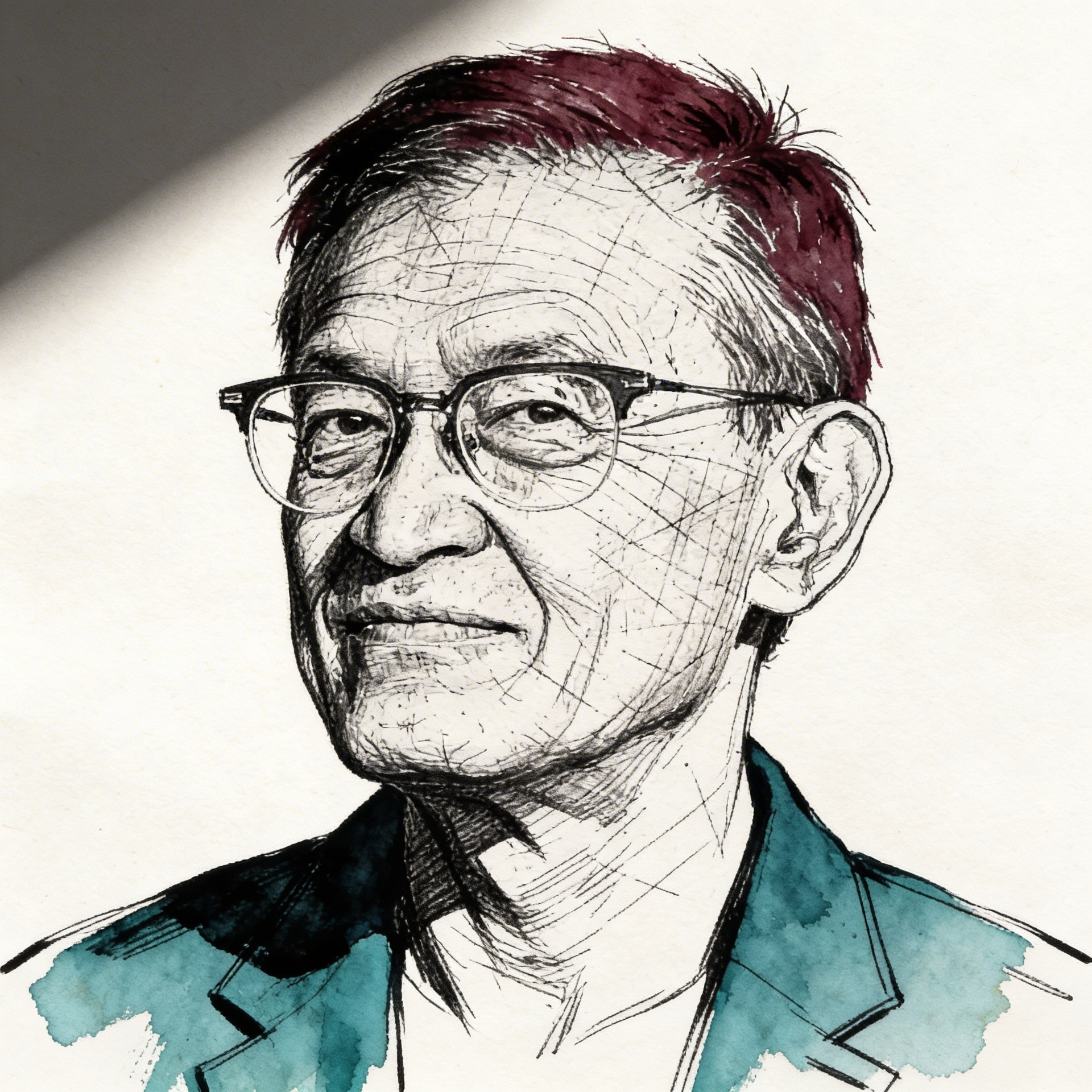
Can Lip-Bu Tan rescue Intel's foundry ambitions after Magdeburg and a .6bn loss?
Timeline for Lip-Bu Tan
issued staff memo citing insufficient customer commitments and financial risk
European Tech Sovereignty: Intel kills its €30bn Magdeburg megafabBackground
Lip-Bu Tan became Intel's CEO in March 2024, taking the helm of a company facing its worst financial crisis in decades. His appointment came after predecessor Pat Gelsinger was ousted following Intel's catastrophic second-quarter 2024 results, which included a $1.6bn net loss and the shock announcement that Intel would cancel its €30bn Magdeburg megafab in Germany. Tan's mandate is to stabilise Intel's foundry ambitions, restore profitability, and decide whether Intel Foundry Services can realistically compete for external customers against TSMC.
Tan was previously the long-serving CEO of Cadence Design Systems, a leading provider of semiconductor electronic design automation (EDA) software, which he ran from 2009 to 2021. Before Cadence, he founded Walden International, a venture capital firm focused on semiconductor investments in Asia. He is widely regarded in the semiconductor industry as a deeply technical and commercially astute executive with extensive foundry-sector relationships built over decades of EDA business. His personal network spans TSMC, Samsung, and the major fabless chip designers.
The geopolitical dimension of Tan's tenure is substantial. Intel's European retreat — Magdeburg cancelled, Irish expansion decelerated — has damaged Europe's semiconductor independence strategy and drawn criticism from EU and German officials. Tan has signalled a preference for focusing on the US market and Intel's domestic foundry capability under the US Chips Act rather than committing fresh capital to European sites that lack confirmed anchor customers. His decisions in 2025-26 will determine whether Intel's European manufacturing presence shrinks to R&D and legacy operations or whether any credible advanced-node ambition survives.
Who is Lip-Bu Tan and why did he become Intel CEO?
What is Lip-Bu Tan's plan for Intel?

