Langeled
Subsea pipeline carrying Norwegian gas to Easington in East Yorkshire.
Last refreshed: 20 November 2026 · Appears in 1 active topic
How much more Norwegian gas is Britain taking through Langeled?
Timeline for Langeled
Ran at 795 to 847 GWh a day into Easington
European Energy Markets: Norway sends France's gas to BritainBackground
Langeled ran at 795 to 847 GWh a day into Easington in East Yorkshire in November 2026, as Norwegian gas switched from France to Britain. Flows into Dunkerque fell about 84% while St Fergus in Scotland rose to 911.3 GWh, and Norway's total held at 3,763 to 3,958 GWh a day.
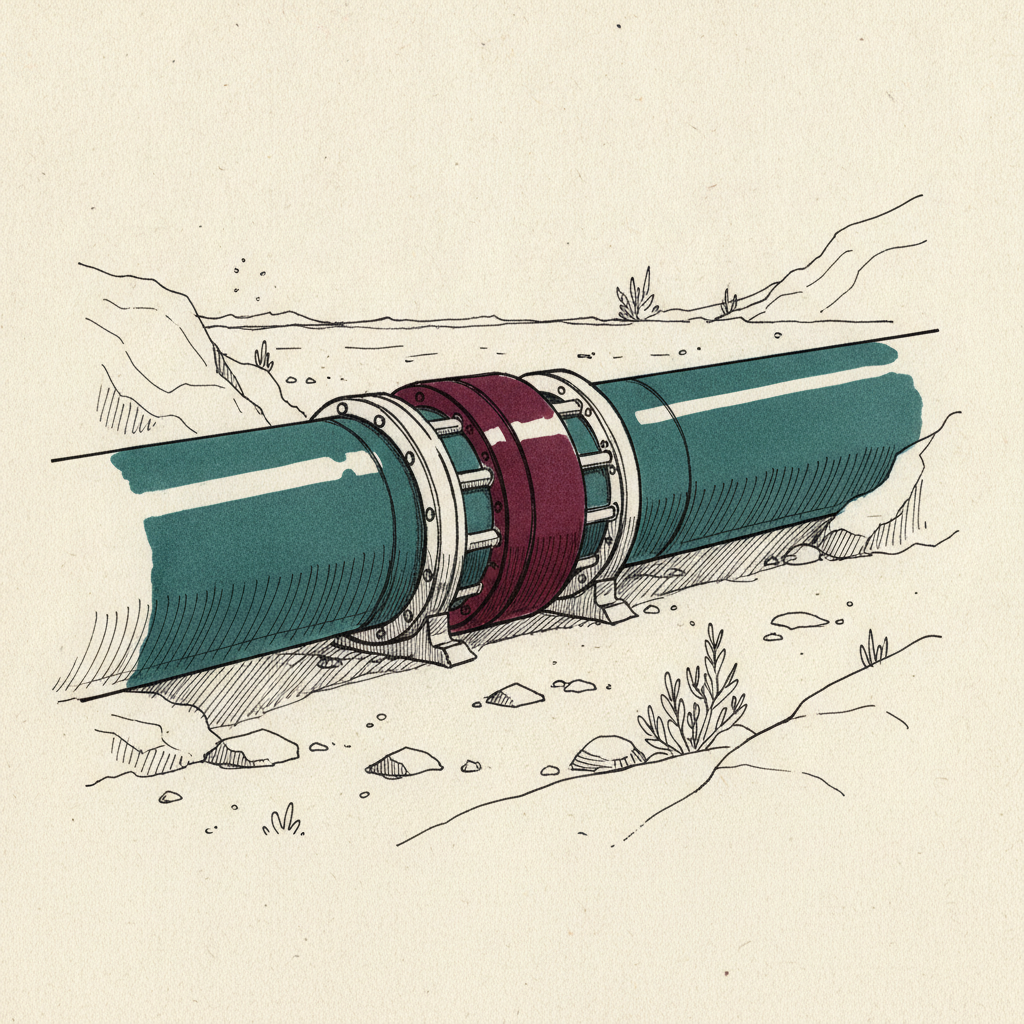
Gassco ranks Langeled as the world's longest underwater gas pipeline, 1,116 km from the Nyhamna processing plant near Kristiansund via the Sleipner field to the Easington terminal on the English east coast. The southern leg, a 44-inch line from Sleipner to Easington, started in 2006; the 42-inch northern leg from Nyhamna followed in 2007.
With St Fergus, Langeled is one of the routes by which about 400 GWh a day, a tenth of Norway's exports, now reaches Britain. The extra supply is likely to ease British wholesale prices, but with no NBP price to hand the size of that effect is unknown.
What is the Langeled pipeline?
How much gas did Langeled carry in November 2026?


Written with AI from Lowdown's published reporting. Not individually reviewed by an editor. Updated 20 November 2026. Editorial standards.