What will HERA's radiation data mean for future Mars missions?
Timeline for Hybrid Electronic Radiation Assessor
Radiation Data Gap Persists at Maximum Distance
Artemis II Moon MissionG3 Storm Passes With Zero Crew Dose Data Published
Artemis II Moon MissionG3 storm hits crew in deep space
Artemis II Moon MissionActivated during X-class solar flare on 31 March and G1 geomagnetic watch
Artemis II Moon Mission: Solar Flare Creates Radiation Risk During Moon Burn WindowBackground
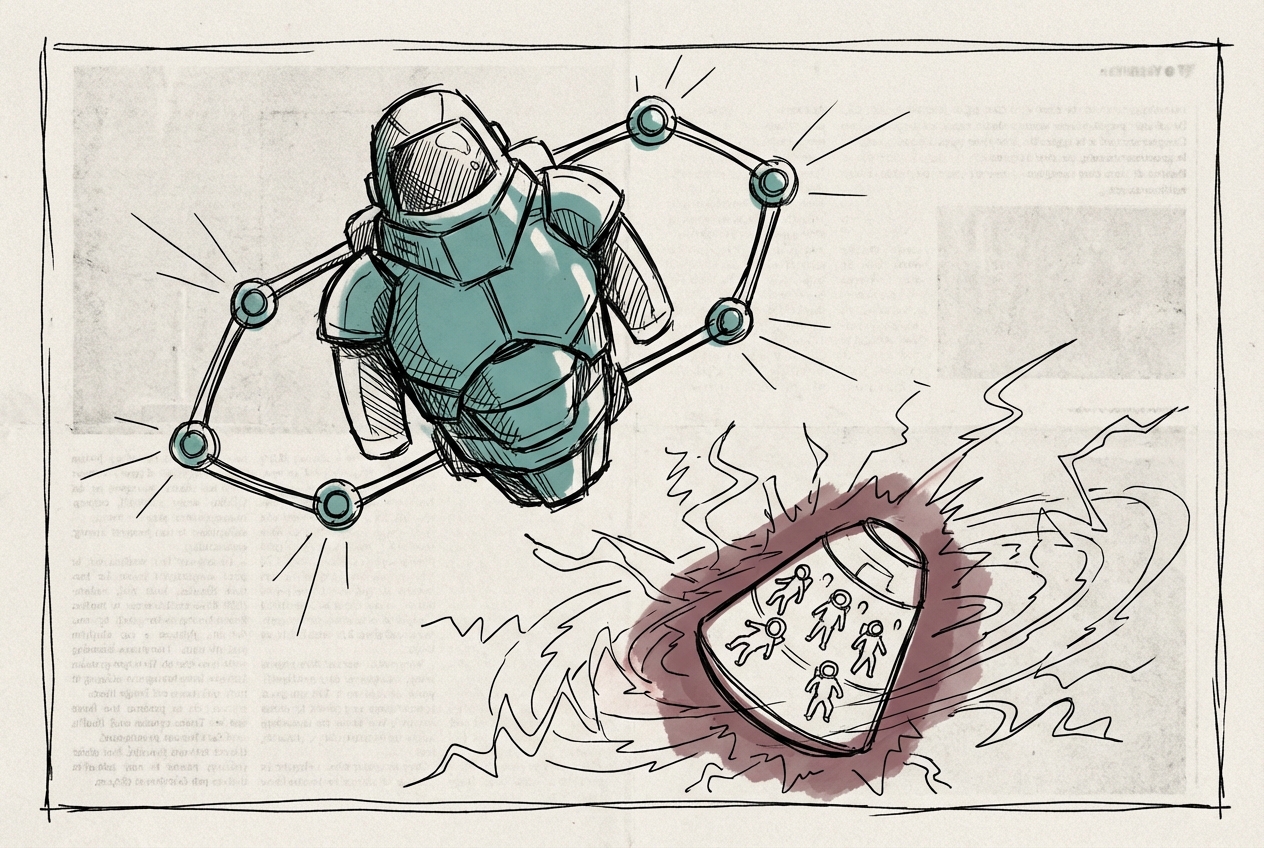
The Hybrid Electronic Radiation Assessor (HERA) is a suite of six radiation sensors distributed throughout Orion's cabin to measure the real-time and cumulative dose received by the Artemis II CREW. The mission baseline exposure target is approximately 5% of career radiation limit for each crew member.
HERA is particularly significant because Artemis II flies at solar maximum, when the flux of energetic particles is highest. The sensor data will constitute the first systematic crewed radiation dataset from beyond the magnetosphere in over 50 years, filling a critical gap in deep-space health risk modelling.
Data from HERA feeds directly into NASA flight surgeon assessments and SWPC solar weather correlation studies. It will inform radiation shielding requirements for future Artemis landings and eventually for crewed Mars missions where exposure durations are FAR longer.
What is HERA on Artemis II?
How much radiation do Artemis astronauts receive?
Why is Artemis II radiation data important?
