Fairfax County
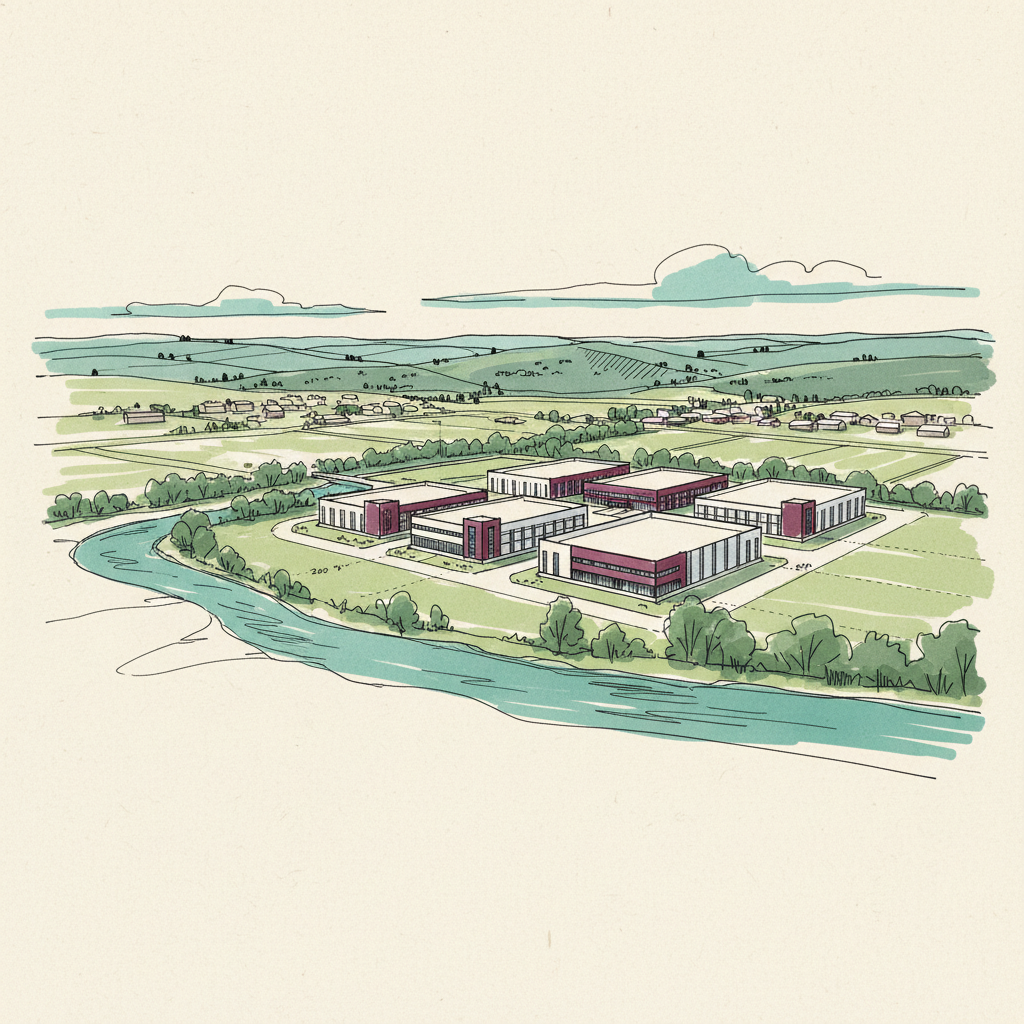
Virginia county; added 200-foot setbacks, design controls, and noise studies for new data centres in April 2026.
Last refreshed: 6 May 2026 · Appears in 1 active topic
Will Fairfax County's new setback rules slow the world's largest data-centre cluster?
Timeline for Fairfax County
Mentioned in: PJM faces Monday FERC tariff deadline
Data Centres: Boom and BacklashVoted 8-2 for new data-centre regulations to prevent Loudoun and Prince William-style disputes
Data Centres: Boom and Backlash: Fairfax pre-empts; Sabey pulls Seattle planMentioned in: Prince William ends Digital Gateway fight
Data Centres: Boom and BacklashAdded 200-foot setbacks, building-design controls, and noise studies for data-centre approvals
Data Centres: Boom and Backlash: Virginia courts and counties tighten the clusterBackground
Fairfax County tightened its data-centre approval requirements in late April/early May 2026, adding 200-foot setbacks from residential properties, building-design controls, and mandatory noise studies for new data-centre applications. The changes were adopted in the same week that Loudoun County stripped data centres of by-right zoning and the Virginia Court of Appeals upheld a ruling blocking Prince William County's fast-tracked rezoning — a concurrent three-county tightening that reshaped the Northern Virginia consent environment.
Fairfax County is the most populous jurisdiction in Virginia and the second-largest county in the United States by population, with roughly 1.2 million residents. It contains major data-centre corridors along the Dulles Technology Corridor and in areas served by Dominion Energy's Northern Virginia transmission infrastructure. Alongside Loudoun County, it forms the core of the Northern Virginia data-centre cluster, which collectively hosts over 5 GW of operational capacity — the world's largest concentration of data-centre power.
The new Fairfax requirements stop short of Loudoun's decision to eliminate by-right zoning, but the combination of setback, design, and noise requirements adds meaningful pre-application cost and lengthens planning timelines. Combined with Loudoun's Phase 2 Standards, the two counties effectively end the era of streamlined administrative approvals that drove the cluster's growth, without formally closing the pipeline.
What new data-centre rules did Fairfax County adopt in 2026?
How many data centres are in Fairfax County Virginia?
Where is Fairfax County Virginia and why does it matter for tech?
What are the new setback rules for data centres in Fairfax County?
